
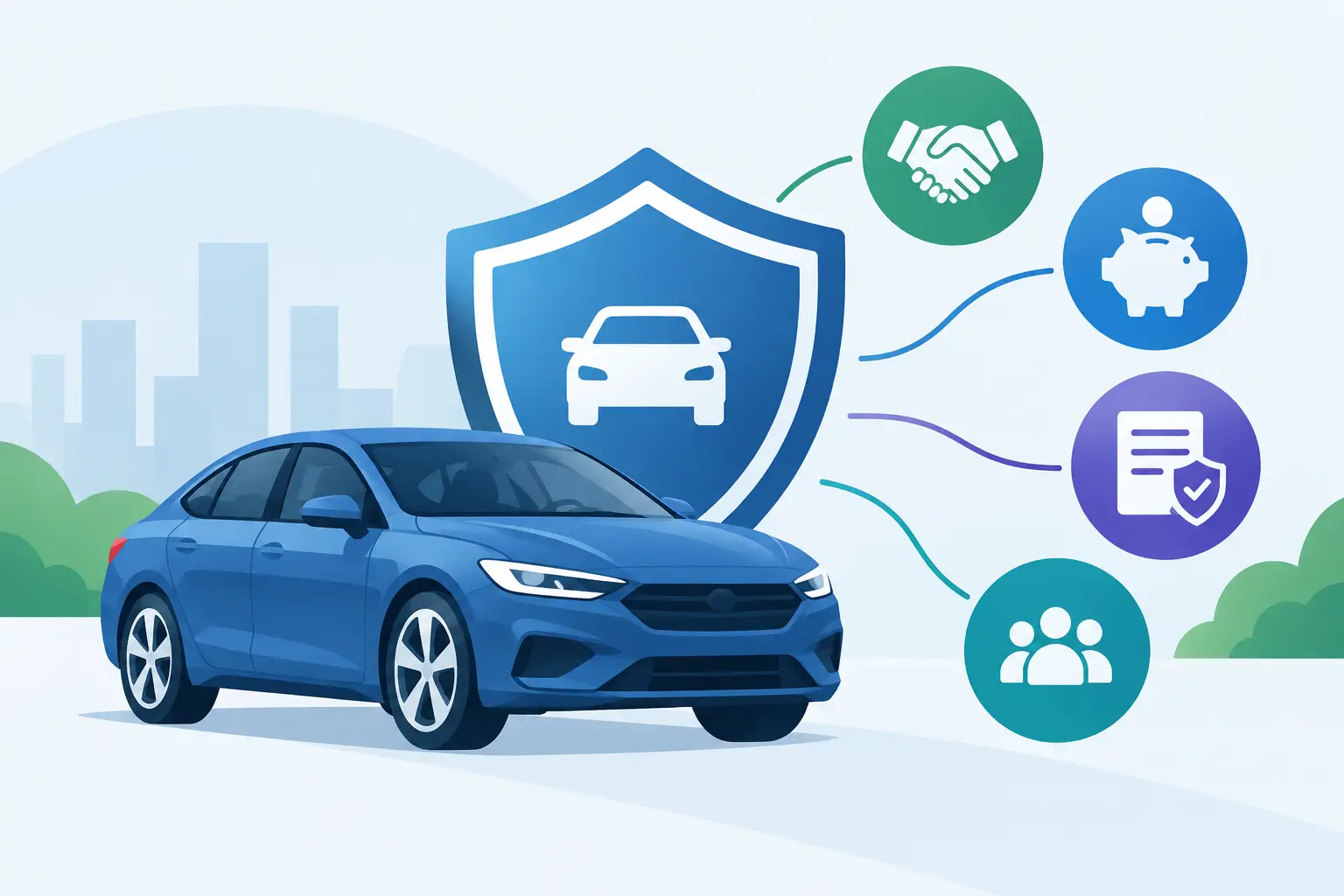
A borrower’s vehicle can be undrivable long before their monthly payment disappears. That gap is where credit insurance alternatives deserve a serious look from lenders, lessors, dealerships, and BHPH operators. The right product can give customers meaningful relief during a disruptive vehicle event while helping your business protect payment continuity, strengthen retention, and generate additional backend revenue.
Traditional insurance has a place in the automotive transaction. But it does not solve every financial problem created when a customer cannot use the vehicle they depend on for work, school, medical appointments, or family responsibilities. Finance and retail leaders need products that address the ownership disruption itself, not just the damage to the vehicle.
Why Credit Insurance Alternatives Matter in Auto Finance
Credit insurance is generally designed to help satisfy or cover debt under defined circumstances, such as death, disability, or involuntary unemployment. Its purpose can be valuable, but its triggers, structure, and customer perception may not align with the problems that arise after a collision, theft, mechanical failure, or other covered event leaves a vehicle unusable.
For an auto customer, the immediate concern is often practical: “How do I get to work tomorrow, and how do I keep up with my car payment while my vehicle is out of service?” For your organization, the concern is equally practical: “Will this disruption become a missed payment, a customer-service escalation, or a preventable loss of loyalty?”
Credit insurance alternatives can fill that space when they are designed around vehicle usability and payment interruption. Rather than treating every hardship as a broad credit event, these programs can provide targeted assistance when the customer’s transportation and financial routine are disrupted.
That distinction matters at the point of sale. It gives F&I teams and lender programs a more relatable customer conversation, while creating a clear value proposition tied to the vehicle the customer is purchasing or leasing.
The Business Case for a Payment-Focused Membership
A vehicle payment reimbursement membership is not insurance. It is a consumer membership product built to provide reimbursement benefits after qualifying events and according to program terms. For automotive businesses, that non-insurance structure can make it a compelling addition to an ancillary product lineup.
When a covered event leaves the vehicle unusable, the membership may reimburse a customer’s monthly vehicle payment. That is a direct response to one of the most stressful moments in vehicle ownership: paying for a vehicle that cannot currently be driven.
The value can extend beyond the payment itself. A well-designed program can also provide immediate travel or miscellaneous-expense support during the first year, as well as assistance toward a replacement vehicle after a total loss. Those benefits recognize what customers actually experience after a serious vehicle disruption: transportation costs, unexpected expenses, and the challenge of moving into another vehicle.
For dealers and finance partners, this is more than a customer-care message. It is a revenue and retention strategy. A meaningful membership can raise product penetration, add profit per retail installment contract or lease, and help customers maintain a more stable relationship with the organization that financed or sold the vehicle.
Where Traditional Products Leave Gaps
No single product should be positioned as the answer to every risk. GAP coverage addresses the potential difference between an insurance settlement and the remaining loan or lease balance after a total loss. Vehicle service contracts can help with covered repair costs. Auto insurance addresses accident-related losses and other covered claims. Credit insurance can address defined borrower life events.
Each has a distinct purpose. Yet customers may still face an immediate cash-flow problem when their vehicle is sidelined. A repair may take weeks. An insurance claim may be pending. A total-loss settlement may not arrive quickly enough to solve the customer’s transportation needs. Meanwhile, the monthly payment remains due.
This is the opening for payment-focused credit insurance alternatives. The product should not be framed as a replacement for auto insurance, GAP, or a service contract. It is a complementary layer of protection aimed at the customer’s payment obligation and near-term disruption.
That positioning is both more accurate and more effective. It helps sales teams explain the product without creating confusion about what is and is not covered.
What Decision-Makers Should Evaluate
The best alternative is not simply the product with the longest benefit list. It is the product your team can explain clearly, administer efficiently, and sell with confidence. Before adding a new membership or reimbursement program, evaluate whether it supports both the customer journey and your operational goals.
Start with the triggering event. Can your team clearly describe when benefits may be available? A product tied to a vehicle being unusable after a covered event gives customers a straightforward reason to consider protection. Clarity helps reduce buyer hesitation and supports compliant, consistent presentations.
Next, review the customer benefit design. Monthly payment reimbursement has immediate emotional and financial relevance. Supplemental travel and miscellaneous-expense assistance can help customers manage the first days after a disruption. Replacement-vehicle assistance after a total loss can encourage customers to return to the originating dealer rather than shop elsewhere.
Then examine the business impact. Does the program create a new revenue opportunity without requiring a difficult or highly technical presentation? Can it reinforce on-time payment behavior? Does it give the dealership a reason to reconnect with the customer after a loss event? Can it support service-center return traffic when a repairable vehicle comes back into operation?
Finally, confirm that the provider understands automotive retail and finance. Your partner should recognize the different needs of a franchise dealer, independent dealer, captive or independent lender, credit union, lease operator, and BHPH store. A program that works in a high-volume F&I office may need a different implementation approach for a lender call center or a BHPH collection environment.
Turning Protection Into a Better Customer Conversation
Customers do not buy ancillary products because they want more paperwork. They buy when the benefit feels connected to a real concern. In this case, the conversation is simple: if a covered event leaves the vehicle unusable, how will you manage the payment and immediate transportation-related costs?
That question is especially relevant for customers with limited savings, long commutes, hourly employment, or households that rely on one primary vehicle. It is also relevant for prime borrowers who prefer predictable financial protection over an unexpected interruption to their budget.
The strongest presentation does not rely on fear. It explains the practical value, identifies the limits of the benefit, and lets the customer make an informed choice. Sales teams should avoid implying that the membership replaces auto insurance or guarantees every payment will be covered. Clear disclosures and accurate program terms protect the customer, the dealer, and the lending relationship.
A payment reimbursement membership also gives your team a customer-first alternative to products that may feel abstract at delivery. Instead of discussing only what happens at the end of a loan after a total loss, the team can address the financial pressure that begins the moment a vehicle becomes unusable.
A Revenue Product That Supports Retention
The most valuable aftermarket products create value after the sale, not just at delivery. When customers receive support during a difficult event, they remember who provided it. That goodwill can influence where they service their next vehicle, refinance, lease again, or make their next purchase.
For a dealership, replacement-vehicle assistance can create a reason for a customer to return after a total loss. For a lender, payment reimbursement can help preserve a customer relationship when a temporary vehicle event could otherwise create delinquency pressure. For BHPH dealers, practical assistance can reinforce the customer connection while supporting a more stable payment experience.
CPR For Cars is designed around this model, combining monthly vehicle payment reimbursement after covered events with additional eligible travel, miscellaneous-expense, and replacement-vehicle benefits. The program gives automotive partners a differentiated membership they can monetize while delivering relief customers can understand.
The opportunity is not to add another product for the sake of a higher menu total. It is to offer a benefit that makes the financing or leasing relationship more resilient when vehicle ownership becomes difficult.
As you evaluate your next ancillary offering, ask a direct question: will this product still matter to the customer after they leave the lot? A payment-focused membership can turn a disruptive vehicle event into a moment when your organization proves it protects customers and the bottom line.










Leave A Comment