
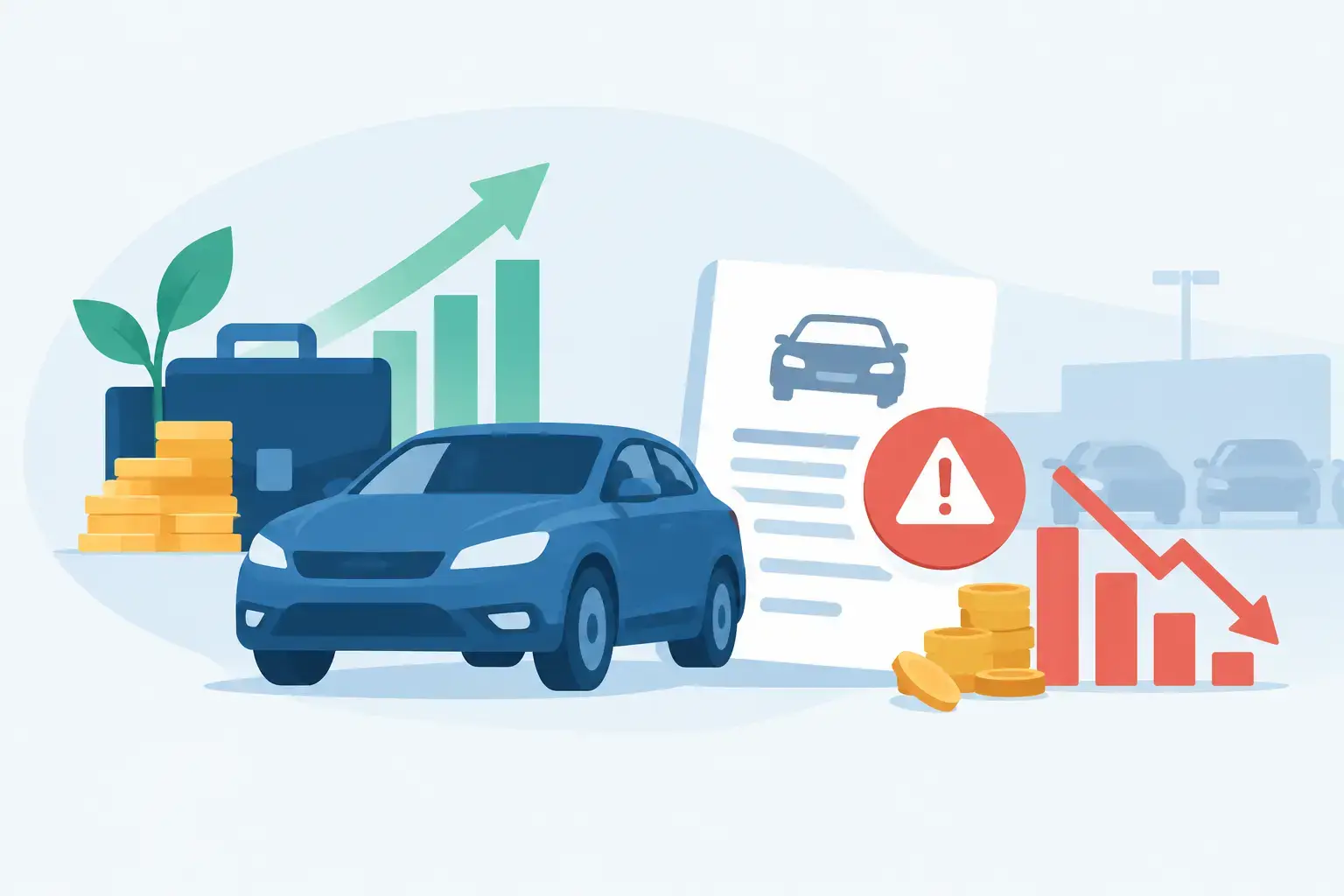
A borrower can make every payment on time, then lose the use of the vehicle after an accident, mechanical failure, or other covered disruption. The payment still comes due. For lenders, lessors, and dealers, that gap is where auto delinquencies can begin – not necessarily because the customer refuses to pay, but because a necessary transportation expense has suddenly become a financial burden.
That distinction matters. A delinquent account affects collections activity, portfolio performance, customer goodwill, and future business. It also creates a preventable stress point in the ownership experience. The right protection strategy helps customers stay current when their vehicle is out of service while giving automotive partners another way to protect revenue and strengthen retention.
Auto Delinquencies Are a Payment Continuity Problem
An auto loan or lease payment is fixed, but a customer’s circumstances are not. When a vehicle becomes unusable, the customer may face towing, rental transportation, rideshare costs, repairs, deductibles, or the search for a replacement vehicle. Even households with solid payment histories can be forced to choose between the vehicle payment and an immediate expense that cannot wait.
From the customer’s perspective, the vehicle problem may feel temporary. From a lender’s perspective, one missed payment can trigger a chain of operational work: outbound contact, late-fee discussions, payment extensions, collections resources, reporting concerns, and a greater chance the account becomes more seriously delinquent. For a dealer or BHPH operation, the impact can be even more direct because payment disruption may affect cash flow and a relationship that depends on repeat service and future sales.
The goal is not to assume every disruption will create a delinquency. It is to recognize that a vehicle event can weaken a customer’s ability to maintain payment continuity at exactly the wrong time.
Why the risk is easy to underestimate
Payment history alone does not reveal the full risk. A customer may have stable income and still lack extra cash after an accident or a major repair. The issue is often short-term liquidity. A payment due during the same month as unexpected transportation costs can turn a reliable account into a troubled one.
This is also why a standard payment reminder is not a complete response. The borrower may understand the obligation perfectly well. What they need is practical relief that helps preserve their ability to meet it.
The Business Cost Goes Beyond One Late Payment
Auto delinquencies are often measured as a portfolio metric, but the commercial impact reaches further than the aging report. Increased delinquency can create higher servicing costs, more difficult collection conversations, and a weaker customer experience. If the account ultimately defaults, the loss can include repossession expense, vehicle disposition risk, and damage to the customer relationship.
Dealers have additional exposure. A buyer who feels unsupported after a disruptive vehicle event may not return for service, may not consider the dealership for the next purchase, and may share a negative ownership experience with others. F&I teams also lose an opportunity when their product menu does not address one of the customer’s most immediate financial concerns: making the payment when the vehicle cannot be used.
For finance sources and leasing companies, the trade-off is clear. Extending accommodations may provide short-term assistance, but it can add administrative work and does not necessarily solve the customer’s cash shortage. A payment-continuity membership can complement existing hardship processes by addressing the expense before it becomes an account-management issue.
Build Support Into the Deal, Not the Collections Call
The best time to address a future payment disruption is at the point of sale or lease signing, when the customer is considering how they will protect their transportation investment. This is where an ancillary membership can create value for both sides of the transaction.
A properly positioned program should be simple for the customer to understand. If a covered event leaves the vehicle unusable, the membership may reimburse the monthly vehicle payment subject to program terms. That type of support can reduce the pressure that leads to missed or delayed payments. It also gives the customer a clear path forward when an event interrupts normal vehicle use.
For the selling partner, the program should do more than fill a menu line. It should be a monetizable offering with a clear customer benefit, a logical connection to payment performance, and a reason for the customer to stay engaged with the dealership or finance partner.
CPR For Cars is designed around that practical need. As a non-insurance vehicle payment reimbursement membership, it can reimburse a customer’s monthly car payment when a covered event leaves the vehicle unusable. The program also provides up to $500 for immediate travel and miscellaneous expenses in the first year, along with up to $1,000 toward a replacement vehicle after a total loss based on the customer’s down payment with the original dealer. Terms and eligibility apply, but the business purpose is straightforward: help customers manage disruption before it becomes payment trouble.
A better conversation for F&I teams
The strongest presentation is not fear-based. It is based on a familiar reality: a vehicle problem can create expenses before a customer has had time to adjust. The F&I professional can explain that the membership is intended to help protect the customer’s ability to make the monthly payment if a covered event takes the vehicle out of use.
That approach keeps the conversation focused on ownership stability rather than abstract product features. It also helps sales teams explain why the membership is relevant whether the customer is financing a new vehicle, buying used, leasing, or purchasing through a BHPH program.
Training should reinforce accurate language. Team members should not describe a membership as insurance or promise outcomes outside program terms. They should explain covered-event requirements, reimbursement limits, claim procedures, and any applicable conditions clearly. A confident presentation is specific, not overstated.
Where Auto Delinquencies Create the Most Pressure
Every portfolio has different risk patterns. Prime lending, subprime lending, leasing, and BHPH operations will not experience payment disruption in exactly the same way. Still, several scenarios consistently place pressure on payment behavior.
An accident can leave a customer without transportation while insurance claims, repairs, and deductibles are being addressed. A major mechanical problem can be especially difficult for customers whose vehicle is essential for work, caregiving, or daily travel. A total loss can create a fast-moving financial transition, particularly when the customer needs another vehicle before all related obligations are resolved.
In each case, the lender’s payment due date does not move simply because the customer’s transportation situation has changed. That is the central operational challenge. A product that helps with a covered payment and immediate incidental expenses can reduce the financial collision between vehicle downtime and the payment calendar.
What Partners Should Measure
A protection program should be evaluated as both a customer-care tool and a business initiative. Partners should track attachment rate, product revenue per retail unit, reimbursement activity, customer feedback, service-center return behavior, and payment performance among enrolled customers where reporting and privacy practices permit.
Do not expect one product to eliminate delinquency. Economic stress, job loss, underwriting quality, insurance gaps, and customer behavior all influence portfolio outcomes. The value is in reducing a specific and common trigger: the sudden cost of being without the vehicle while the monthly obligation remains active.
For dealers, it is also worth measuring whether the program helps create more productive ownership relationships. A customer who receives meaningful support during a difficult event has a stronger reason to return to the originating dealer for service, replacement-vehicle needs, and future purchases. That goodwill can have real commercial value.
Put Payment Protection to Work Before the Next Disruption
The automotive businesses that perform best over time do not wait for a customer to become a collection file before offering meaningful support. They create a better ownership experience from the start, pairing vehicle financing or leasing with practical tools that help customers stay mobile, stay current, and stay connected to the business that earned their trust.
For lenders, lessors, dealerships, and BHPH operators, the opportunity is to protect customers and the bottom line in the same transaction. Make payment continuity part of the value proposition, equip your team to explain it clearly, and give customers a reason to remember who helped when their vehicle was out of service.


Leave A Comment