
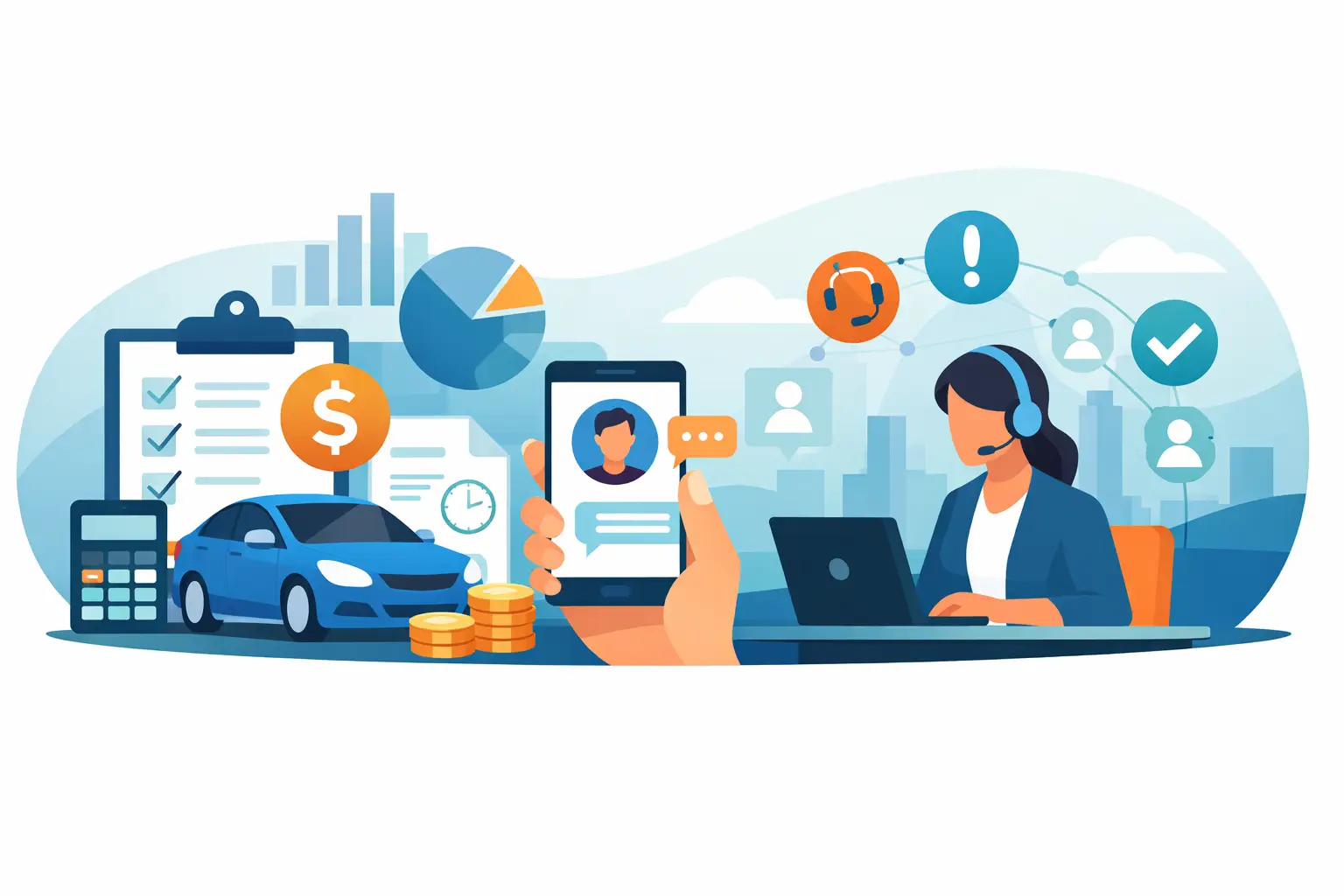
A BHPH account rarely becomes a collections problem because a customer simply forgot the due date. More often, a repair, accident, job interruption, or transportation disruption changes the customer’s ability to keep working and making payments. The best BHPH collections support products address that reality from several angles: they help dealers communicate earlier, collect more consistently, document every contact, and give customers a credible path back to payment.
For a buy-here-pay-here operation, collections support should not be viewed as a single tool or a late-stage recovery tactic. It is part of portfolio performance. The right product mix protects cash flow, supports compliant operations, reduces avoidable repossessions, and gives customers a reason to stay engaged with the dealership instead of disappearing when pressure rises.
What BHPH Collections Support Must Accomplish
The strongest support products do more than send a text reminder. They create a disciplined payment environment before delinquency becomes expensive. That means helping staff identify risk early, making it easy for customers to pay, preserving clean records, and offering meaningful support when a covered vehicle event creates a temporary financial shock.
A product that looks impressive in a demonstration but adds friction to the collector’s day will not improve collections. Neither will a customer benefit that is too complicated for the sales team to explain or too narrow to matter when the customer is under real pressure. Dealers should look for products that fit naturally into their sales, servicing, and collections workflows.
The right combination depends on portfolio size, state requirements, staffing, payment frequency, and customer profile. Still, several product categories consistently deliver value for BHPH dealers.
Best BHPH Collections Support Products to Consider
Payment reminder and two-way messaging platforms
Automated payment reminders are often the first line of defense against preventable delinquency. A capable platform can send payment due notices, confirmation messages, late-payment alerts, and customized follow-up communications by text and email. Two-way texting is especially valuable because customers are more likely to reply to a message than answer an unfamiliar call.
The key is to use messaging as a conversation channel, not a pressure machine. A customer who replies that they will pay Friday should be tagged for a Friday follow-up, not pushed into the same generic sequence every day. Look for consent management, message history, configurable timing, and account-level notes. Those details protect your team and make every contact more productive.
Digital payment and self-service tools
Convenience is a collections strategy. Customers who can pay by text link, online portal, saved card, ACH, or recurring payment arrangement have fewer excuses and fewer barriers. A self-service option also allows a customer to make a payment outside business hours, which matters for buyers with hourly jobs, shift work, or unpredictable schedules.
The best systems make the next action obvious. If a customer receives a reminder, the payment option should be immediately available. If they cannot pay in full, the system should allow staff to discuss an approved arrangement without forcing the customer through multiple calls or office visits.
Dealers should evaluate transaction costs carefully. A payment tool that raises collection rates may justify a higher per-transaction fee, while a low-cost option with poor adoption may not. The winning calculation is net cash collected, not just processing expense.
Collections CRM and account workflow software
A collections CRM gives managers visibility into whether staff are working accounts with consistency. It organizes call logs, text histories, promises to pay, payment arrangements, notes, tasks, follow-up dates, and escalation steps. Without this structure, collection activity can become dependent on individual memory and spreadsheets, creating gaps when employees are busy or turnover occurs.
For BHPH dealers, workflow controls are as important as dashboards. The system should prioritize accounts by delinquency stage, broken promise to pay, contact outcome, or risk flag. It should also make it easy for a manager to review activity and coach collectors before accounts reach the point where a repossession is being considered.
Choose a platform that connects cleanly with your dealer management system or loan servicing system. Manual exports and duplicate data entry create mistakes, and mistakes create compliance exposure.
GPS, starter-interrupt, and collateral protection tools
Collateral management products can help dealers locate vehicles and encourage customer contact when an account is seriously past due. GPS and starter-interrupt technology may be appropriate components of a BHPH risk-management program when disclosed properly and used in accordance with applicable law and company policy.
These tools are not substitutes for a customer-first collections process. Used too early or too aggressively, they can damage goodwill and cause customers to stop communicating. Used within a clear escalation policy, they can give the dealership accurate information, reduce recovery costs, and support better decisions about whether an account can be cured.
The operational question is not simply whether the tool works. It is whether your staff has written procedures for notices, overrides, dispute handling, data security, and documented authorization. If not, the product can create more exposure than value.
Payment continuity memberships
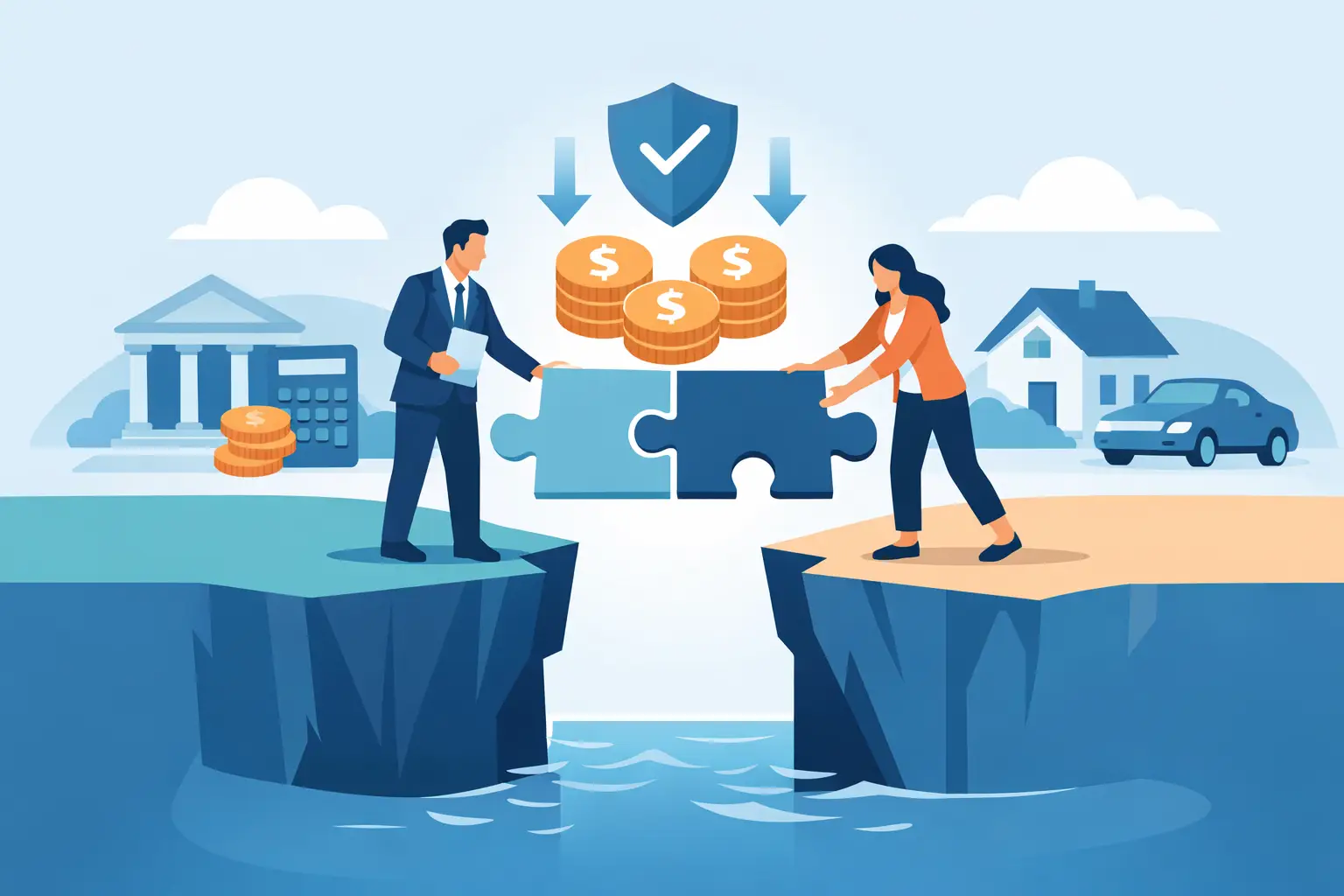
A customer’s vehicle can be essential to their income, family obligations, and ability to pay the dealership. When that vehicle is disabled by a covered event, the customer may face repair-related disruption, transportation costs, and a monthly payment that still comes due. A payment continuity membership addresses the moment when ordinary reminder tools are least likely to solve the problem.
This category deserves attention because it supports both the customer and the receivable. Rather than treating every missed payment as a willingness-to-pay issue, it recognizes that some customers face a short-term event that interrupts their transportation and their cash flow at the same time.
CPR For Cars is designed for this purpose. It is a non-insurance membership program that can reimburse a customer’s monthly car payment when a covered event leaves the vehicle unusable. It also provides eligible members with up to $500 for immediate travel and miscellaneous expenses in the first year, plus up to $1,000 toward a replacement vehicle after a total loss based on the customer’s down payment with the original dealer.
For a BHPH dealer, this creates more than a customer-care story. It is a monetizable aftermarket offering that can help preserve payment continuity, reinforce loyalty, and keep customers connected to the dealership during a disruptive event. It can also encourage return service-center traffic rather than sending the customer elsewhere when help is needed most.
How to Build a Product Stack That Actually Performs
The best BHPH collections support products work together. Start with payment convenience and proactive communication, then add structured account workflows so your staff follows up consistently. Use collateral tools as controlled, documented escalation measures. Add payment continuity protection to help customers navigate the vehicle events most likely to disrupt their ability to pay.
Do not buy every product category just because it is available. A smaller dealership may need a reliable payment portal, compliant texting, and a well-defined CRM process before adding advanced automation. A larger operation with multiple locations may benefit from deeper integrations, segmented campaigns, and manager-level reporting.
Before implementation, establish a few practical performance measures: on-time payment rate, 7-day and 30-day delinquency, kept promises to pay, digital payment adoption, repossession rate, and net recovery after collection costs. Review the numbers by cohort, location, collector, and product adoption where possible. That is how you determine whether a new tool is creating real portfolio improvement or simply generating activity.
Protect Compliance While Improving Recovery
Collections products must support a disciplined compliance culture. Texting, calling, payment processing, GPS use, data storage, and payment arrangements all involve legal and operational responsibilities. Your policies should define who may contact customers, when they may contact them, how consent is recorded, what language is approved, and how complaints or disputes are escalated.
Training matters just as much as software. A collector who understands how to identify hardship, document a conversation, and present a practical next step will outperform a collector who relies on scripts and repeated demands. Customers do not need vague promises. They need a clear payment option, a manageable timeline, or support tied to the reason their transportation and income were interrupted.
The strongest BHPH collections strategy is built before the account is late. Give customers easy ways to pay, give your team a clear workflow, and offer meaningful protection for the events that can derail payment behavior. That approach safeguards your receivables while showing customers that your dealership intends to keep them moving forward.






Leave A Comment