
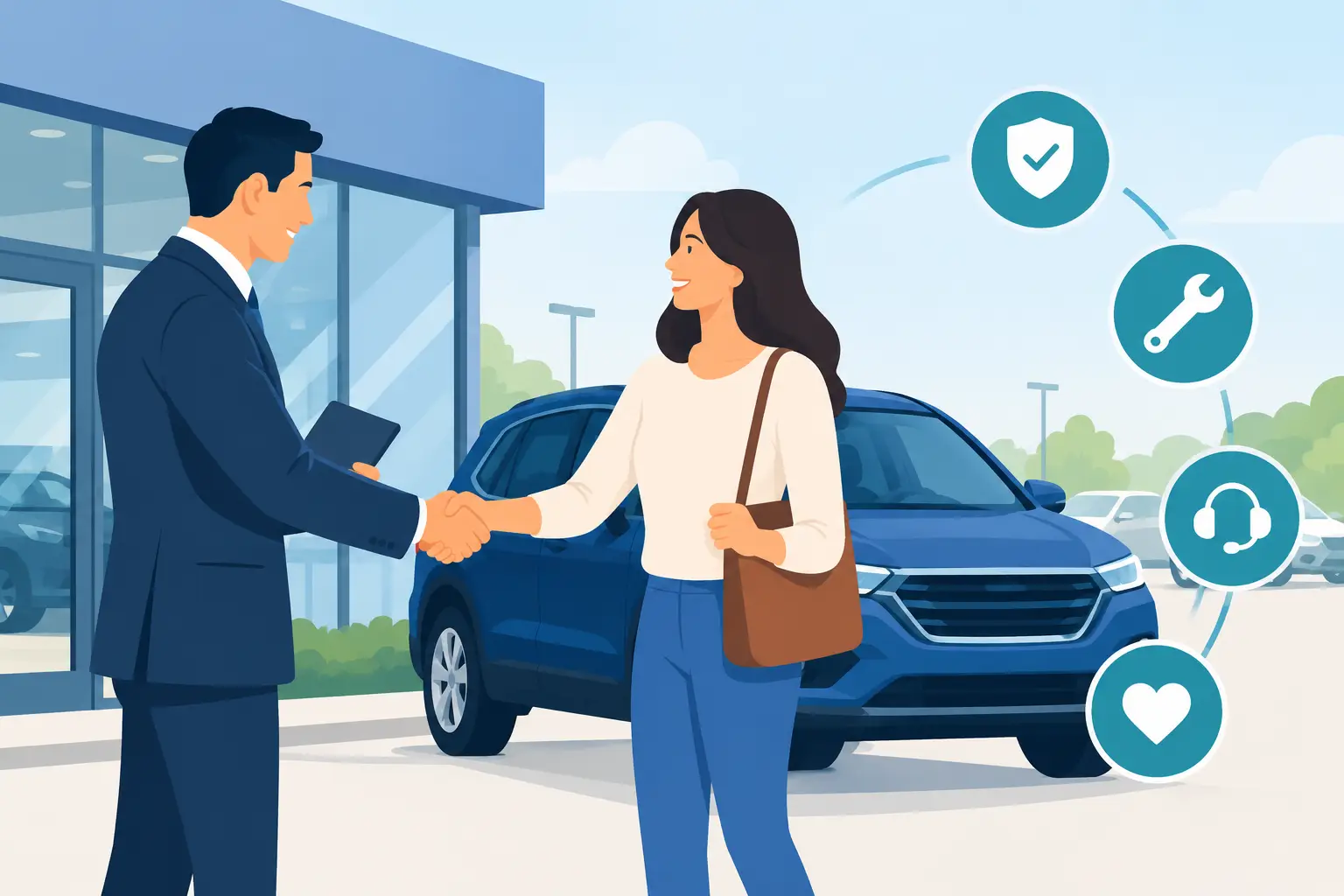
A customer can love the vehicle, trust the salesperson, and still disappear after one expensive, disruptive event. A collision, theft, or covered loss can turn a normal ownership experience into a financial strain almost overnight. Dealer retention is built in those moments, when customers remember whether the dealership delivered more than a set of keys and a payment schedule.
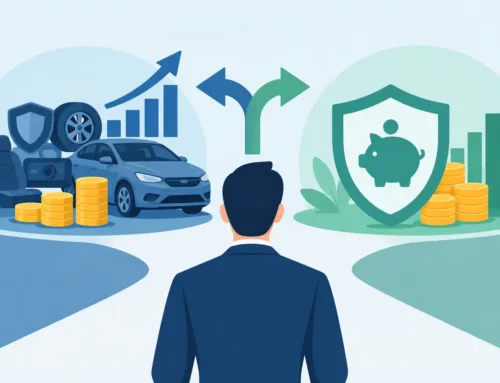
For dealerships, lenders, lessors, and BHPH operators, the goal is not simply to close another deal. It is to protect the relationship behind that deal. That means helping customers stay financially stable, giving them a reason to return to the dealership, and creating a better experience when the unexpected interrupts vehicle use.
Why Dealer Retention Is a Profit Issue
Retention is often treated as a marketing metric: more repeat buyers, stronger reviews, and a healthier referral pipeline. Those outcomes matter, but they are only part of the equation. A retained customer can also mean more service revenue, more F&I opportunities, more trade-in potential, and a more durable relationship with the lender or leasing partner connected to the original transaction.
The problem is that traditional dealership follow-up tends to fade after delivery. Customers receive a thank-you message, perhaps a service reminder, then life takes over. When their vehicle is suddenly unusable, they may deal with towing, alternate transportation, repair delays, insurance deductibles, and a monthly payment that does not pause just because the vehicle is off the road.
That gap creates risk for everyone. The customer feels abandoned. The dealer loses goodwill and future business. The finance source faces a borrower under pressure. For BHPH operations, payment disruption can create an even more immediate portfolio concern.
A retention strategy has to account for the ownership experience, not just the sales experience.
The Moment That Defines Customer Loyalty
Customers rarely judge a dealership only by the purchase process. They judge it by what happens when owning the vehicle becomes difficult. If the vehicle is unavailable after a covered event, a customer may have to keep making payments while finding transportation to work, school, appointments, and family obligations.
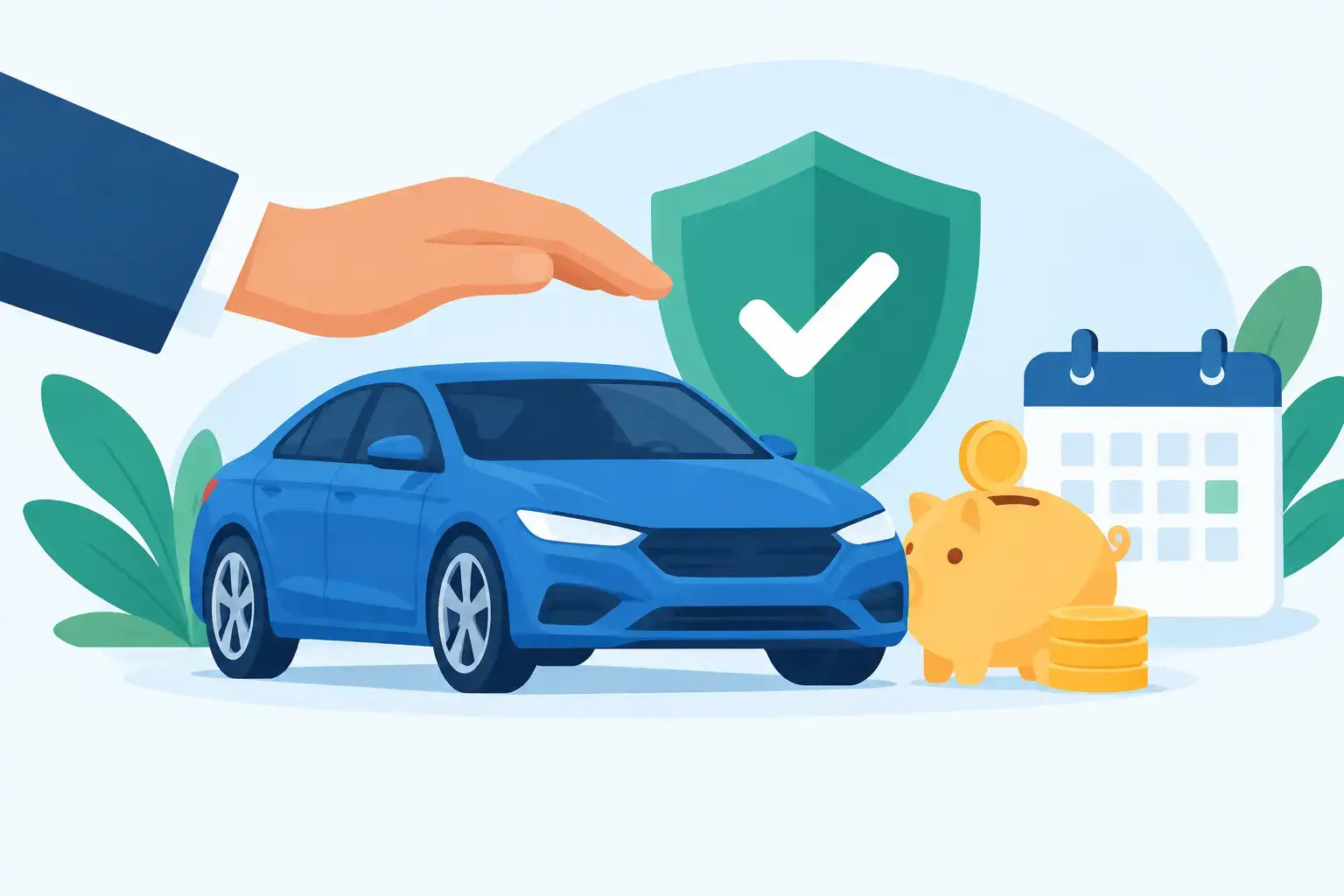
That is where a payment reimbursement membership can add practical value. CPR For Cars is a non-insurance membership program designed to reimburse a member’s monthly vehicle payment when a covered event leaves the vehicle unusable. It can also provide up to $500 for immediate travel and miscellaneous expenses during the first year, along with up to $1,000 toward a replacement vehicle after a total loss, based on the customer’s down payment with the original dealer.
The value is straightforward: the customer receives support during a disruptive event, while the dealership has a reason to remain relevant when the customer needs help most. This is not a promise that every hardship disappears. Coverage terms, eligibility, and the nature of the event matter. But when the membership applies, payment relief can make a meaningful difference in a customer’s ability to manage the situation.
Build Dealer Retention Into the F&I Conversation
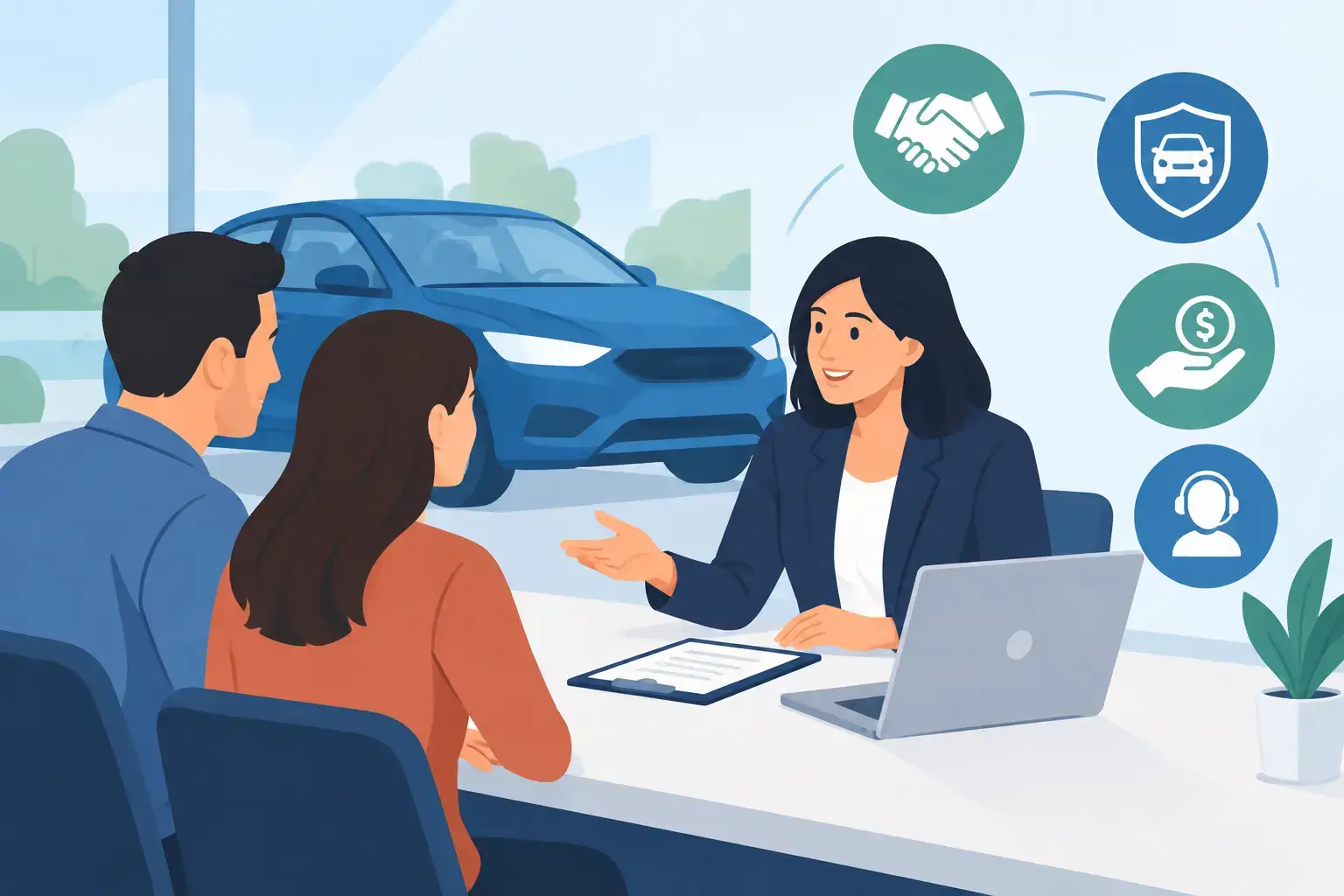
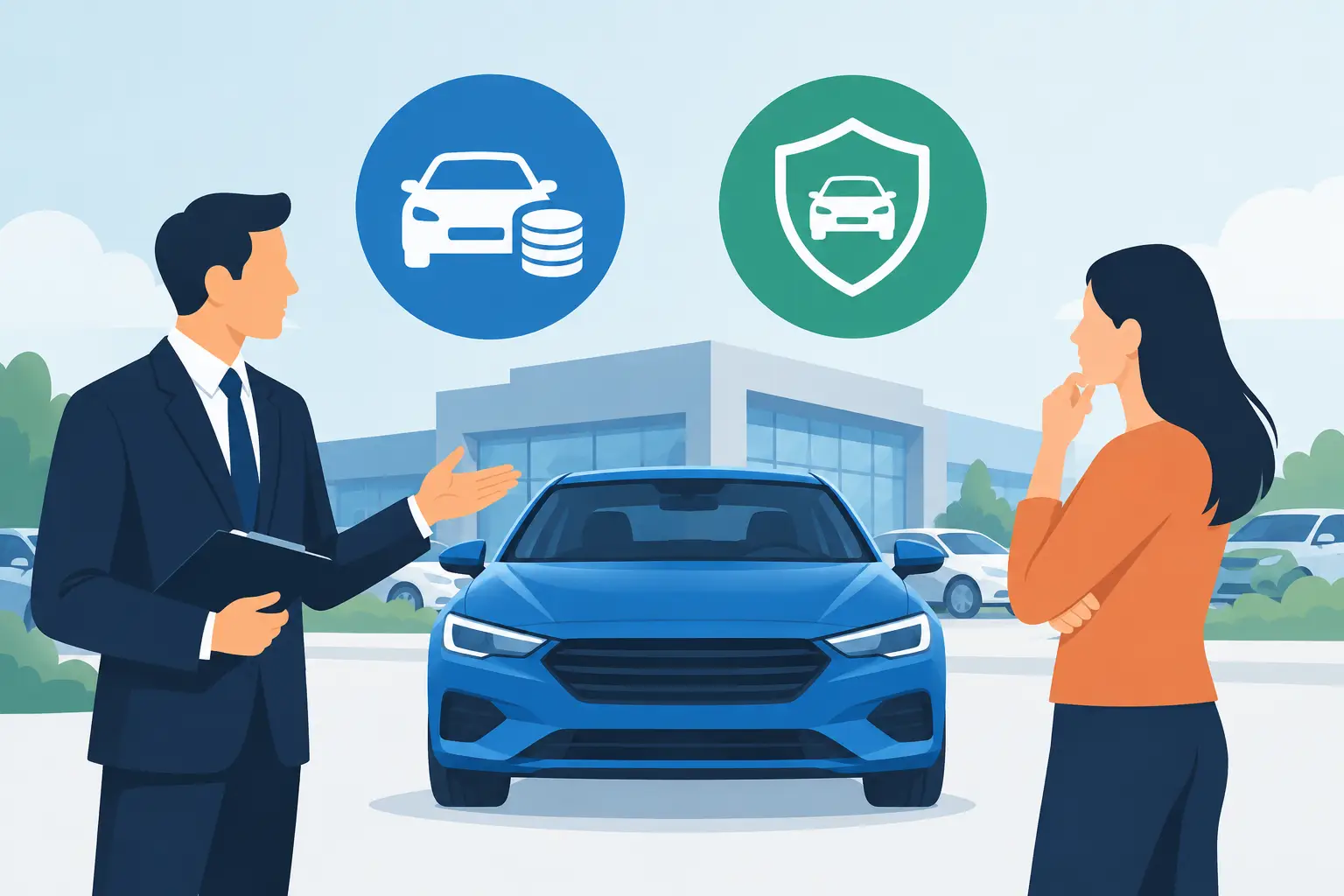
A strong retention product cannot be presented as an afterthought. If the customer does not understand what they are purchasing or when it may help, the benefit loses much of its power. F&I managers and sales teams should position payment reimbursement in plain language: a vehicle problem can disrupt more than transportation, and this membership is designed to help protect the monthly payment and certain immediate expenses when a covered event occurs.
The presentation should stay focused on outcomes, not complicated product language. Explain the real-life scenario. A customer has a covered event, cannot use the vehicle, and still has financial obligations. The membership may help reimburse the monthly payment and provide support for immediate travel and miscellaneous costs. After a total loss, it may also help the customer return to the original dealer for a replacement vehicle.
That final point is particularly valuable. Retention is not passive. A replacement-vehicle benefit tied to the original dealer can give customers a practical reason to reconnect with the dealership rather than starting their next purchase elsewhere.
Training matters here. Teams should know the program limits, covered-event requirements, claim process, and required disclosures. Clear communication protects the customer and protects the dealership’s reputation. Overselling creates disappointment. Accurate, benefit-led selling creates trust.
Turn Disruption Into a Reason to Return
Service departments are central to a dealership’s retention strategy. Customers who return for maintenance and repairs are more likely to consider that dealership when it is time to trade, lease again, or replace a vehicle. Yet an event that makes a vehicle unusable can send customers outside the dealer network if they are focused only on solving the immediate problem.
A payment reimbursement membership gives the dealership a reason to stay in contact and provide direction. The dealership is not merely checking in after an unfortunate event. It can remind the customer that a membership benefit may be available, guide them toward the appropriate process, and reinforce the relationship built at the time of sale.
There is a trade-off. Not every event will lead directly to a service visit, and not every customer will need a replacement vehicle. Dealers should not treat the membership as a guaranteed service-lane conversion tool. Its stronger value is customer goodwill. When a customer feels supported during a hard situation, return business becomes more likely over time.
Protect Payment Continuity and Portfolio Performance
For lenders, leasing companies, banks, credit unions, and BHPH dealers, customer disruption can become payment disruption. A borrower who is managing a damaged or unusable vehicle may face costs that compete with the monthly auto payment. Even a customer with good payment history can feel squeezed when transportation, repairs, deductibles, and daily living expenses collide.
A program that may reimburse the monthly vehicle payment after a covered event gives finance partners a customer-care tool with portfolio relevance. It does not replace sound underwriting, servicing, collections practices, or insurance. It can, however, help reduce pressure at a moment when payment behavior is vulnerable.
For BHPH dealers, this can be especially relevant. These operators carry more direct exposure to customer payment performance and often work with buyers who have limited financial flexibility. Offering a differentiated membership at the point of sale can strengthen the customer’s perception that the dealership is invested in keeping them on the road and in good standing.
The commercial case is equally clear. An ancillary product should earn its place in the menu by delivering value to both sides of the transaction. A payment reimbursement membership can create additional backend revenue while providing a customer-facing benefit that is easy to explain and connected to a real ownership concern.
Measure the Retention Impact That Matters
Dealer retention should not be measured by a single number. Repeat purchases are important, but they can take years to materialize. Dealership groups and program administrators should monitor leading indicators that show whether a protection product is improving the ownership relationship.
Track membership penetration by store, producer, finance source, and customer segment. Review claim activity and customer questions to identify whether the program is being presented clearly. Compare service return rates, replacement-vehicle leads, repeat purchase opportunities, and customer satisfaction patterns among members and non-members where appropriate.
It also helps to listen to the stories behind the data. Did a member return to the original dealership after a total loss? Did payment reimbursement help a customer avoid a difficult financial choice? Did a service advisor or F&I manager turn a stressful call into a lasting relationship? Those moments explain the business value better than a spreadsheet alone.
Make the Ownership Experience Part of the Sale
The most effective dealerships do not wait for a customer to become dissatisfied before trying to win them back. They create reasons for customers to stay connected from day one. That includes quality vehicles, dependable service, transparent financing, and products that recognize the financial reality of vehicle ownership.
CPR For Cars gives automotive partners a differentiated way to protect customers and their bottom line. It supports a conversation that customers understand: if a covered event takes your vehicle out of use, your dealership offered a membership designed to help with the payment and certain immediate costs.
That is the kind of protection customers remember. When the next repair, replacement, trade-in, or vehicle purchase arrives, remembered support can be the reason they come back to the dealer that planned for more than the sale.


Leave A Comment