
A lessee whose vehicle is sitting disabled at a repair facility is not thinking about a lease payment strategy. They are thinking about transportation, work, family obligations, and an unexpected bill. That gap is where payment performance can break down. How lease operators reduce delinquency often comes down to recognizing these disruption points early and giving customers a practical path to stay current.
For leasing companies, delinquency is not only a collections issue. It affects servicing expense, residual performance, customer retention, remarketing outcomes, and the overall profitability of the portfolio. The strongest programs protect the lease payment before a temporary vehicle problem turns into a missed payment, then a difficult customer conversation.
How Lease Operators Reduce Delinquency Before It Starts
A lower delinquency rate starts at origination, but not by simply tightening approval standards. Overly restrictive credit policies may reduce near-term exposure while turning away viable customers and limiting lease volume. The better approach is to pair sound underwriting with a customer experience built to withstand common financial disruptions.
Customers need to understand their payment date, accepted payment methods, late-fee policy, end-of-lease responsibilities, and the appropriate contact channel before there is a problem. Clear expectations reduce avoidable confusion. Digital welcome communications, recurring payment enrollment, and self-service account tools can make it easier for customers to manage their obligations without waiting for a representative.
Still, process alone cannot solve the larger issue: a customer may intend to pay but lose the ability to do so when the vehicle becomes unusable. A major repair, accident, or total loss can create a double burden. The customer may face replacement transportation costs while the lease payment continues. For a household with limited cash reserves, that is a direct payment-continuity risk.
Lease operators that account for this reality protect both the customer relationship and the receivable.
Identify the Events That Create Payment Risk
Not all late payments have the same cause. Treating every delinquency as a generic collections problem leads to generic solutions. Portfolio teams should identify the events that tend to occur shortly before a missed payment: vehicle repairs, accidents, insurance delays, job interruptions, changes in bank accounts, and breakdowns in customer communication.
Repair-related hardship deserves special attention because it is visible and actionable. When a customer brings a leased vehicle to a dealer service center or reports that it cannot be driven, the leasing company may have an opportunity to intervene before the account falls behind. Service data, roadside-assistance interactions, claims notifications, and inbound customer calls can all serve as early warning signals.
This requires coordination. A service department may know the vehicle is down, while the billing team does not. A customer-care representative may hear about transportation trouble, while collections sees only an account approaching its due date. Operators that connect these signals can prioritize outreach based on actual hardship rather than waiting for a payment to become past due.
The goal is not to assume every repair will produce delinquency. Many customers will continue paying without assistance. The goal is to identify customers who face a genuine interruption and offer the right support early enough to matter.
Make Early Outreach Useful, Not Just Urgent
A reminder email on the due date has value, but it is not a hardship strategy. Effective outreach is specific, respectful, and designed to produce a response. If the operator knows a customer’s vehicle is out of service, the conversation should acknowledge the situation and explain available payment options or support programs in plain language.
Timing matters. Outreach before the account is delinquent is generally more productive than outreach after late fees, negative credit concerns, and frustration have already entered the conversation. Customers are more likely to engage when they believe the operator is helping them preserve their standing rather than simply escalating a collection effort.
This does not mean waiving policies broadly or making exceptions without controls. Lease operators need documented workflows, authorized options, and clear eligibility criteria. Depending on the portfolio and applicable requirements, options may include a scheduled payment arrangement, a due-date adjustment, an approved extension, or referral to a payment-protection benefit. Consistency protects the business while giving frontline teams the confidence to act quickly.
Add Payment Continuity Protection to the Lease Experience
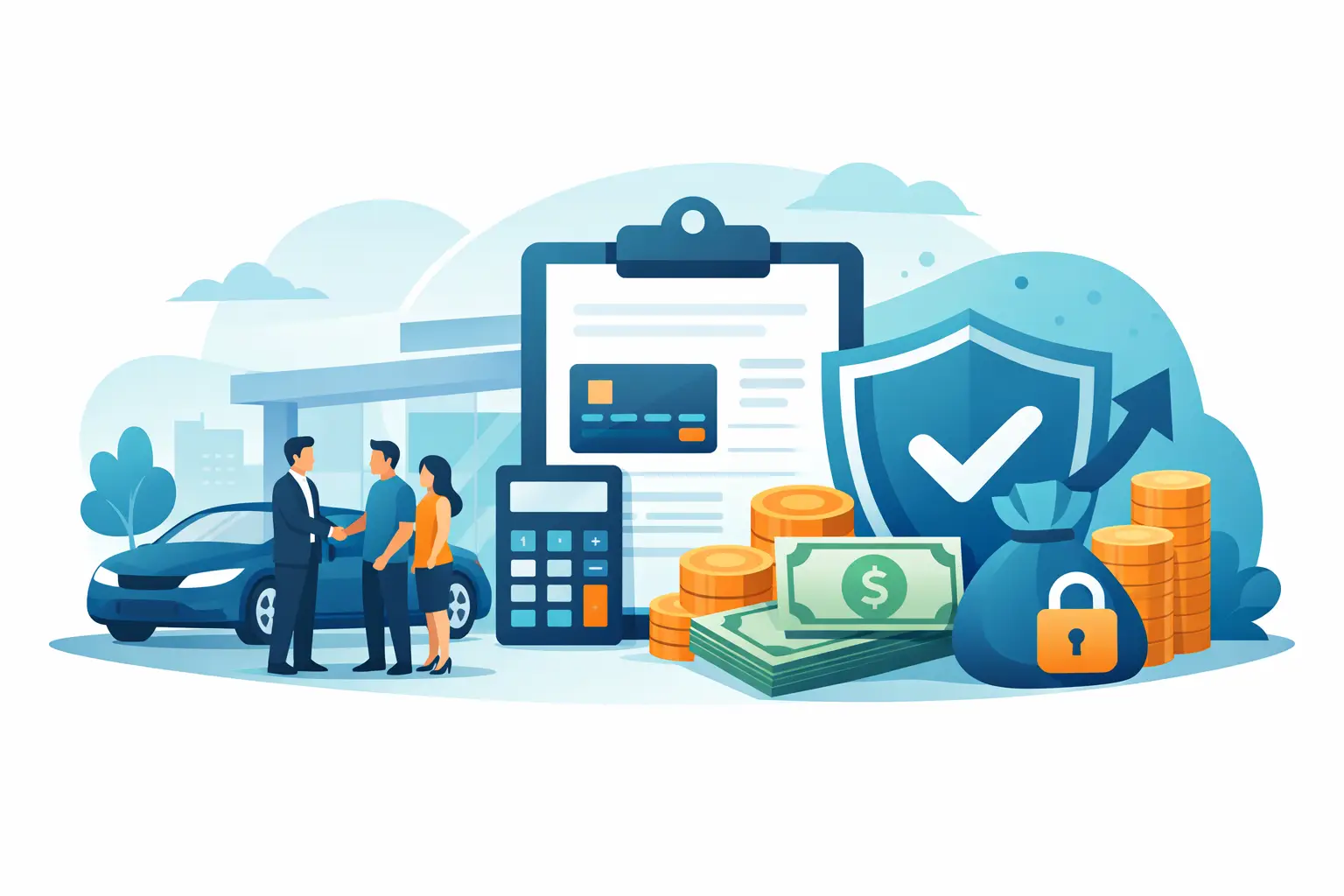
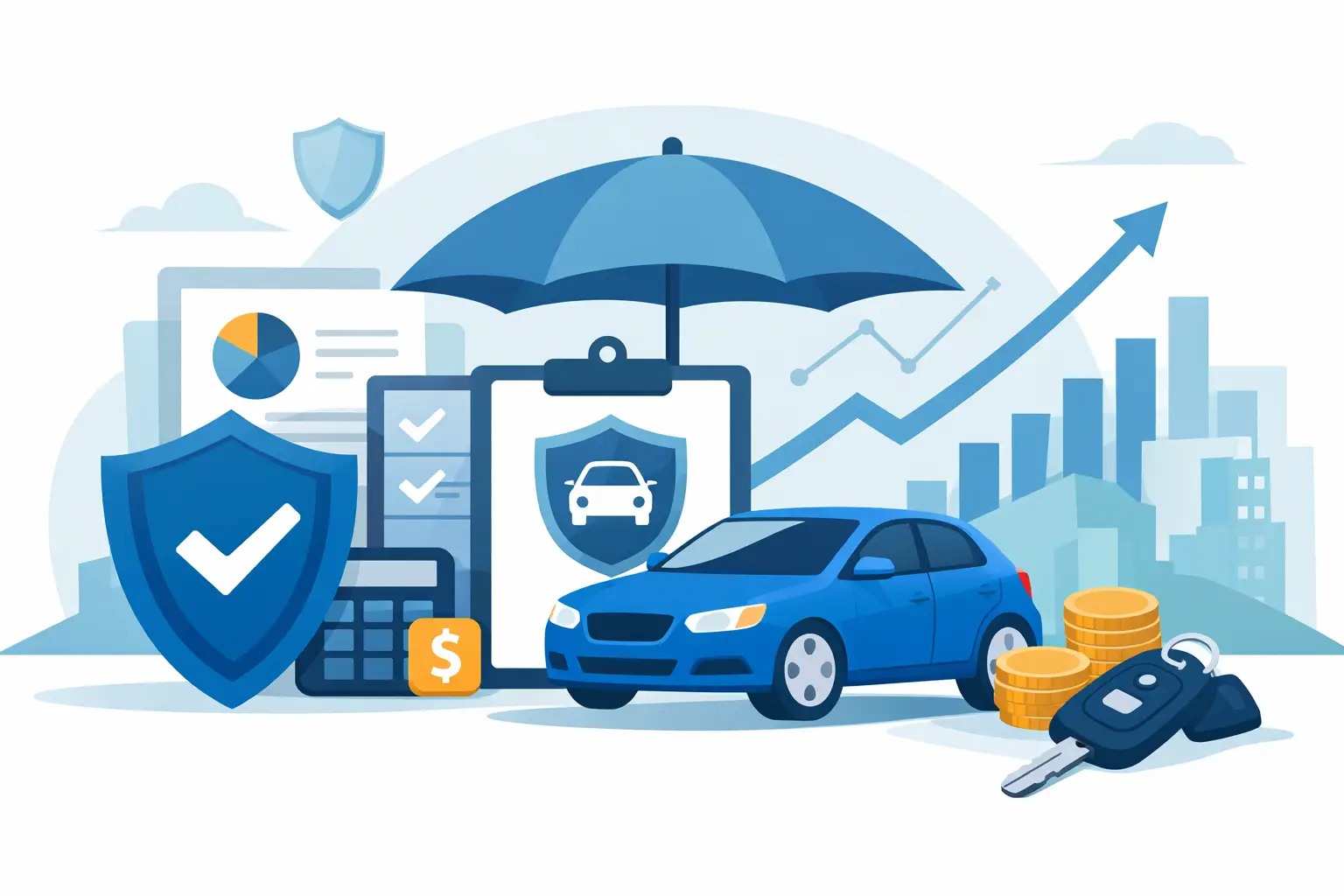
A vehicle event can disrupt a customer’s finances even when the lease itself is performing as expected. That is why an optional payment-continuity membership can be a meaningful part of the lease offering. It gives customers a defined source of relief when a covered event leaves the vehicle unusable, instead of forcing them to choose between transportation costs and their monthly obligation.
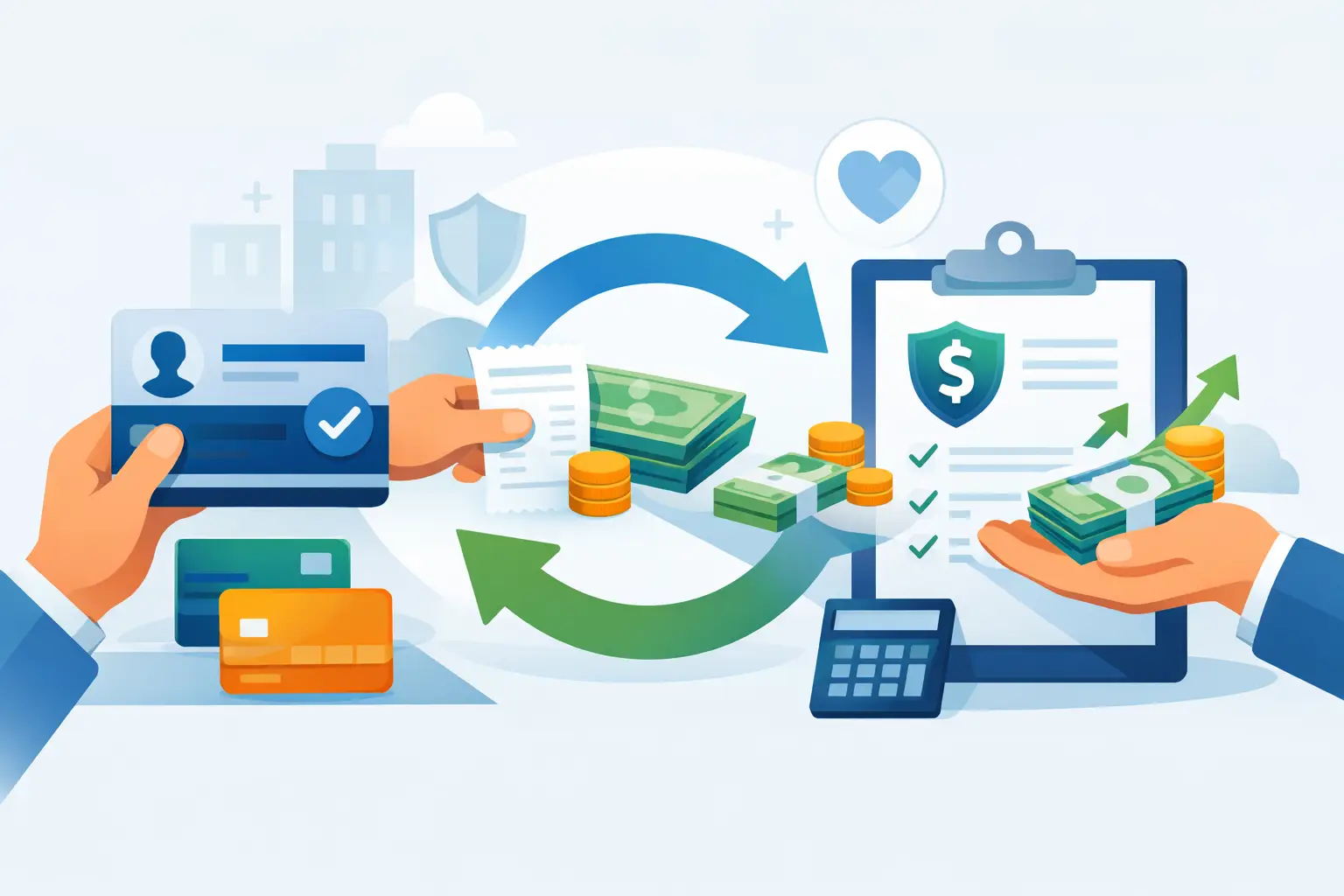
CPR For Cars is designed for this gap. The membership can reimburse a customer’s monthly car payment when a covered event leaves the vehicle unusable. It also provides up to $500 for immediate travel and miscellaneous expenses in the first year and up to $1,000 toward a replacement vehicle after a total loss, based on the customer’s down payment with the original dealer.
For a lease operator, the value is practical: a customer facing a disruptive event may have support to maintain payment continuity rather than miss a payment during a period of stress. For the dealership, the program can also support service-center return traffic and provide a differentiated aftermarket offering. It is a membership product, not traditional insurance, and teams should present it accurately with the applicable terms, conditions, and coverage details.
The trade-off is straightforward. A protection product only supports portfolio performance when it is positioned honestly, offered consistently, and understood by the customer. A rushed F&I presentation creates confusion and weakens trust. A clear presentation ties the membership to a scenario customers recognize: “If your vehicle cannot be used after a covered event, this benefit may help protect your payment and help with immediate transportation-related costs.”
Build a Delinquency Workflow Around Real Customer Behavior
Payment protection works best as part of a broader operating model. Leasing companies should define what happens when a customer reports a vehicle event, when a service center confirms the vehicle is inoperable, and when a payment is approaching due. The handoff between service, customer care, billing, and collections should be deliberate rather than improvised.
A practical workflow can include event tagging in the customer record, outreach within a defined timeframe, a review of available support, and follow-up until the vehicle is repaired, replaced, or the account returns to normal payment behavior. Keep records of the reason for contact, the assistance discussed, and the customer’s commitment. This protects compliance and gives portfolio leaders better visibility into which events are driving payment stress.
Automation can improve speed, but it should not replace judgment. A customer with a short repair delay may need only a reminder and payment link. A customer facing a total loss, transportation strain, and an insurance settlement delay may need a more detailed conversation. Segmenting outreach by risk and circumstance lets teams focus human attention where it can have the greatest effect.
Measure More Than the Delinquency Rate
A lower 30-day delinquency figure is a useful result, but it does not tell the full story. Lease operators should measure whether early intervention is reaching the right customers and whether customers remain current after a vehicle disruption. Track cure rates, broken payment arrangements, time from repair event to outreach, repeat delinquency, complaint volume, and the cost to service each account.
For programs that include payment-continuity benefits, also examine utilization, reimbursement turnaround, customer satisfaction, and post-event retention. Low utilization can mean fewer covered events, but it can also signal that customers do not understand the benefit or that internal teams are failing to identify eligible cases. Numbers need context.
The best reporting connects customer hardship events to payment outcomes. If repair-event customers who receive timely support show stronger cure rates or fewer missed payments than comparable customers who do not, the operator has evidence that the strategy is protecting the portfolio. That is the type of proof executives, dealer partners, and program administrators can use when evaluating product value.
Protect the Relationship Behind the Payment
Collections pressure can recover a payment, but it rarely creates loyalty on its own. A customer who feels abandoned when their vehicle is unusable may remember that experience at lease-end, when choosing where to service their next vehicle, and when recommending a dealer or lender to family.
Lease operators have an opportunity to act differently. Put early-warning data to work, communicate before a customer falls behind, and offer meaningful support during the moments that test a household’s budget. Protect the customer’s ability to pay, and you are also protecting the performance, retention, and long-term value of the lease portfolio.



Leave A Comment