

A lease customer who gets stranded by a major repair or total loss is not thinking about contract structure. They are thinking about how to get to work, how to cover the next payment, and whether anyone in the transaction will actually help. That is where how lessors improve customer loyalty becomes very real. Loyalty is rarely built at signing alone. It is tested when the vehicle is unusable, the budget is tight, and the customer is deciding whether their leasing provider added value or added stress.
For lessors, that creates both a risk and an opening. A lease portfolio can look healthy on paper and still lose future business if customers feel unsupported during disruption. On the other hand, a lessor that protects the customer experience during high-friction moments has a better chance to preserve payment behavior, improve satisfaction, and earn the next transaction. Loyalty in leasing is practical. It grows when customers believe their provider helped them stay mobile, stay current, and stay confident.
Why how lessors improve customer loyalty starts with disruption
Most lease customers do not judge a provider only by rate, term, or monthly payment. Those factors matter, but they often fade into the background after delivery. What stays memorable is what happens when something goes wrong.
A breakdown, accident, or total loss can turn a stable account into a stressed one fast. Even responsible customers may struggle if they are making payments on a vehicle they cannot use while also paying for alternate transportation. That pressure can lead to frustration, missed payments, negative service experiences, and weaker intent to lease again.
This is why customer loyalty in leasing is closely tied to payment continuity and support. If a lessor can reduce the financial shock of a covered event, the relationship feels less transactional and more protective. That matters because customers are more likely to return to providers that helped them through a difficult period, not just providers that offered a competitive deal on day one.
The loyalty gap in traditional lease experiences
Many lease programs still leave a gap between the contract and the customer’s real-life risk. The lease may define payment obligations clearly, but clarity alone does not create goodwill. When a vehicle is inoperable, the customer still has immediate needs – transportation, cash flow, and reassurance that they are not handling the disruption alone.
Lessors sometimes assume roadside assistance, warranties, or standard service processes are enough. They can help, but they do not always solve the biggest loyalty problem: the customer is paying for a vehicle they cannot use. If that feeling lingers, it can overshadow every positive touchpoint that came before it.
That is where loyalty strategies need to move beyond convenience features. Customers remember financial relief. They remember fast action. They remember whether the provider made a hard situation easier or simply referred them elsewhere.
Payment protection changes the relationship
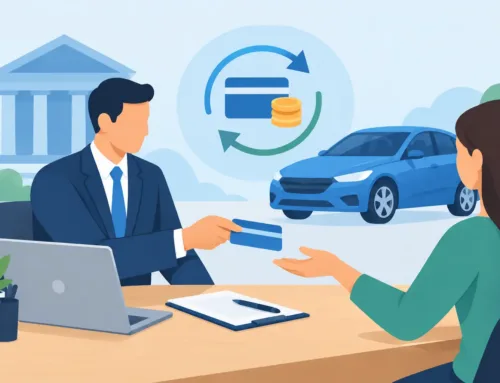
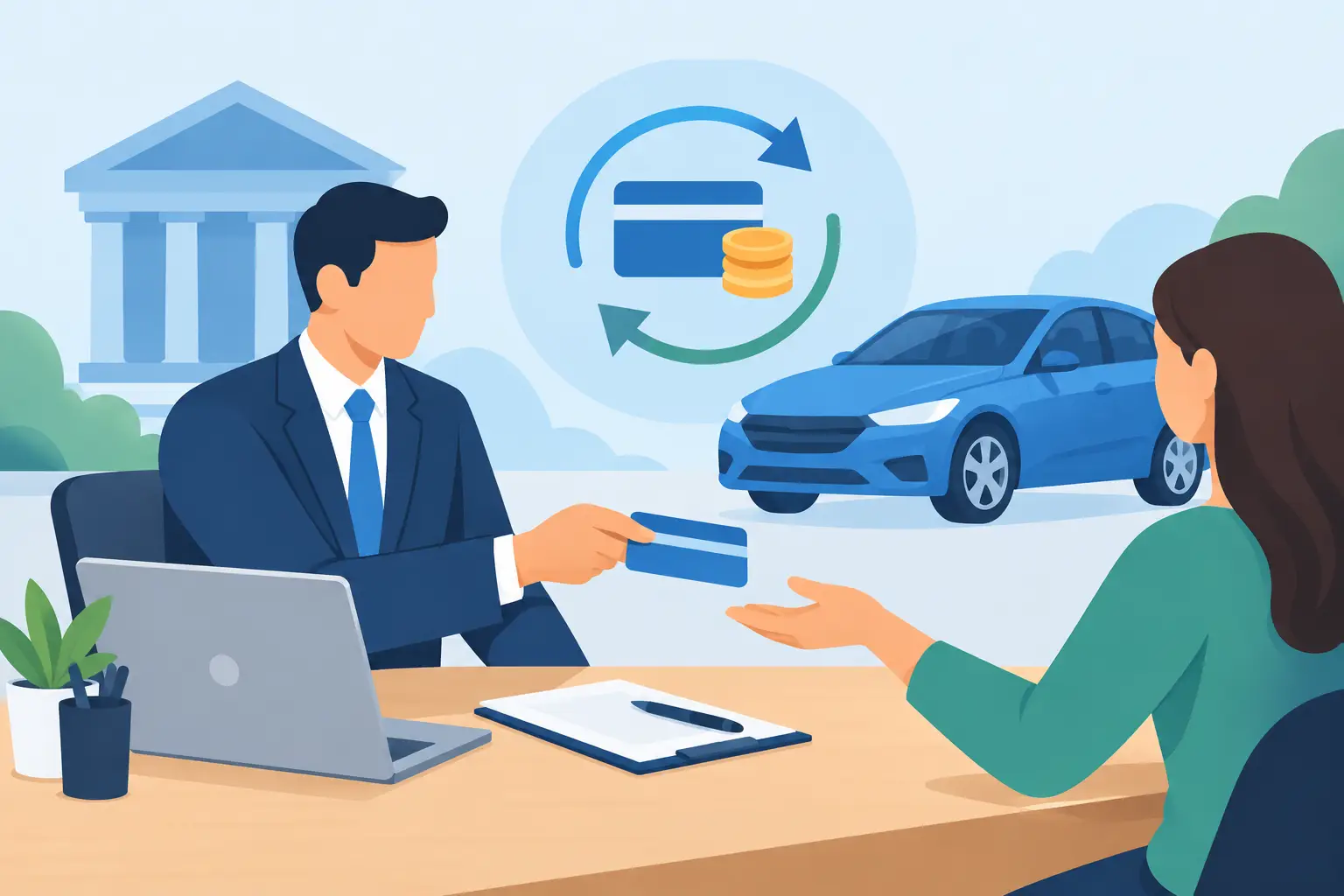
One of the strongest ways to strengthen loyalty is to support the customer when vehicle disruption threatens their budget. A payment reimbursement membership does exactly that. When a covered event leaves the vehicle unusable, reimbursement for the monthly car payment can relieve immediate pressure and help prevent the account from becoming a customer service problem.
For the customer, that feels tangible. It is not abstract value buried in fine print. It is support tied directly to the monthly obligation they are worried about most. For the lessor, it supports account stability while reinforcing the message that the customer relationship does not end when the contract is signed.
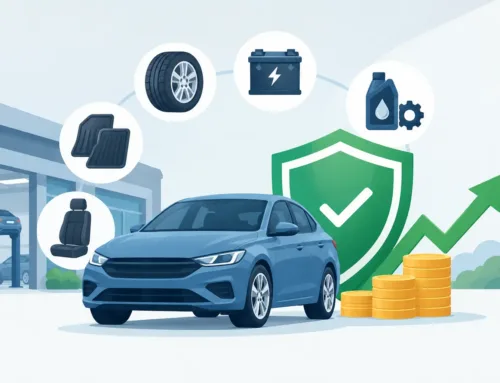
This approach also gives the lessor a differentiator that is easier to explain than broad promises about service. Customers understand reimbursement. They understand travel and miscellaneous expense support. They understand help toward a replacement vehicle after a total loss. These benefits do more than soften disruption. They build trust in the provider behind the lease.
How lessors improve customer loyalty through operational follow-through
Products alone do not create retention. The experience around the product matters just as much. Lessors that improve loyalty usually do three things well: they set expectations clearly, they respond quickly during a claim-related event, and they make sure the customer sees the support as part of the brand relationship.
Clear communication at delivery matters because customers need to know what protection they have and when to use it. If a benefit exists but the customer does not understand it, the loyalty upside gets lost. F&I teams, lease originators, and servicing staff should all be able to explain the membership in outcome-based terms. Keep it simple. If your vehicle becomes unusable due to a covered event, this membership can reimburse your payment and help with immediate expenses.
Speed matters next. A delayed response can erase the perceived value of a strong program. Customers in disruption are highly sensitive to friction. The lessor that has a straightforward process and a confident support message is far more likely to keep that customer engaged and cooperative.
Then comes positioning. If the support feels disconnected from the lessor, it may still help, but it will not build as much brand loyalty. Lessors should frame the protection as part of a broader customer-care strategy that safeguards both mobility and payment confidence. That is where the relationship strengthens.
Loyalty improves when customers see real financial relief
There is a simple reason financial relief drives loyalty: it addresses the problem the customer feels most sharply. A customer can tolerate inconvenience better than they can tolerate unplanned financial strain. This is especially true in leasing, where customers may already be evaluating whether they want to renew, purchase, or move to another provider at maturity.
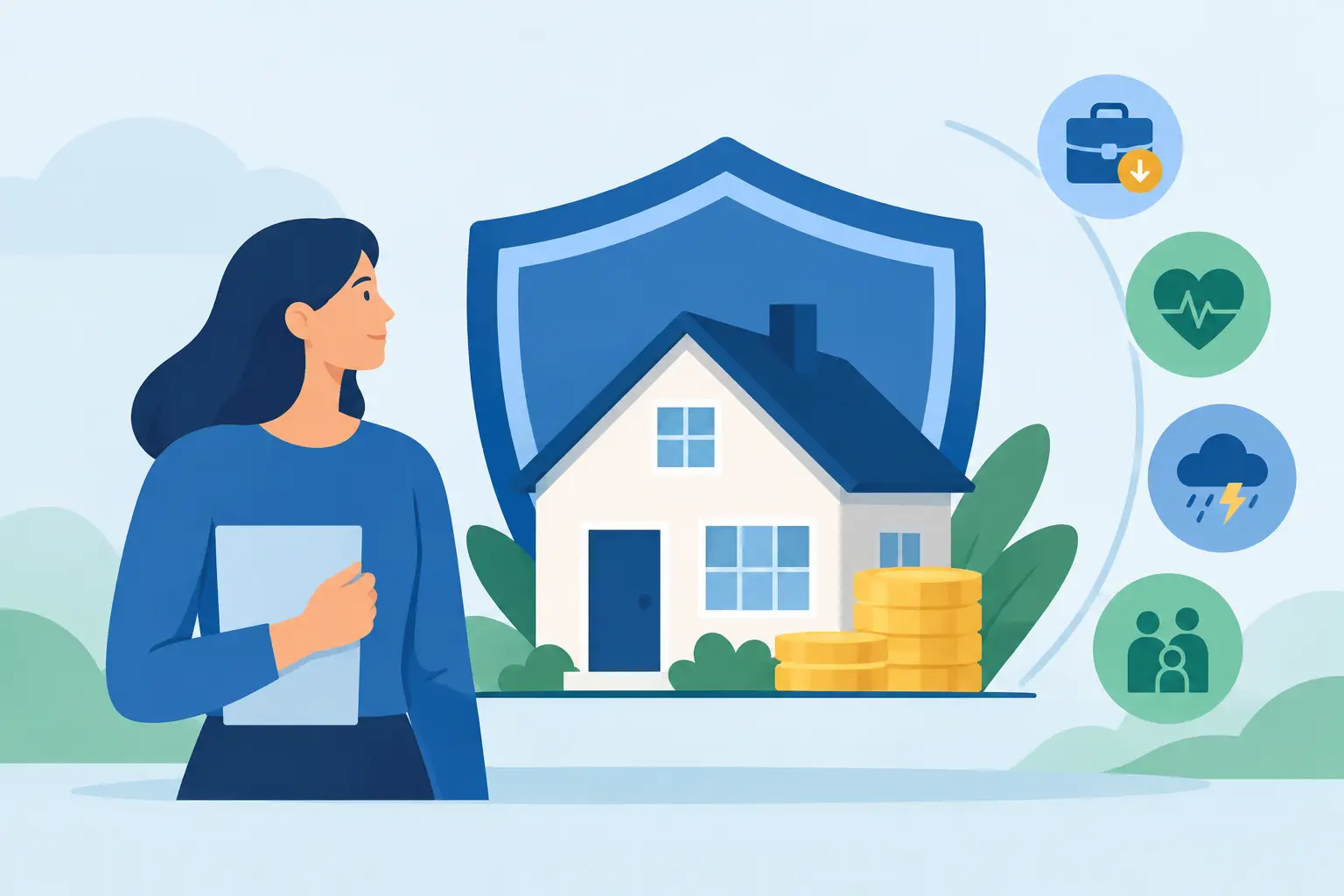
When support includes reimbursement for monthly payments, help with travel or miscellaneous expenses, and assistance toward replacement after a total loss, the lessor becomes associated with stability rather than exposure. That shift has real commercial value.
It can reduce the emotional fallout of disruptions, protect future renewal opportunities, and support stronger word-of-mouth. Customers who feel protected are more likely to describe the leasing experience positively. In a competitive market where many providers look similar at the contract level, that matters.
There is also a portfolio angle. Customers under stress are harder to retain and more expensive to service. Any tool that helps preserve payment behavior and reduce dissatisfaction can support both customer loyalty and operational performance. That is a better outcome than trying to recover goodwill after the fact.
The business case for lessors is bigger than retention alone
Lessors should not treat loyalty as a soft metric. It affects revenue, remarketing opportunities, renewals, and partner relationships with dealers and finance channels. A customer who exits the lease frustrated may not only avoid renewing. They may also avoid the originating dealership, decline future aftermarket products, and influence other buyers through negative reviews or direct referrals.
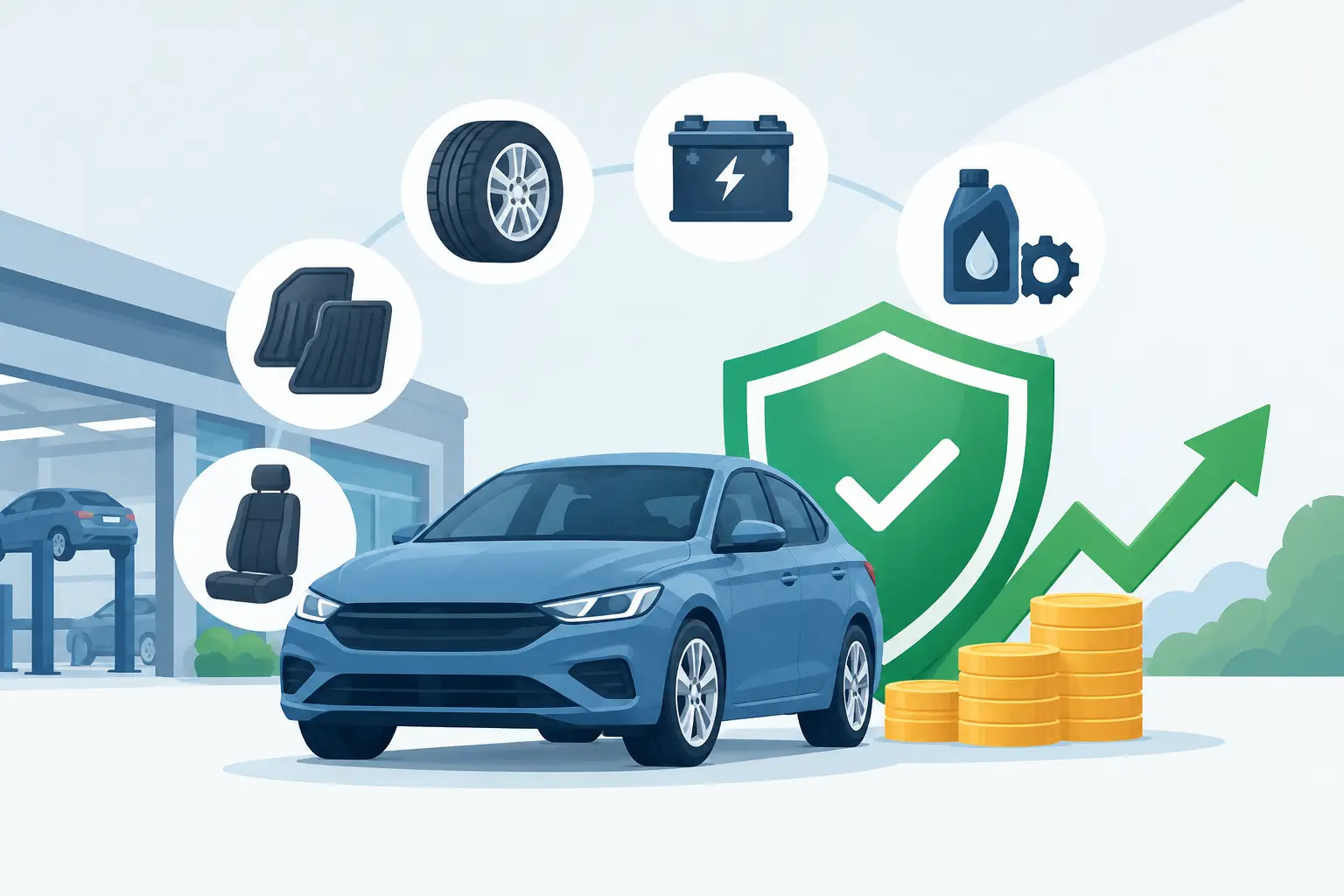
By contrast, a lessor that offers meaningful protection can create a stronger ownership experience across the full lifecycle of the deal. That can support backend profitability, strengthen dealer alignment, and encourage customers to return to the service center and the showroom.
There is a trade-off, of course. Not every loyalty initiative produces measurable returns, and some perks sound attractive without changing behavior. The advantage of payment reimbursement membership is that it addresses a specific, costly problem with a clear customer benefit. That makes it easier to position internally and easier to justify commercially.
For lessors evaluating ancillary programs, this is the key question: does the product simply add another line item, or does it help protect the customer relationship when the deal is under pressure? The second category is where loyalty lives.
What strong loyalty programs look like in practice
The best loyalty strategies are not built on generic rewards language. They are built on relevance. In leasing, relevant support means helping the customer maintain stability when the vehicle cannot.
That is why a protection-focused membership can be so effective. It supports the customer at the exact moment trust is most vulnerable. It also gives the lessor a practical story to tell dealers, program administrators, and executive teams: this is not just an add-on. It is a revenue-generating product that helps preserve customer goodwill and payment continuity.
For organizations looking to stand out, that combination is powerful. A program like CPR For Cars gives lessors a way to protect customers and their bottom line at the same time. It supports the customer in a disruptive event while helping the business strengthen retention, improve service-center return traffic, and create a more defensible lease experience.
Customer loyalty is rarely won with slogans. It is won when the provider shows up with real help at the right time. For lessors, that is the clearest path forward: make protection part of the product, and customers will remember who stood behind them when it counted.


Leave A Comment