

A dealership can sell more cars this month and still lose ground on profit if the backend is weak, fixed ops underperform, and customer retention slips after delivery. That is why top dealership profit center ideas matter so much right now. The strongest stores are not chasing one big margin win. They are building multiple, repeatable profit centers that protect gross, improve customer loyalty, and keep revenue moving long after the front-end deal is closed.
For most operators, the real opportunity is not finding a flashy new revenue stream. It is tightening the mix of products, services, and customer programs that fit the way people buy, finance, drive, repair, and replace vehicles today. The best profit centers do two things at once – they generate income and make the ownership experience easier for the customer.
What makes dealership profit centers worth adding
Not every revenue idea belongs in every rooftop. A luxury franchise store, an independent used car lot, and a buy-here-pay-here operation will each have different customer expectations, lender relationships, and compliance requirements. Still, the most reliable profit centers tend to share the same traits.
They are easy for sales and F&I teams to explain, they solve a clear customer problem, and they produce margins without dragging down the buying experience. Just as important, they support retention. A product that creates service lane traffic or keeps a customer financially stable during a disruption can be more valuable than a one-time upsell with no follow-through.
That is the filter smart dealers should use as they evaluate growth opportunities. The question is not simply, “Can we sell it?” The better question is, “Does it strengthen the relationship while adding gross?”
Top dealership profit center ideas that scale
F&I protection products remain a core driver
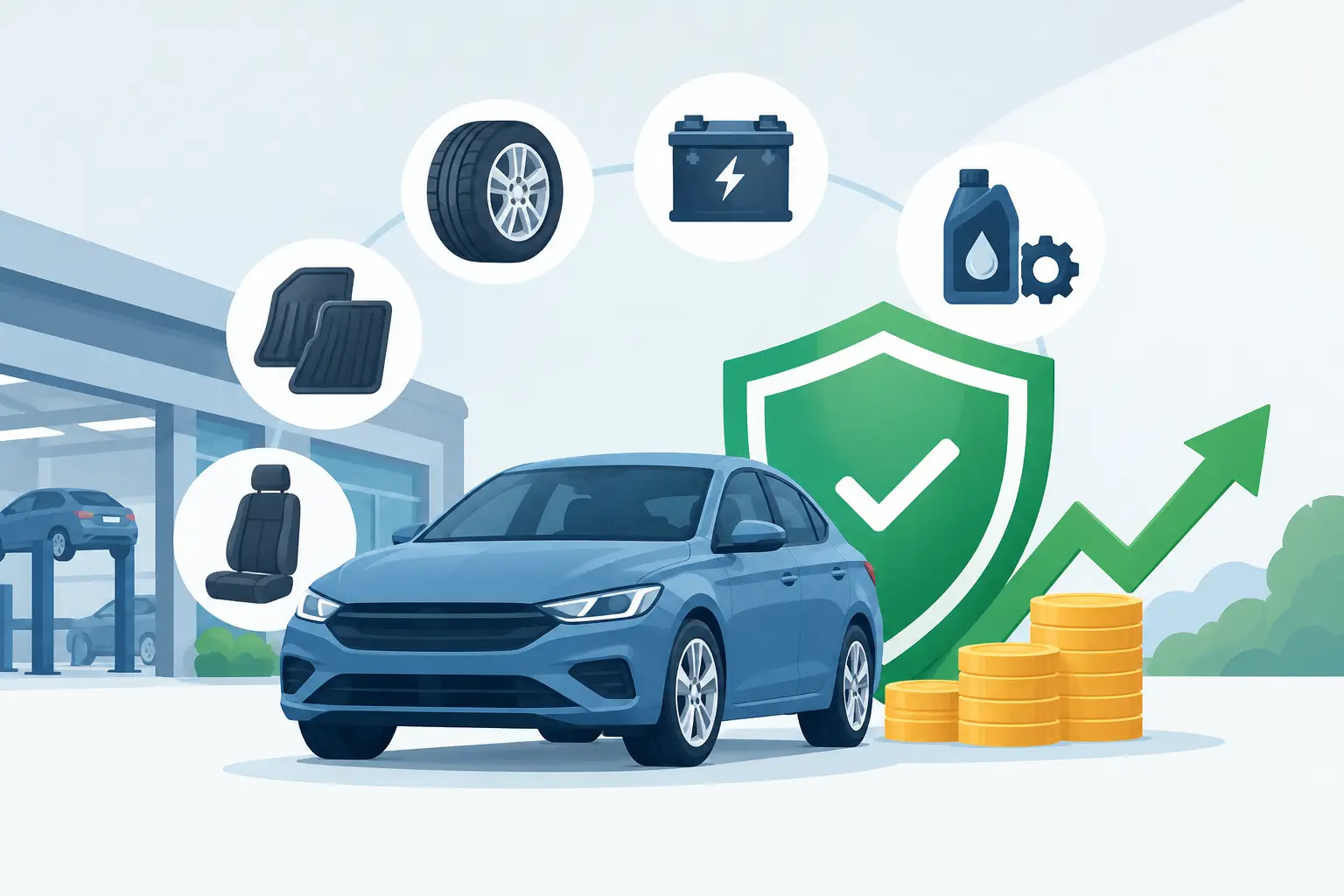
Vehicle service contracts, GAP, tire and wheel, key replacement, maintenance plans, and appearance protection still belong near the top of the list for a reason. They are familiar to customers, proven in the retail process, and capable of producing meaningful per-copy income.
But familiarity can also create complacency. Stores that treat these products like a script often see lower penetration and more chargebacks. The stores that perform best position protection around ownership reality. Repairs happen. Tires fail. Keys get lost. Negative equity shows up fast after delivery. When the menu conversation is grounded in real risk instead of pressure, close rates tend to improve.
The trade-off is that product stacking can backfire if the customer feels overloaded. Better F&I performance usually comes from a disciplined, well-trained presentation rather than trying to push every option on every deal.
Service contracts and prepaid maintenance create long-tail value
Some profit centers produce a quick margin and then disappear. Service contracts and prepaid maintenance can do more than that. They can help bring the customer back to the dealership, increase service absorption, and support retention when it is time to trade or buy again.
That matters because fixed operations often determine whether a dealership has a durable profit model. Front-end grosses rise and fall with the market. Service revenue is more dependable when the operation is set up correctly.
Prepaid maintenance works especially well when a store wants to increase first-service return rates. Service contracts can support both customer peace of mind and backend gross, particularly in used vehicle sales where repair anxiety is high. The key is matching the offer to the vehicle, the buyer profile, and expected ownership period.
Reconditioning and value-added used car merchandising
Used vehicles offer more room for creative profit capture than many dealers realize. Strong reconditioning processes, certified-style merchandising, and retail-ready presentation all support higher asking prices and faster turn.
This is not just about cosmetic cleanup. It is about packaging confidence. A used vehicle that is fully inspected, well photographed, and backed by the right protection products becomes easier to finance and easier to justify at a stronger margin.
There is a cost-control side to this as well. Reconditioning can either protect profit or quietly drain it. Dealers that track recon time, parts sourcing, labor efficiency, and pricing discipline usually outperform stores that treat used inventory as a volume game only.
Finance reserve and lender participation
For many dealerships, finance reserve remains one of the most significant backend contributors. A healthy lender network, strong structure discipline, and consistent deal packaging can create meaningful income without changing the customer-facing experience very much.
That said, reserve is highly sensitive to rate environment, compliance expectations, and lender policy changes. It should be viewed as an important profit center, but not the only one. Dealers that rely too heavily on reserve alone can feel margin pressure quickly when the market tightens.
The safer strategy is balance. Finance reserve works best as part of a broader profit plan that includes product income, service retention, and customer care programs.
Car payment reimbursement memberships
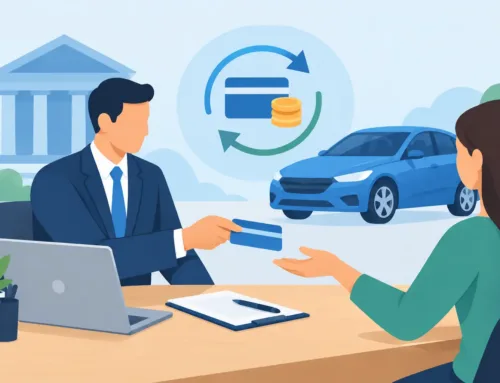
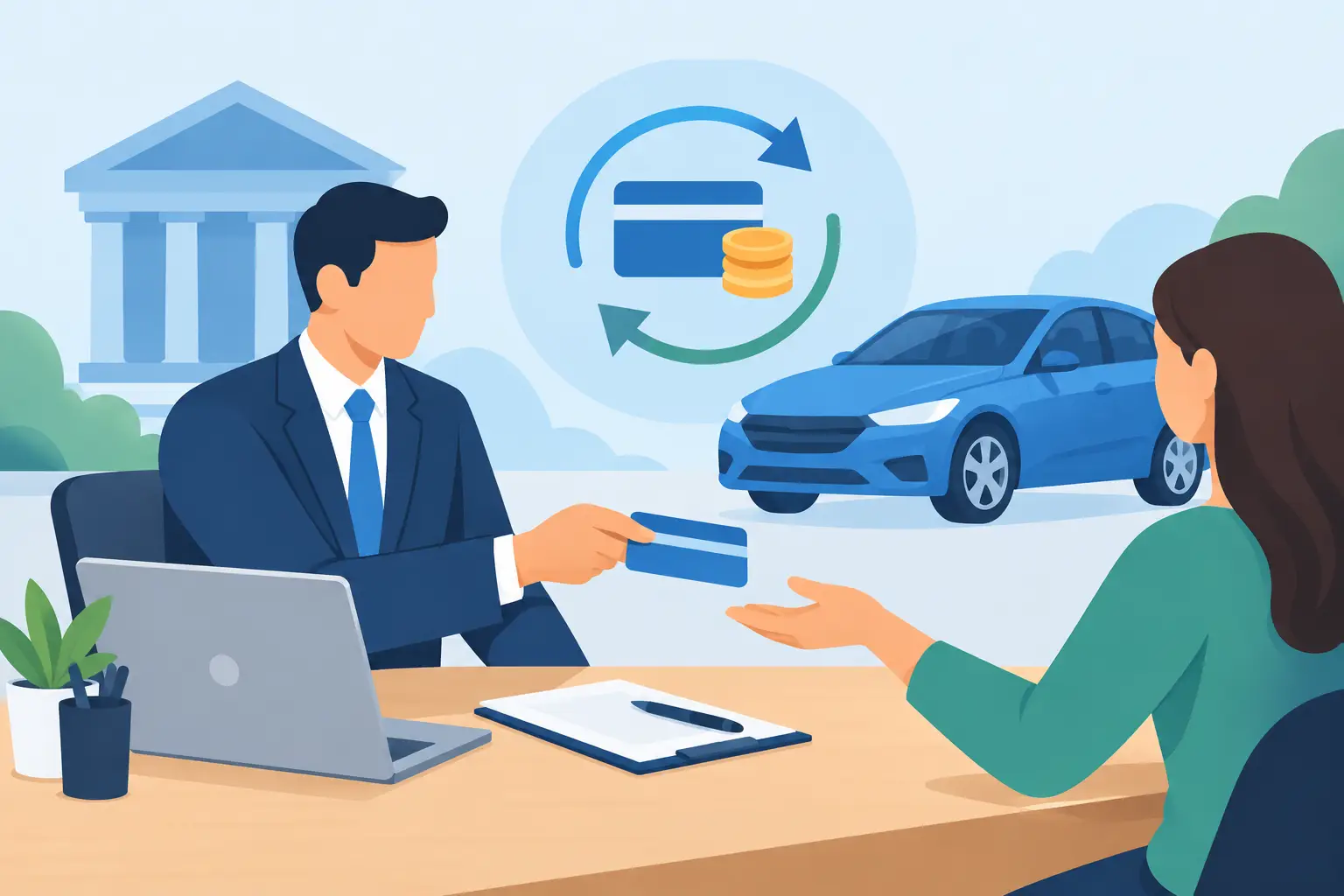
One of the more practical additions to the profit mix is a membership product built around payment continuity and customer relief when a covered event leaves the vehicle unusable. This category stands out because it addresses a real pressure point for both the customer and the finance ecosystem.
When a vehicle is disabled, the customer may still be facing a monthly payment, immediate travel costs, and the stress of figuring out what comes next. A reimbursement membership can help protect the customer at the point where frustration and payment disruption often begin. For the dealership, that creates a different kind of value than a standard protection product. It supports goodwill, helps reinforce customer loyalty, and can drive customers back into the service and replacement cycle.
This is where a program like CPR For Cars can be strategically valuable. It gives dealerships and finance partners a monetizable aftermarket offering that is easy to position around real-world financial relief, while also supporting return traffic and stronger customer relationships.
The biggest advantage here is differentiation. Many stores offer similar menus. Fewer offer a product that directly addresses the burden of making a car payment when the car cannot be used. For lenders, lessors, and BHPH operators, that makes this category worth serious attention.
Service lane upsells and retention programs
The service drive is often underused as a profit center because many stores focus only on repair order volume. The bigger opportunity is retention-based revenue. Tire sales, brake services, alignments, battery replacements, fluid services, accessories, and extended maintenance recommendations all add up when the customer returns consistently.
This only works when the dealership has trust. Aggressive service recommendations without clear need can damage retention fast. On the other hand, transparent inspections, convenient scheduling, and customer-friendly follow-up can turn fixed ops into one of the most stable profit engines in the business.
Dealers should also look at service lane product offers tied to ownership stages. A customer at 18 months has different concerns than one at 48 months. Profit improves when the offer matches the moment.
How to choose the right dealership profit centers
The best answer depends on your store model. A franchise dealer with strong fixed ops may gain the most from prepaid maintenance, service contracts, and service-lane retention products. An independent used car store may see stronger results from vehicle service contracts, GAP, and reconditioning discipline. A BHPH dealer may place even more weight on products that support payment stability and customer continuity.
Team execution matters just as much as product selection. If the sales desk is not aligned with F&I, if service advisors do not understand the ownership products sold in the box, or if the dealership never tracks cancellation trends, even a good profit center can underperform.
That is why operators should evaluate each opportunity through four lenses: margin, customer relevance, retention impact, and process fit. High gross means less if the product creates friction, confusion, or compliance risk. By contrast, a product with moderate immediate profit may outperform over time if it improves loyalty and keeps the customer connected to the store.
Building top dealership profit center ideas into daily operations
Adding a profit center is the easy part. Making it consistent is harder. Managers need a clear presentation strategy, measurable benchmarks, and accountability across departments. Penetration rates, per-copy averages, cancellation trends, service return behavior, and lender performance should all be reviewed regularly.
Training also has to stay practical. Staff should know how to explain the benefit in plain language, handle objections without pressure, and connect each product to a genuine ownership risk. Customers respond better when the message is straightforward and relevant.
The most profitable dealerships are rarely the ones with the longest menu. They are the ones with the clearest strategy. If you want stronger results, focus on profit centers that protect your customers and your bottom line at the same time. That is where revenue becomes more durable, and where a single sale has a better chance of turning into a longer, more valuable relationship.






Leave A Comment