
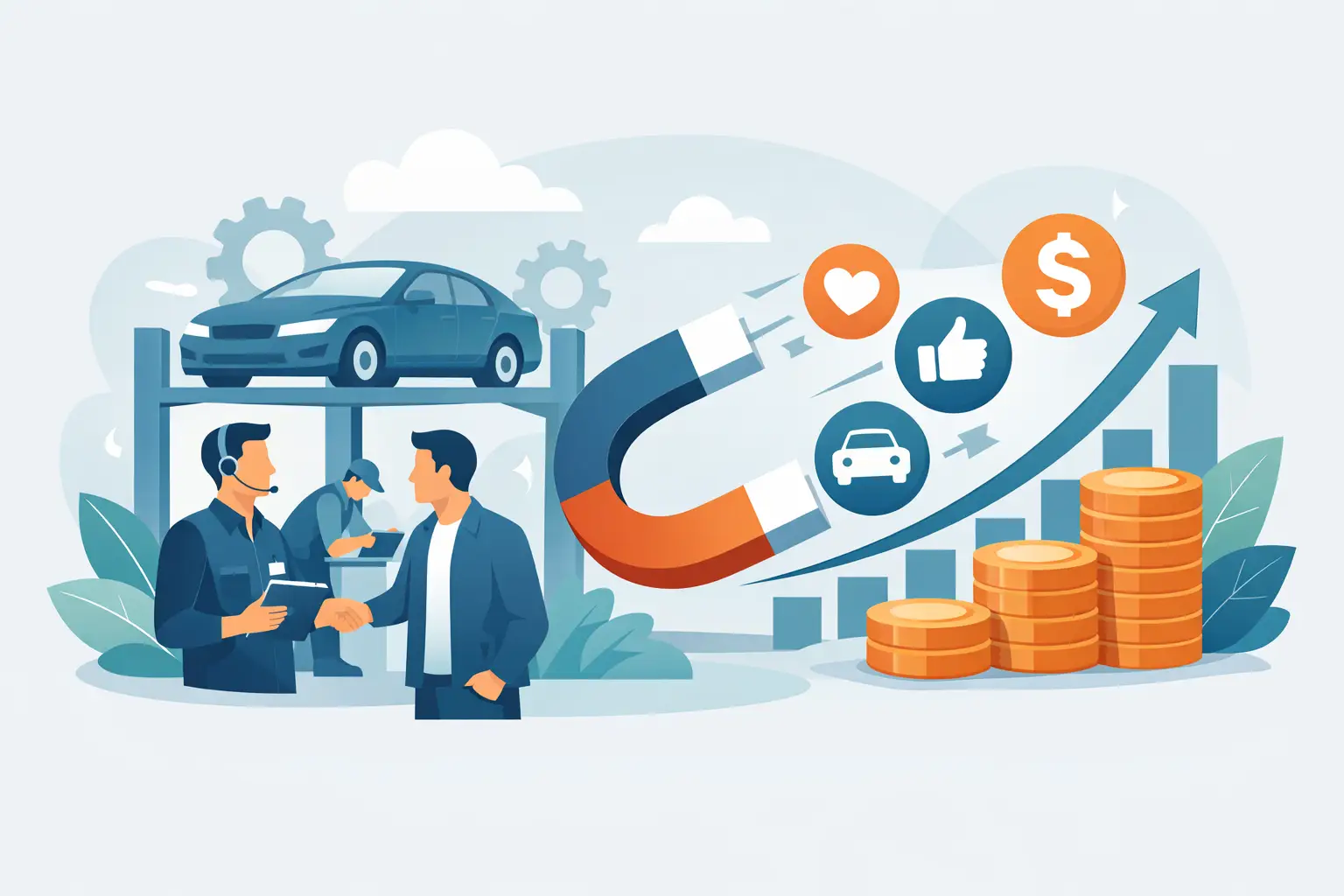
A customer misses one service visit after an accident or mechanical failure, and too often the dealership loses more than a repair order. It loses contact, loyalty, and future gross. A strong service drive retention strategy is not just about reminders and coupons. It is about protecting the customer relationship when ownership gets disrupted.
For dealers, lenders, lessors, and BHPH operators, that disruption matters more than most retention plans account for. When a vehicle is unusable, the customer is dealing with transportation stress, unexpected expenses, and in many cases the same monthly payment still coming due. If your retention plan only starts when the service lane is quiet, you are already reacting too late.
Why a service drive retention strategy breaks down
Most stores think of service retention as a marketing function. They focus on appointment reminders, maintenance intervals, declined service follow-up, and maybe a loyalty offer. Those tactics help, but they do not solve the bigger problem. Customers disappear from the service drive when life gets expensive or chaotic.
That is the gap many operators ignore. A customer who cannot use the vehicle is not thinking about your next oil change campaign. They are figuring out how to get to work, how to cover out-of-pocket costs, and whether they can keep the account current. When that pressure rises, retention weakens across the board – in service, in sales, and in finance performance.
A better strategy starts with a simple business truth. If you want long-term service lane loyalty, you need to support the customer through the moments that threaten the ownership relationship.
What a real service drive retention strategy should do
A practical service drive retention strategy should produce three outcomes at the same time. It should keep the customer connected to your dealership or portfolio, protect payment behavior during disruptive events, and create reasons for the customer to return instead of drift toward an independent shop or a competitor.
That means retention cannot sit only with fixed ops. It has to connect F&I, sales, service, and in many cases the lender or lessor behind the transaction. The strongest programs are built around ownership continuity, not just maintenance marketing.
This is where many ancillary products fall short. Some products create backend income but do little to influence post-sale behavior. Others sound consumer-friendly but are too limited to change the customer experience in a meaningful way. If the product does not help customers stay mobile, stay engaged, or stay financially steady during a covered disruption, its retention value is weaker than the brochure suggests.
The financial pressure behind lost service retention
Service retention is often discussed as a convenience issue. In reality, it is often a cash flow issue.
When a customer faces an accident, breakdown, or total loss event, the financial strain starts fast. Transportation costs show up immediately. Deductibles, towing, missed work, and replacement planning create added pressure. Yet the monthly car payment may still be due. That combination affects decision-making.
Customers under pressure delay maintenance. They defer repairs that are not urgent. They may move to lower-cost providers, stop responding to dealer outreach, or become harder to reach altogether. For lenders and lessors, that same pressure can also affect payment continuity. For BHPH dealers, it can impact portfolio stability and customer communication at the same time.
This is why retention strategy should not be treated as a narrow service department issue. It is a portfolio protection issue and a revenue protection issue.
How customer protection supports service lane return traffic
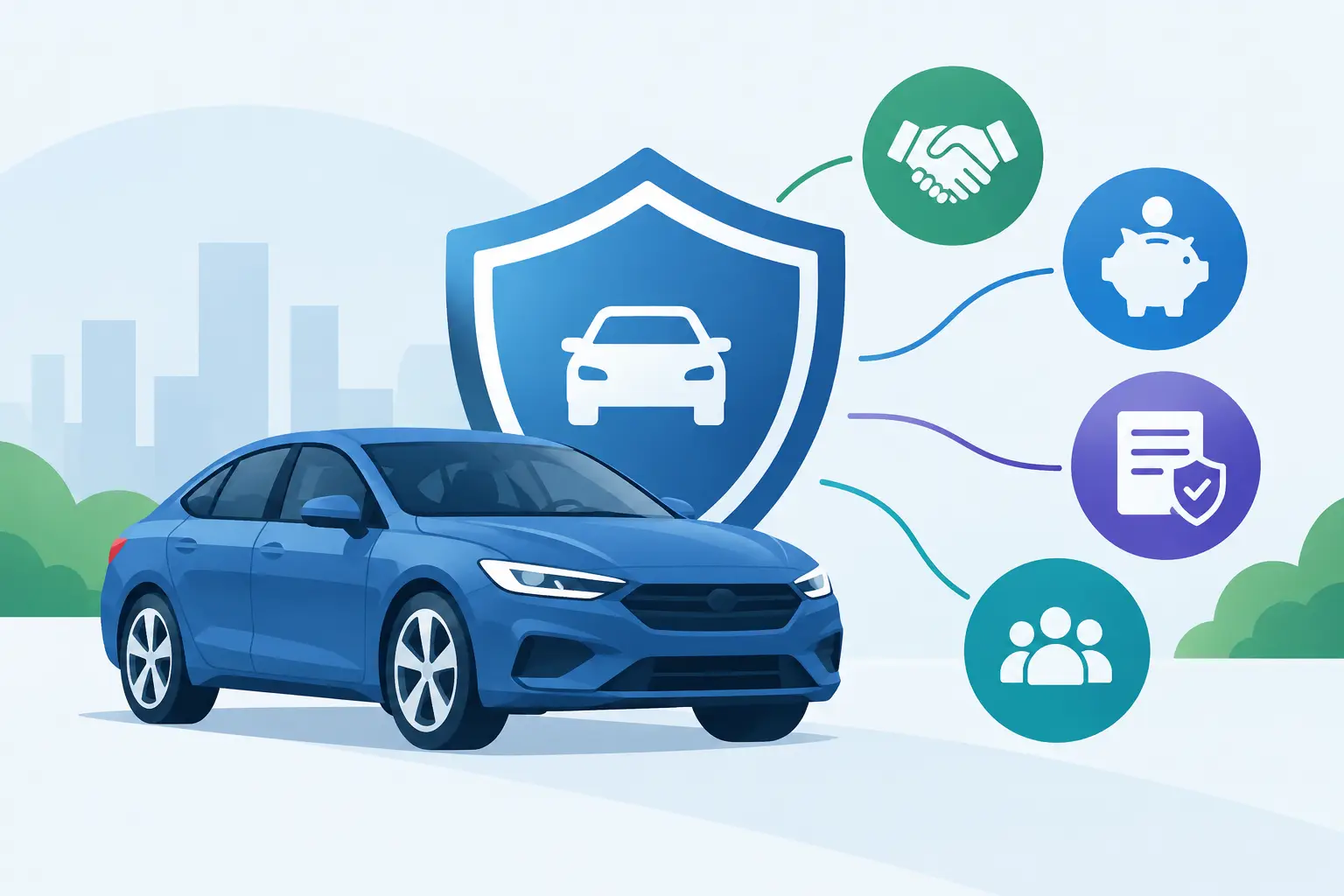
The strongest retention tools are the ones customers actually remember when they need help. A membership that reimburses a monthly car payment when a covered event leaves the vehicle unusable speaks directly to the stress that causes customer relationships to break down.
That kind of support changes the ownership experience. Instead of facing disruption alone, the customer sees that the originating dealer, finance source, or leasing partner offered something built to help during a difficult moment. That matters for goodwill. It also matters for return behavior.
If the customer receives immediate help with travel and miscellaneous expenses in the first year, and if there is additional value available toward a replacement vehicle after a covered total loss, the relationship stays active instead of collapsing into frustration. The customer is more likely to remain engaged with the business that helped protect them.
For dealers, that means a better chance of seeing that customer again in service, in the showroom, and in future F&I opportunities. For lenders and lessors, it supports a more stable customer relationship around the financed asset. For BHPH operators, it can reinforce communication and trust where disruption would otherwise create account risk.
Building a service drive retention strategy around ownership continuity
If your current retention process lives only in fixed ops, it is too narrow. A stronger model starts at the point of sale and follows the customer through the life of the vehicle.
First, the product offering has to make sense in the real world. Customers respond to tangible benefits, not abstract promises. Payment reimbursement after a covered unusable event is easy to understand. Help with immediate travel expenses is easy to appreciate. Support toward a replacement vehicle after a total loss gives the customer a practical path forward. That clarity matters because retention works better when the customer knows exactly what value they have.
Second, your teams need to position the offer correctly. This is not about pitching another generic add-on. It is about protecting the customer and your bottom line at the same time. F&I managers should present the program as part of a smarter ownership plan. Service advisors should understand how that protection supports continued engagement. Leadership should track it as both a revenue generator and a retention asset.
Third, retention measurement needs to be broader. Do not look only at RO frequency. Look at repeat business, service lane return rate after disruptive events, customer communication continuity, and where applicable, payment stability trends. A true retention strategy earns its value across departments.
Where operators get the biggest lift
New car dealers often benefit from stronger brand loyalty and OEM service pull, but that does not make them immune to disruption-based attrition. Used car dealers, independent operators, and BHPH stores may feel the impact faster because the customer relationship is more exposed to payment volatility and ownership stress. In both cases, a protective membership can create a meaningful differentiator.
For leasing companies and lenders, the value looks a little different. The service drive is not always under their direct control, but customer stability still affects performance. If a program helps the customer maintain continuity during a covered event, it supports the broader account relationship. That can strengthen satisfaction, reduce friction, and preserve future business opportunities.
There is a trade-off, of course. Not every ancillary product deserves a place in your menu or portfolio. If it creates complexity without clear customer value, adoption suffers. If it helps the customer in ways they can recognize immediately and helps your business retain contact and goodwill, it has strategic weight.
That is why a service drive retention strategy should be evaluated less like a marketing campaign and more like a business system. The right program creates backend income today while supporting future service traffic, customer loyalty, and account performance later.
The competitive edge of a differentiated retention offer
Customers hear a lot of the same promises in automotive retail and finance. What stands out is practical protection tied to real ownership pain points. A program like CPR For Cars gives partners a differentiated, monetizable membership that does more than sit on a menu. It supports the customer when disruption threatens both mobility and payment behavior.
That is the kind of offer that can strengthen your value proposition in the showroom, in F&I, and across the ownership cycle. It helps answer a question more operators should be asking: what are we doing to keep this customer connected when the vehicle becomes unusable?
If the answer is only a service reminder, the strategy is too thin. If the answer includes meaningful reimbursement, immediate expense support, and a path that helps preserve the relationship, your retention model is operating where the risk actually lives.
A service drive retention strategy works best when it protects people first and lets that protection drive performance. That is how customer care becomes measurable business value.





Leave A Comment