

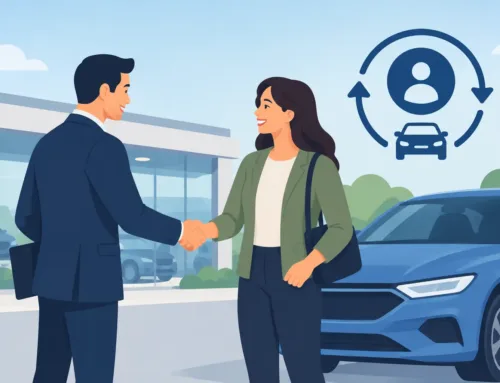
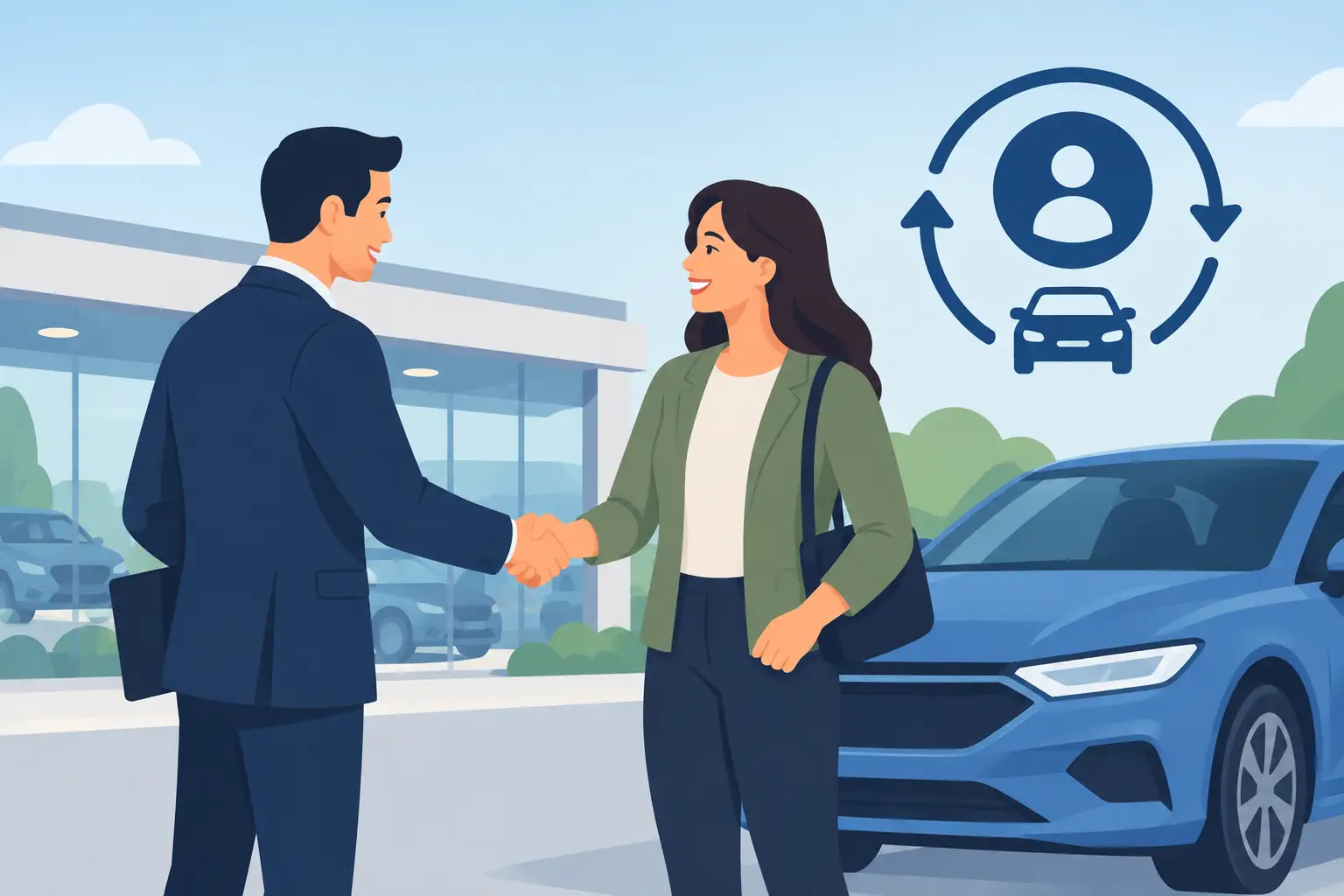
A customer buys a vehicle, leaves happy, and then disappears until the loan is paid off or the lease is up. That gap is expensive. The strongest dealership customer retention programs are built to keep the relationship active after delivery, especially when ownership gets disrupted by repairs, downtime, or total loss events that put payment behavior and loyalty at risk.
For dealerships, lenders, lessors, and BHPH operators, retention is not just a marketing issue. It is a revenue issue, a service issue, and in many cases a portfolio performance issue. If the ownership experience breaks down the first time a customer faces a real problem, that customer is far less likely to return for service, far less likely to buy again, and far more likely to associate the entire transaction with frustration instead of value.
What dealership customer retention programs are supposed to do
A lot of retention strategies get mislabeled. A birthday email is not really a retention program. Neither is a generic coupon blast that gets ignored. Real dealership customer retention programs create a reason for the customer to stay connected to the dealer or finance source after the sale. They reduce friction, reinforce trust, and give the customer practical value when it matters most.
That last point matters. Customers do not judge retention efforts by how polished the campaign looks. They judge them by whether the program helps when ownership gets inconvenient or expensive. A service reminder may support retention, but a product that helps a customer manage financial strain during a covered vehicle event speaks to a much deeper kind of loyalty.
This is why the most effective programs sit at the intersection of customer protection and business performance. They are not nice extras. They are tools that support repeat business, backend revenue, and stronger long-term account behavior.
Why traditional retention tactics often underperform
Many stores still rely on the same mix of service discounts, occasional follow-up calls, and broad CRM campaigns. Those tactics can help, but they have limits.
First, they are easy to copy. If every dealer in a market sends oil change specials and lease-end messages, none of those touches creates meaningful separation. Second, they usually show up too late. By the time a customer is upset over a breakdown, missed work, transportation costs, or a payment due on a vehicle they cannot use, a routine marketing message has very little power.
The deeper problem is that traditional retention tactics often focus on attention instead of stability. Attention is helpful. Stability is what keeps customers engaged when life gets messy. If a buyer experiences a disruptive event and the dealership has nothing in place that offers relief, the relationship weakens quickly.
That is where many retention strategies fail. They assume loyalty is built through reminders. In reality, loyalty is often built through relief.
The best dealership customer retention programs solve a costly ownership problem
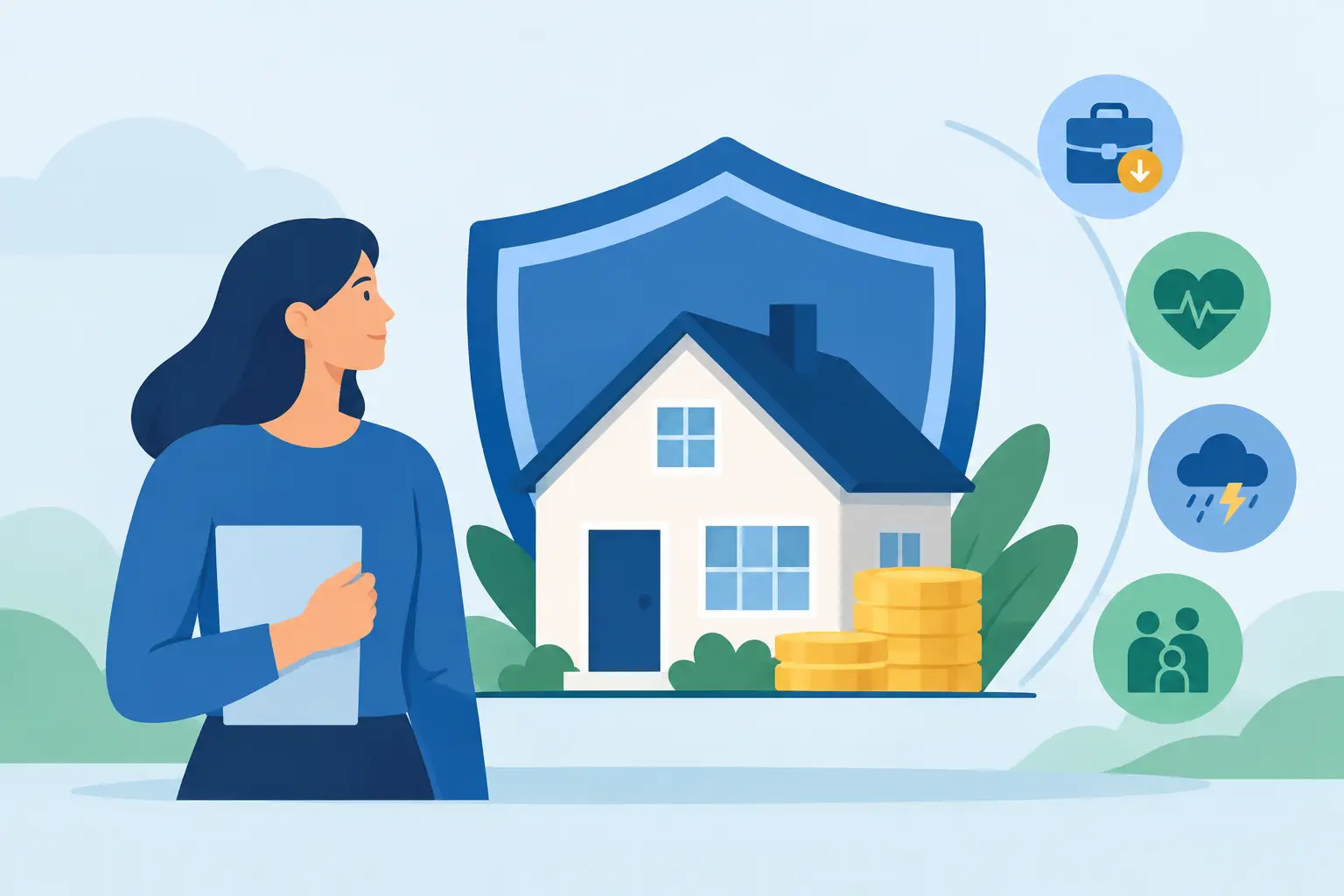
If you want stronger retention, start with the moments that break loyalty. Vehicle downtime, major repairs, accidents, and total loss situations are not rare edge cases. They are real ownership events that can shake payment consistency and destroy goodwill.
A retention program that addresses those moments does more than keep a customer satisfied. It protects the business from downstream losses. When customers feel stranded, service visits drop, complaints increase, and future sales opportunities disappear. When customers feel supported, they are much more likely to stay in the relationship.
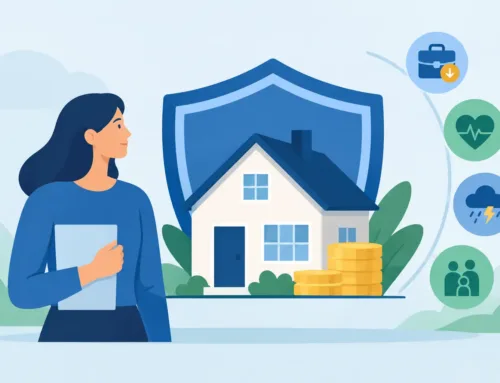
That is why payment-focused membership programs deserve serious attention. A non-insurance product that reimburses a monthly vehicle payment after a covered event, while also helping with immediate travel or miscellaneous expenses, gives customers something they immediately understand. It also gives the dealer, lender, or lessor a stronger post-sale position.
Instead of being remembered only as the place that sold the vehicle, the business becomes part of the solution when ownership is interrupted. That changes the economics of retention.
Revenue and retention should work together
There is a common mistake in this category. Some operators treat retention as a cost center and aftermarket products as a separate profit center. That split leaves money on the table.
The smarter approach is to offer products that do both. If a program generates revenue at the point of sale and also helps preserve future service traffic, repeat purchases, and customer goodwill, it is doing more than adding gross. It is strengthening the life of the account and the life of the customer relationship.
That matters for franchise dealers, independent dealers, BHPH stores, and finance sources alike, although the exact value can vary. A franchise dealer may care most about service-lane return and repurchase rates. A lender may focus on payment continuity and customer stability. A BHPH operator may place even more weight on keeping the customer engaged and mobile. The program structure should match those priorities.
This is one reason a well-positioned reimbursement membership can outperform generic retention offers. It has a clear customer story, a practical financial benefit, and a measurable business case.
What to look for in a retention program partner
Not every product that claims to improve loyalty actually does. Decision-makers should evaluate retention programs the same way they would evaluate any other income-producing operational tool.
Start with relevance. Does the program address a real ownership pain point, or is it built around a benefit customers barely understand? If the customer cannot explain the value in one sentence, the retention effect is likely to be weak.
Next, look at monetization. A dealership customer retention program should not just sound good in a meeting. It should support revenue per deal and fit cleanly into the F&I process or portfolio offering. If it requires too much explanation, too much administration, or too much faith in soft benefits, adoption will suffer.
Then look at return traffic and residual business impact. Some products end at the transaction. Others help draw the customer back to the dealer ecosystem. That distinction matters. Retention gets stronger when the program reinforces service center visits, future replacement opportunities, and ongoing brand trust.
Finally, confirm positioning. In this market, clarity matters. Partners want products that are easy to present, easy to understand, and properly positioned. A non-insurance membership with direct, outcome-based customer benefits is often easier to sell than a vague promise of added peace of mind.
Why payment continuity has become a retention issue
For many operators, payment disruption still gets treated as a collections issue instead of a customer experience issue. That is too narrow.
When a borrower or lessee is making payments on a vehicle that is suddenly unusable, the frustration goes beyond the monthly bill. The customer starts questioning the value of the entire transaction. If no one in the ownership chain helps absorb that shock, the account may stay open, but the relationship is damaged.
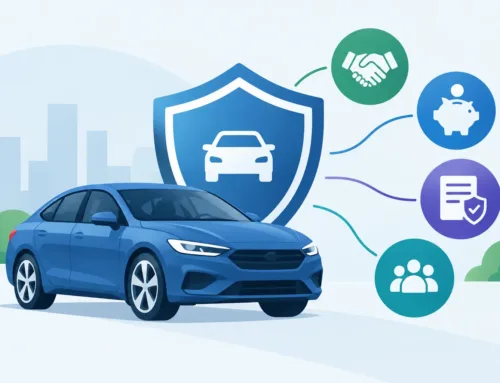
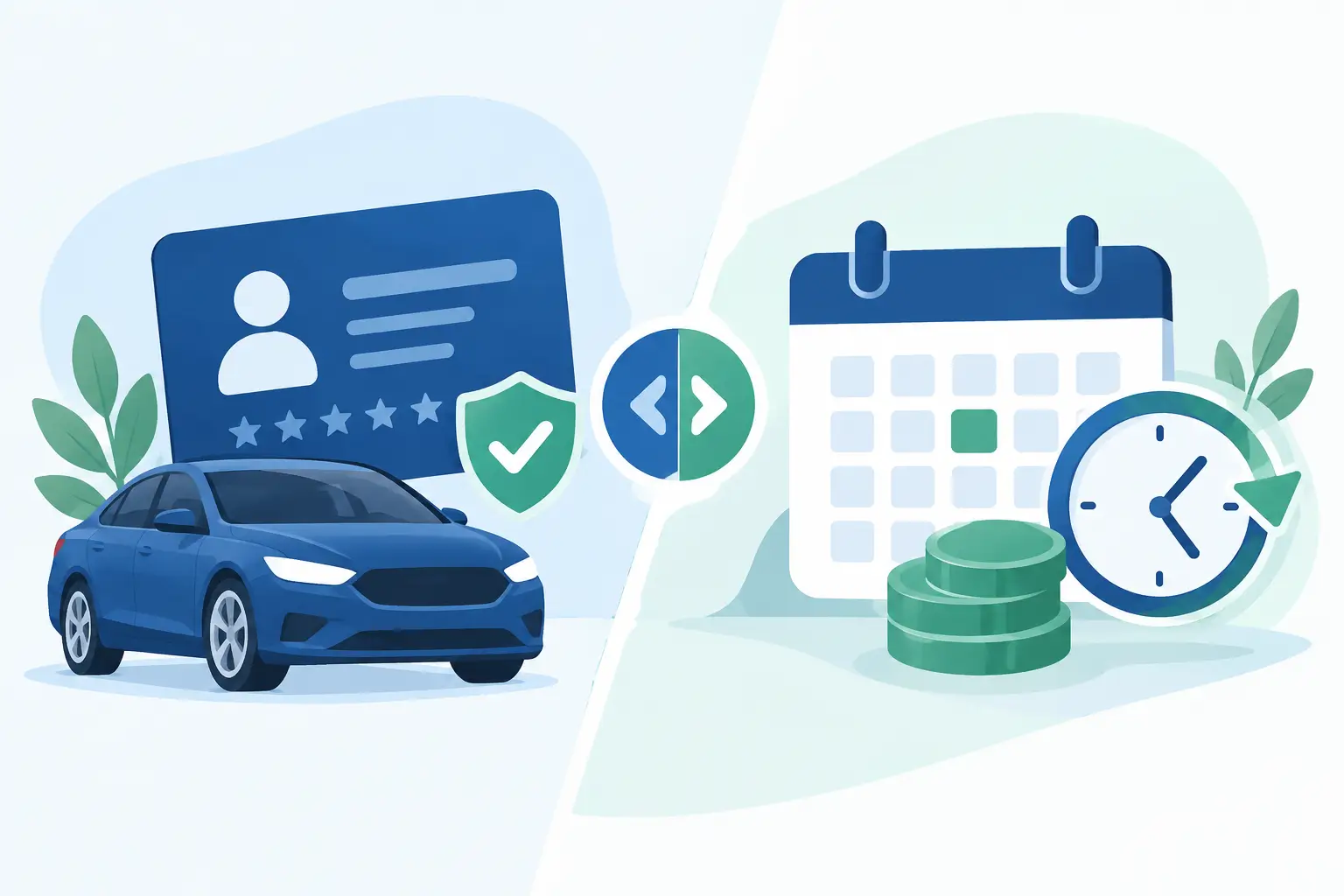
This is where a program like CPR For Cars fits naturally into a modern retention strategy. When a covered event leaves the vehicle unusable, reimbursement of the customer’s monthly payment creates immediate relief. Add first-year support for travel and miscellaneous expenses and potential funds toward a replacement vehicle after a total loss, and the product starts doing what many retention campaigns never can – it proves value at the exact moment loyalty is under pressure.
That is good for the customer, and it is good for the business. Protected customers are more likely to stay connected. Connected customers are more likely to return, repurchase, and speak positively about the dealership or finance partner behind the offer.
Implementation matters as much as the product
Even the best retention product can underperform if it is treated like a side item. Store leadership and program partners need a clear plan for presentation, training, and follow-through.
The first requirement is simple messaging. Sales and F&I teams need to explain the customer benefit quickly and consistently. The second is operational confidence. Teams should understand when the product fits, how it supports the buyer, and how it contributes to the store’s revenue and retention goals. The third is alignment. If leadership says retention matters but compensation only rewards immediate gross, adoption will always lag.
There is also a timing question. Some stores do better presenting retention-oriented products as customer protection tools during the primary transaction. Others may support them with follow-up ownership messaging. It depends on the business model, customer profile, and sales process. What does not work well is leaving the value story until after the customer already feels abandoned.
The dealerships that win will protect more than the sale
The market does not need more forgettable loyalty campaigns. It needs dealership customer retention programs that give buyers a real reason to stay loyal when vehicle ownership gets stressful.
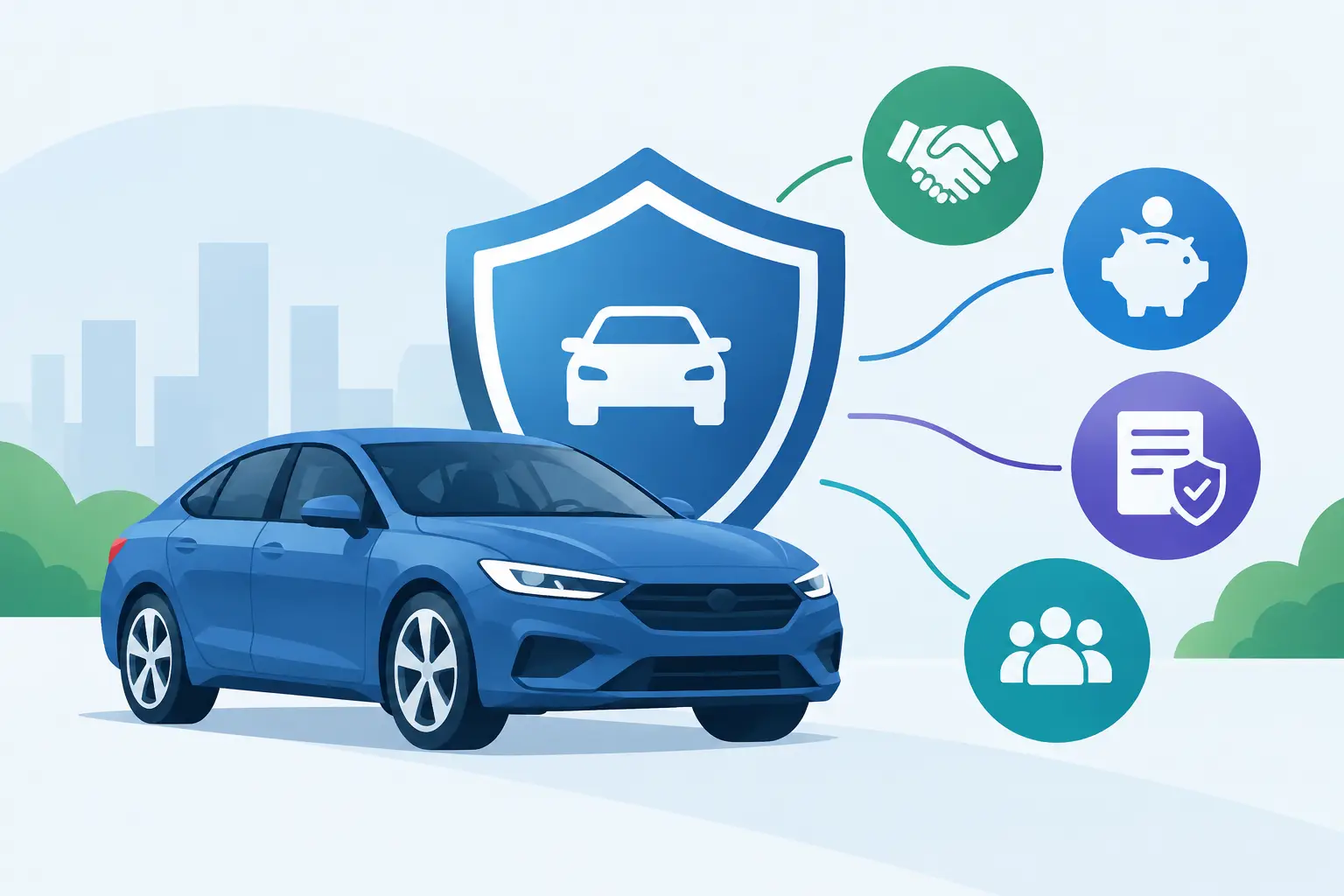
That is the standard now. Protect the customer’s mobility, protect payment stability, protect the service relationship, and protect the future sale. When one program can support all four, it stops being a nice add-on and starts becoming a serious growth tool.
The right retention strategy does not just keep your name in front of the customer. It keeps your business valuable to them after the deal is done.


Leave A Comment