
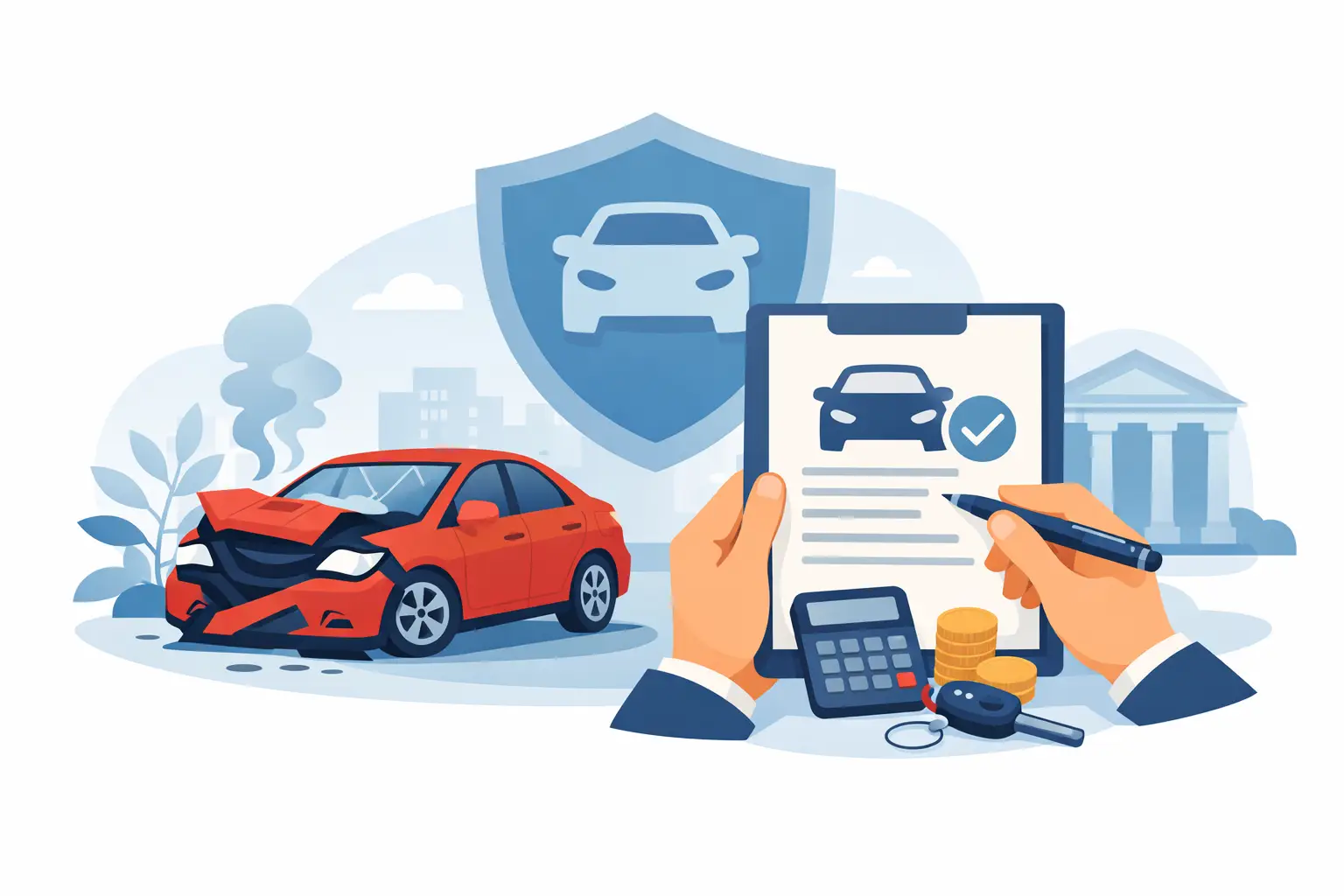
A vehicle is declared a total loss, the customer loses transportation, and the loan or lease payment is still due. For a lender, lessor, or dealer, that moment can quickly become a payment-risk and retention problem. Total loss assistance for financed vehicles gives automotive finance partners a practical way to support customers through the disruption while protecting portfolio performance and preserving the relationship after the loss.
The need is simple: an insurance settlement may address the vehicle’s value, but it does not always address the customer’s immediate cash-flow pressure, replacement-vehicle costs, or ability to keep making payments while the claim is resolved. A well-positioned membership benefit can fill part of that gap and give partners a differentiated, revenue-producing product to offer at the point of sale.
Why a Total Loss Creates More Than an Insurance Claim
A total loss changes the customer’s financial situation overnight. They may need a rental vehicle, rideshare transportation, time away from work, and money for a replacement down payment. Meanwhile, the existing payment obligation can remain in place until the account is paid off or the lease is settled.
That pressure affects more than the consumer. A borrower facing a transportation and cash-flow crisis is more likely to delay a payment, disengage from the lender, or shop elsewhere when it is time to replace the vehicle. The dealership may lose the replacement sale and the service relationship. The finance company may inherit unnecessary friction in an account that was performing before the loss.
Insurance and GAP products have specific roles, but neither automatically solves every ownership disruption. GAP may help when the insurance settlement is less than the loan payoff, subject to its terms. Collision or comprehensive coverage may pay the actual cash value of the vehicle. Neither should be presented as a substitute for a member-focused payment reimbursement program designed to help customers manage the financial interruption caused by a covered event.
What Total Loss Assistance for Financed Vehicles Should Deliver
For automotive partners, the strongest total loss assistance is easy to explain, meaningful to the customer, and operationally realistic for the sales and servicing teams. It should create a clear customer benefit without forcing F&I personnel to turn every presentation into a technical insurance discussion.
A vehicle payment reimbursement membership can support customers when a covered event leaves their vehicle unusable. Depending on the program terms, the member may receive reimbursement toward their monthly vehicle payment, helping reduce the strain while they address repairs, a claim, or a total loss. This matters because payment continuity is often the most immediate financial concern for both the customer and the account holder.
The value can extend beyond the monthly payment. CPR For Cars, for example, offers up to $500 for immediate travel and miscellaneous expenses in the first year and up to $1,000 toward a replacement vehicle after a total loss, based on the customer’s down payment with the original dealer. Those benefits give the customer a reason to return to the originating dealer rather than treating the total loss as the end of the relationship.
The program must be explained accurately. It is a non-insurance protection membership, not an auto insurance policy, a GAP waiver, or a promise to eliminate a remaining loan balance. Coverage conditions, reimbursement limits, eligibility requirements, and claim procedures should be clear in the membership agreement. Clear positioning builds trust with customers and helps partners maintain compliant, consistent presentations.
The Business Case for Lenders, Lessors, and Dealers
Total loss assistance is not simply a goodwill feature. It can be a strategic aftermarket product that connects customer care to revenue and retention.
For lenders and credit unions, a payment reimbursement benefit can support borrowers at the point when payment behavior is most vulnerable. It gives the institution a customer-centered story that goes beyond rate, term, and approval. When a covered event disrupts transportation, a member has a defined resource to turn to instead of facing the payment burden alone.
For leasing companies, the value is similar but the customer journey differs. A lessee who suffers a total loss may be uncertain about settlement, replacement transportation, and their next lease decision. Assistance that reduces immediate pressure can reinforce the lessor’s brand and improve the odds of keeping that customer within the program.
For new and used car dealers, the replacement-vehicle benefit is especially valuable. The customer has an incentive to reconnect with the original dealership when they need another vehicle. That creates a stronger opportunity to retain the sale, restore F&I revenue, and bring future service work back to the dealership’s service center.
Buy-here-pay-here operators also benefit from a product that recognizes real customer hardship while reinforcing payment continuity. A total loss can destabilize an otherwise workable customer relationship. A membership benefit provides a structured, documented way to offer support without relying entirely on ad hoc exceptions or collection activity.
Position the Product Around the Customer’s Real Moment of Need
The sales conversation should not begin with a broad claim that every total loss will be fully covered. It should begin with the disruption the customer understands: “If a covered event leaves your vehicle unusable, you may still have a payment due and immediate transportation expenses.”
From there, F&I managers can explain how payment reimbursement and applicable total-loss benefits may help the customer get through the gap. The strongest presentation is direct and outcome-based. Customers do not need a lecture on claims terminology. They need to understand what the membership is, when it may help, what documentation is required, and what it is not.
Training should focus on three points. First, distinguish the membership from insurance and GAP. Second, use the actual benefit limits and conditions approved for the program. Third, connect the benefit to the dealer or lender relationship: when the customer needs another vehicle, the original partner should be the first call.
This approach protects the customer experience and the business. Overpromising creates disputes, poor reviews, and compliance exposure. A clear, accurate explanation creates confidence and makes the benefit easier for customers to remember when they need it.
Build the Process Before the Claim Happens
A total loss assistance program only creates value if customers can use it when the event occurs. Partners should establish a simple internal workflow for identifying members, directing them to the appropriate claim process, and documenting communication without interfering with the insurance claim or loan servicing process.
Operational teams should know who answers initial questions, which documents may be needed, and how reimbursement timing relates to the customer’s scheduled payment date. F&I, servicing, collections, customer care, and dealership management should all use the same language. Conflicting answers can turn a protection benefit into a source of frustration.
It also pays to track results. Review attachment rate, member utilization, delinquency trends among participating accounts, replacement sales, and service-center return activity. Not every benefit will produce the same result in every portfolio. A prime lender, an independent dealer, and a BHPH operation will have different customer profiles and performance measures. The right program should be evaluated against the business outcomes that matter to that partner.
Make the Total Loss the Start of the Next Relationship
A total loss is a difficult event, but it does not have to be the point where the customer relationship ends. When finance and retail partners offer credible payment and replacement support, they show customers that their obligation is not being ignored when circumstances become difficult.
The strongest strategy is straightforward: protect customers during disruption, give them a practical path back to transportation, and keep the next vehicle transaction within your network. That is how total loss assistance becomes more than a benefit on a menu. It becomes a measurable tool for stronger relationships, healthier accounts, and a more resilient bottom line.









Leave A Comment