

A borrower can love the vehicle, value the dealership, and still become a retention risk when an accident, theft, or major repair takes that vehicle off the road. The payment does not automatically disappear when transportation does. For lenders and lessors, that gap between a disruptive event and the borrower’s ability to recover is where customer relationships, payment behavior, and future business can be lost.
This guide to automotive lender retention focuses on the practical work behind keeping customers connected to their vehicle finance provider through difficult ownership moments. Retention is not simply a marketing metric or a renewal conversation at the end of a term. It is a portfolio strategy that starts at origination, continues through servicing, and proves its value when the customer needs help most.
Why automotive lender retention deserves a portfolio-level strategy
Acquiring a new borrower costs money. So does replacing a lessee at the end of a term, rebuilding a dealer relationship after a customer defects, or working an account that falls behind because the customer is dealing with an unexpected vehicle event. Retention protects more than future originations. It can support payment continuity, preserve goodwill, and create a reason for the customer to return to the same finance and retail network.
The challenge is that lenders often have limited contact with customers after funding. The dealership delivers the vehicle and establishes the first ownership impression. The lender services the contract. Repair facilities solve immediate vehicle problems. If those experiences are disconnected, the borrower may see the finance company only as the party collecting a payment.
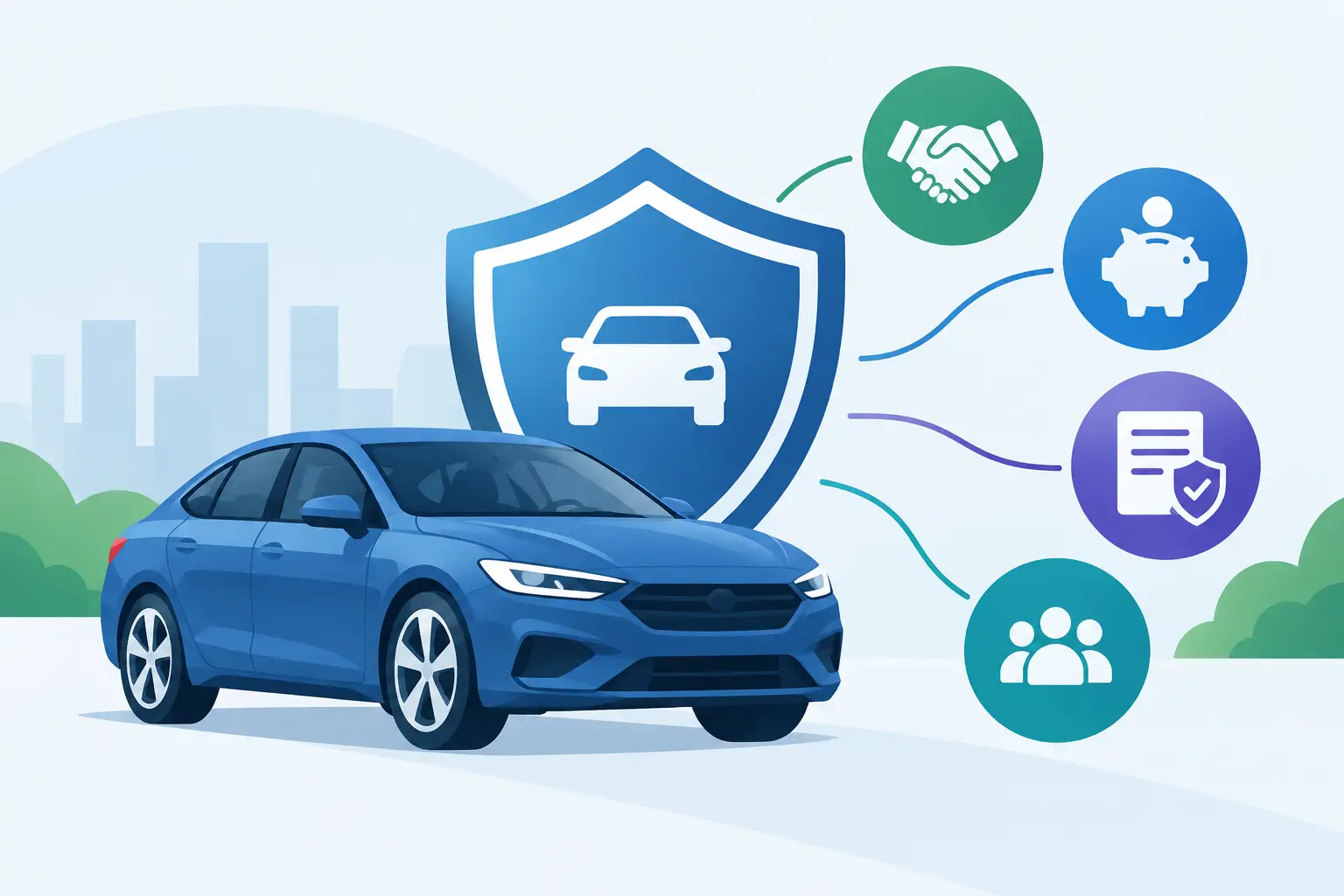
A stronger approach gives customers tangible value throughout the ownership cycle. When the vehicle is unavailable, customers need transportation options, help managing immediate costs, and confidence that a short-term disruption will not create a long-term financial problem. Programs that address those moments can reinforce the lender’s value in a way a standard payment reminder cannot.
Build retention into the deal, not after the problem
The best time to establish a retention advantage is while the customer is still deciding how to protect the purchase or lease. This does not mean adding products without a clear customer purpose. It means offering benefits that solve a recognizable ownership risk and can be explained simply by the F&I team, dealer, or lender partner.
A payment reimbursement membership is one example. When a covered event leaves the vehicle unusable, the program can reimburse a monthly vehicle payment, helping the customer maintain financial footing while dealing with repairs or a loss. That benefit speaks directly to a pressure point that affects both parties: the customer wants relief, while the lender wants to reduce the chance that a vehicle disruption becomes a payment disruption.
The offer should be positioned accurately. It is not traditional insurance, and sales teams should avoid presenting it as a substitute for an auto policy, GAP coverage, or a vehicle service contract. Its role is different. It is a membership designed to provide defined reimbursement and expense benefits during covered events. Clear expectations protect the customer experience and the partner’s reputation.
At CPR For Cars, the membership can also provide up to $500 for immediate travel and miscellaneous expenses in the first year, along with up to $1,000 toward a replacement vehicle after a total loss based on the customer’s down payment with the original dealer. Those benefits can give customers a reason to stay connected to the originating dealer rather than beginning their replacement-vehicle search elsewhere.
Create a connected lender, dealer, and service experience
Retention improves when the finance relationship does not feel separate from the retail relationship. A lender cannot control every repair, accident, or insurance claim, but it can work with dealer and program partners to create a clearer path for the customer when problems occur.
Start by defining who owns each customer touchpoint. The dealer or F&I office may introduce the membership at delivery. The lender may reinforce its availability in welcome communications. The administrator may handle claims and benefit questions. The dealership service center can become a logical destination when a vehicle needs attention. Each party needs to understand the customer journey, the eligibility rules, and how to direct a customer without making promises outside the program terms.
This coordination matters because confusion damages retention quickly. A customer who has to call multiple departments, repeat the same story, and wait for basic guidance is unlikely to view the lender relationship favorably. On the other hand, a clear process gives the customer a practical next step at a stressful time.
Train teams to sell the outcome, not the fine print
F&I managers and sales teams do not need a complicated script. They need an accurate, repeatable explanation of the customer value: if a covered event makes the vehicle unusable, the membership may help reimburse the monthly vehicle payment and assist with certain immediate expenses. It is protection against the financial disruption that can follow a vehicle disruption.
Training should also cover what the program does not do. Clear boundaries reduce misrepresentation, chargebacks, and customer complaints. Provide teams with approved language, simple examples, escalation contacts, and a process for documenting the customer’s enrollment. A product that is easy to explain is easier to sell consistently and easier for the customer to use with confidence.
Measure retention beyond delinquency
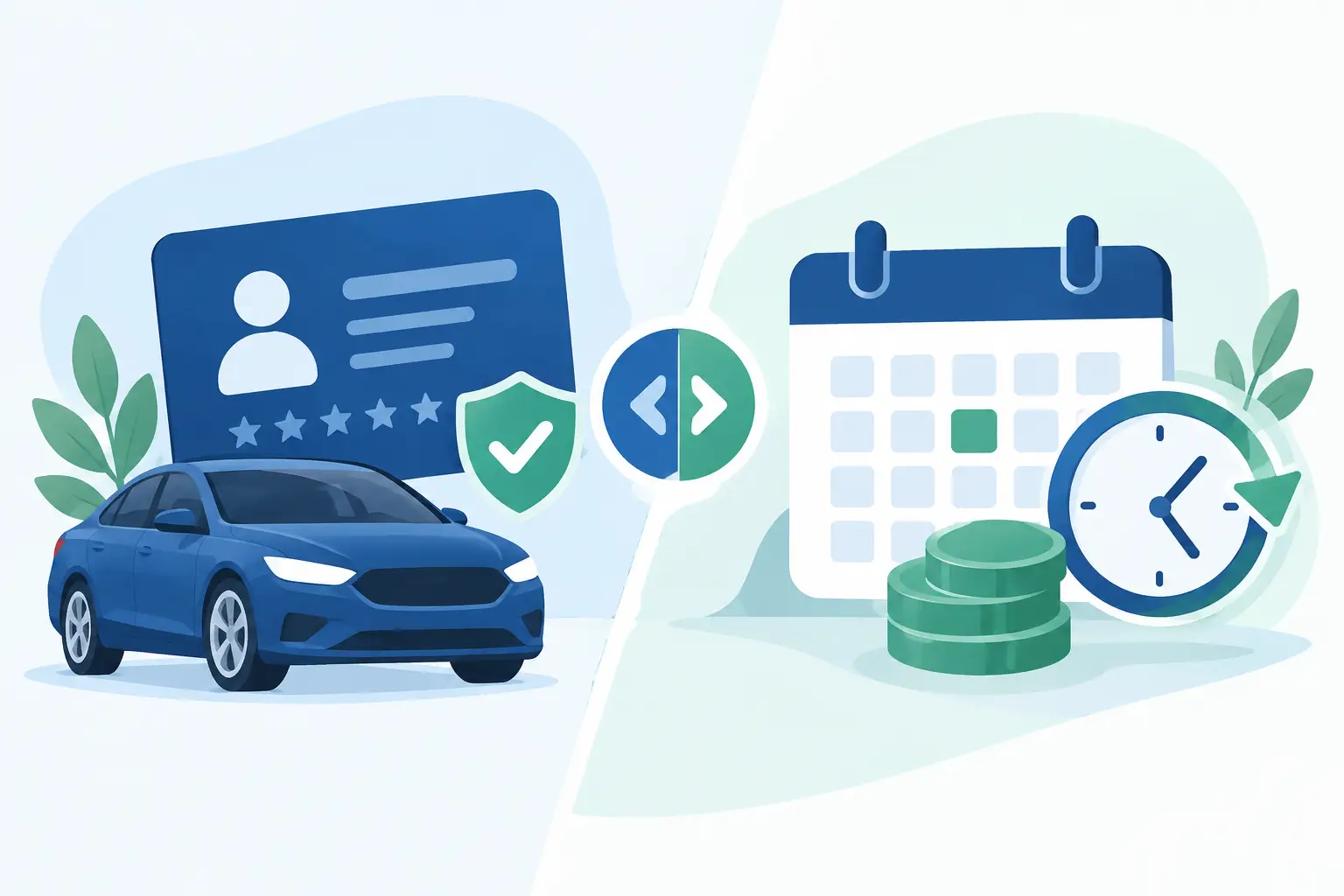
Delinquency is a critical portfolio measure, but it is not the whole retention picture. A lender can have an account remain current and still lose the customer at the next purchase, lease maturity, refinance opportunity, or replacement-vehicle event. The goal is to identify whether your protection strategy is improving relationship durability as well as account performance.
Track adoption rates by dealer, F&I manager, vehicle type, credit tier, and contract type. Then compare performance across enrolled and non-enrolled customers while accounting for differences in customer profiles. Look for changes in payment behavior after covered events, customer satisfaction signals, service-center return activity, repeat financing, lease renewal, and replacement-vehicle sales.
It is also worth measuring operational friction. How long does it take for a customer to understand the claim process? How many calls are transferred? Are dealership employees aware when a customer may have a benefit available? A strong benefit can lose its retention impact if the customer encounters avoidable obstacles when trying to use it.
Do not expect every metric to move at once. A lender with a primarily indirect portfolio may see improved dealer loyalty and customer satisfaction before seeing a clear lift in repeat originations. A buy-here-pay-here operation may focus more heavily on payment stability and repeat vehicle sales. A leasing company may prioritize renewal conversations and total-loss replacement behavior. The right scorecard depends on your model, but the retention objective remains the same: keep customers financially supported and commercially connected.
Protect margin while adding meaningful customer value
Retention programs must work financially. Decision-makers should evaluate the revenue opportunity, product cost, administrative requirements, cancellation patterns, claim experience, and dealer participation before rollout. The strongest ancillary products create value on both sides of the transaction. Customers receive a benefit they can understand, while lenders, lessors, and dealers gain a differentiated offering that can generate revenue and support long-term relationships.
Avoid treating the program as a one-time backend add-on. The value grows when it is integrated into the ownership experience. Include approved reminders in customer communications. Make sure servicing personnel know where to direct eligible customers. Encourage dealers to connect replacement-vehicle benefits with their sales process. Where appropriate, use service departments as a retention channel, not merely a repair destination.
There are trade-offs. More outreach can improve awareness but may create communication fatigue if it is not targeted. A highly customized dealer rollout may increase adoption but requires more training and oversight. A broad portfolio program can scale quickly, but it needs disciplined messaging so that customers receive the same clear explanation regardless of where they bought or financed their vehicle.
Make hardship response part of your retention promise
Customers remember the businesses that respond when ownership becomes difficult. They remember whether their lender, dealer, or lessor offered a practical solution or simply continued sending statements. That memory shapes future financing decisions, replacement-vehicle choices, reviews, referrals, and dealer loyalty.
The most effective automotive retention strategy is not built on vague promises of better service. It is built on a visible customer benefit, a clear operating process, and a financial model that protects the bottom line. Give customers help when their vehicle is unavailable, give teams a product they can explain with confidence, and give your portfolio another reason to keep the relationship moving forward.




Leave A Comment