
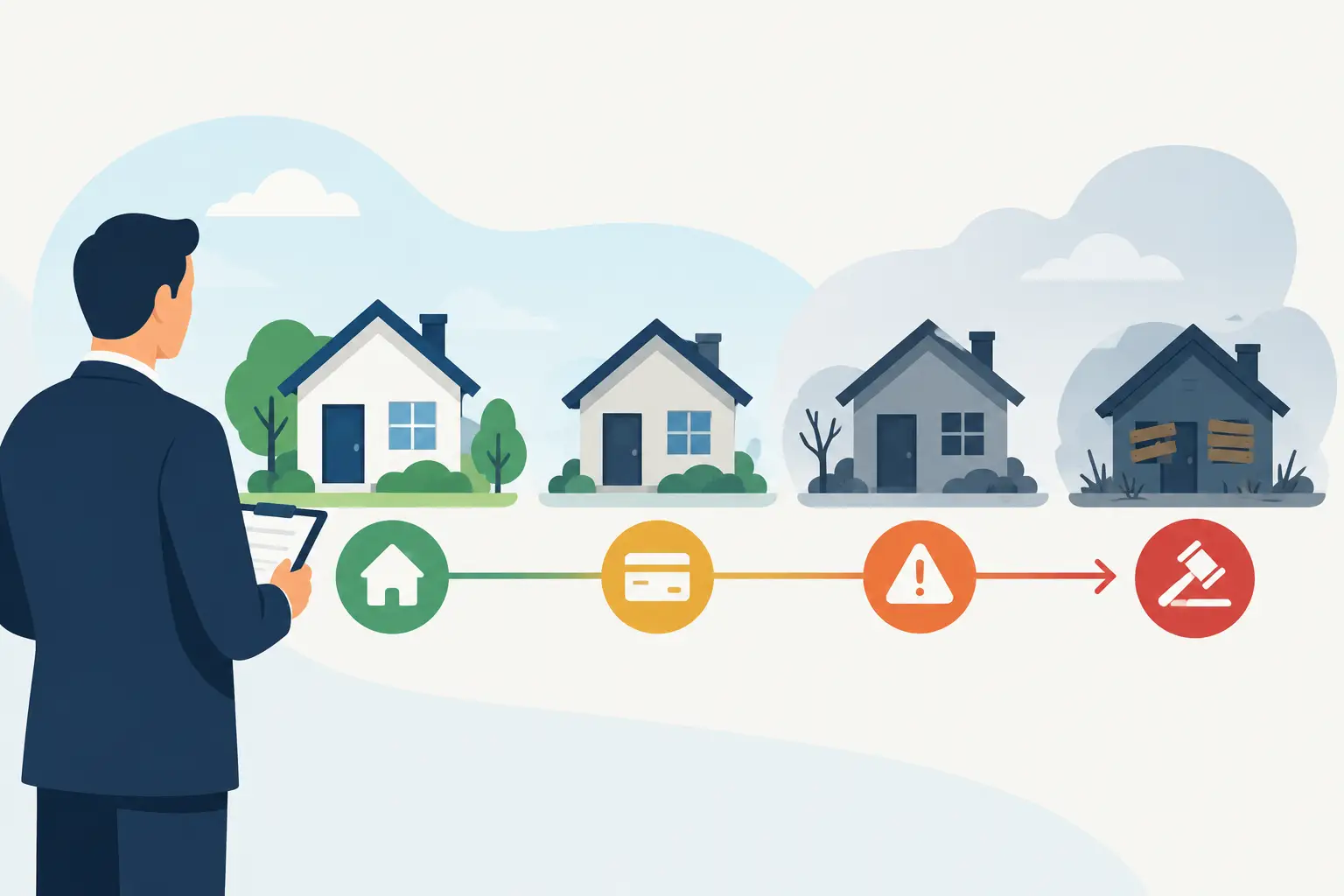
A borrower can intend to pay, value the vehicle, and still miss a payment after one disruptive event: a collision, a covered repair, or a total loss that removes the vehicle from daily use. That gap between willingness and ability is where lender delinquency outcomes are often decided. For automotive finance companies, leasing operators, banks, credit unions, and BHPH dealers, the question is not simply how to collect after a payment is missed. It is how to keep a short-term vehicle crisis from becoming a portfolio problem.
Delinquency is rarely just a number on an aging report. It can mean increased collection activity, higher servicing costs, customer frustration, negative reviews, lower retention, and a relationship that may never recover. The most effective portfolio strategies recognize that payment continuity deserves attention before an account reaches default status.
Why Lender Delinquency Outcomes Are Shaped Early
A vehicle is not a discretionary asset for most borrowers. It gets them to work, school, medical appointments, and family obligations. When that vehicle is unavailable, the borrower may face immediate replacement transportation costs, repair expenses, insurance deductibles, lost income, or all of them at once.
The monthly auto payment does not automatically disappear because the vehicle is sitting in a repair facility or has been declared a total loss. From the borrower’s perspective, though, the timing can feel impossible. They may be paying for rideshare trips or rental transportation while trying to keep current on an obligation tied to a vehicle they cannot drive.
That pressure changes payment behavior quickly. A customer who has paid on time for months or years may prioritize food, housing, transportation, and emergency expenses over the vehicle payment. By the time a lender’s collections team makes contact, the borrower may already feel behind, embarrassed, or disengaged.
Early payment support does not eliminate every delinquency. Borrowers experience hardship for many reasons, and underwriting, servicing, vehicle condition, insurance coverage, and local economic conditions all influence results. But when a payment disruption is connected to a qualifying vehicle event, a targeted benefit can address a real cause of the missed payment instead of treating every account as a collections issue.
The Cost of Treating Every Late Payment the Same
A delinquent account creates operational work long before it becomes a severe loss. Staff time goes into outbound calls, letters, payment arrangements, account monitoring, escalations, and recovery efforts. Those activities are necessary, but they are expensive and inherently reactive.
There is also a customer-experience cost. A borrower who feels unsupported during a vehicle emergency may not refinance with the same institution, lease again through the same captive program, or return to the originating dealership. Even when the account cures, the relationship can be weaker than it was before the event.
For dealers and BHPH operators, the consequences can be even more immediate. Payment disruption affects cash flow, inventory planning, collections capacity, and the long-term value of the customer relationship. A customer who needs help is not just a risk category. They are a buyer who may need their next vehicle, repair work, financing, or trade-in from the same business.
The practical goal is not to excuse payment obligations. It is to give eligible customers a credible path to stay current when a sudden vehicle event threatens their budget. That approach protects the customer while giving the lender or dealer a more constructive position in the relationship.
Payment Continuity Is a Portfolio Strategy
Lenders typically manage delinquency through credit policy, underwriting standards, payment reminders, hardship processes, collections workflows, and recovery controls. Those disciplines matter. Yet they work best when paired with products that help customers handle the specific disruptions that trigger missed payments.
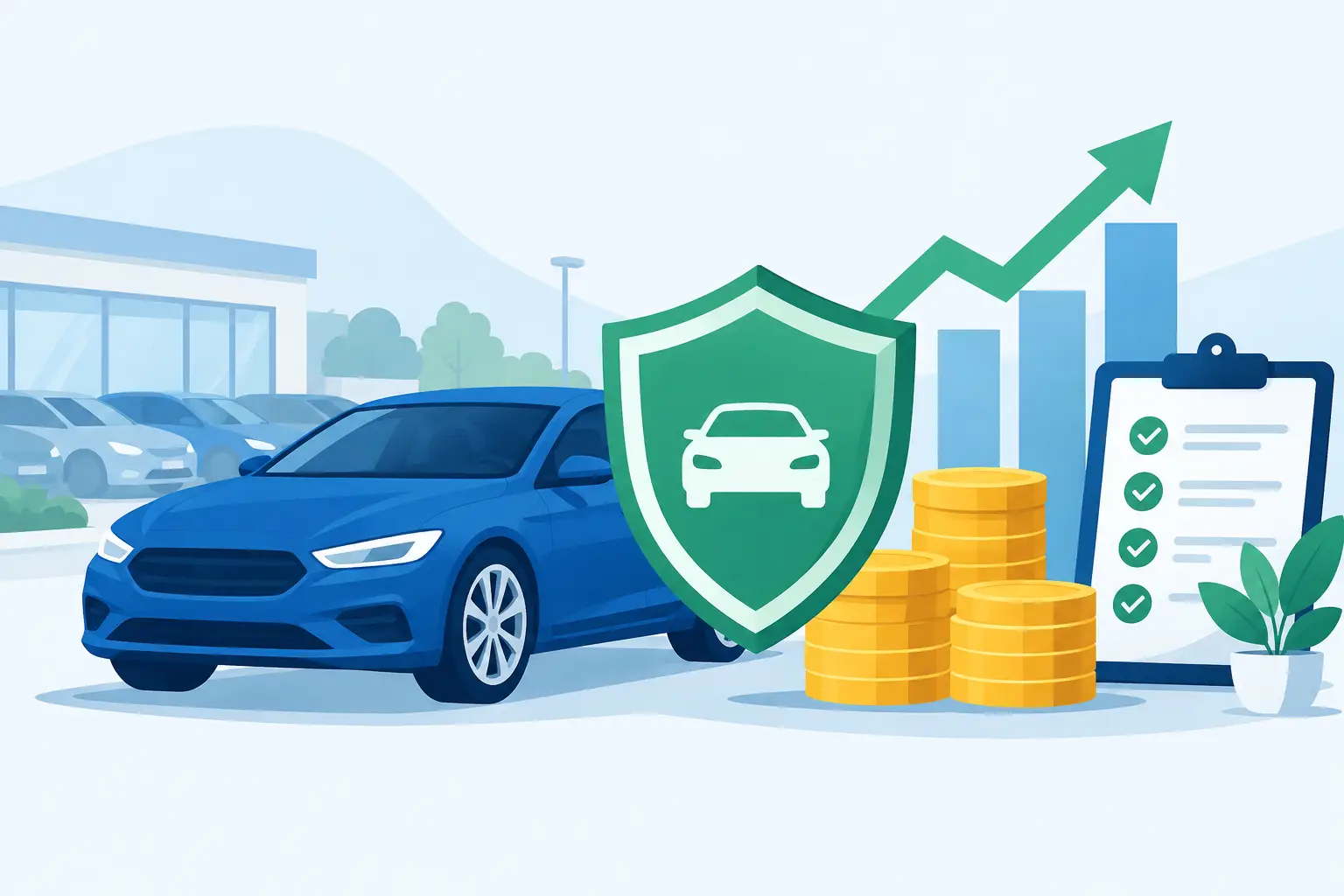
A vehicle payment reimbursement membership can fill that role when structured and administered properly. Rather than operating as traditional insurance, the membership is designed to reimburse a customer’s monthly car payment after a covered event leaves the vehicle unusable. It can also provide immediate travel and miscellaneous expense support in the first year and replacement-vehicle assistance after a total loss, subject to program terms and eligibility.
That combination matters because a borrower’s hardship is not limited to the loan or lease payment. The customer may need transportation today, while the payment date is approaching and the insurance or repair process is still underway. A benefit that addresses both short-term mobility expenses and payment continuity can reduce the pressure that leads to avoidable late payments.
For a lender, the value is not a guarantee of performance. No ancillary product should be presented that way. The value is a defined customer benefit that may help preserve payment capacity during a known disruption, while giving the lender a differentiated way to support account stability and retention.
What Strong Delinquency Protection Looks Like
The right program must be understandable at the point of sale and operationally credible after the sale. If F&I staff cannot clearly explain when the benefit applies, customers may not recognize its value. If claims or reimbursement steps are confusing, the program may not deliver the support customers expected when they need it most.
Start with a benefit that addresses a clear trigger: the customer’s vehicle is unusable because of a covered event. The customer should understand the available reimbursement, the timing requirements, the exclusions, and the documentation needed to request benefits. Clear program terms protect everyone involved, including the lender, dealer, and consumer.
Next, evaluate the customer experience around activation and reimbursement. A valuable benefit loses impact if it arrives after the missed payment has already become a serious delinquency. Program administration should support prompt, consistent communication so customers know what to do when an event occurs.
Finally, measure business performance without overstating causation. Compare participation rates, claims activity, payment performance trends, customer retention, and service-center return behavior where applicable. Segment results by portfolio type, loan age, customer profile, and event category. A new-car lease portfolio may show different patterns than a BHPH portfolio, so one broad benchmark rarely tells the whole story.
A Better Conversation at the Dealership and in F&I
Ancillary products perform better when they are presented as practical ownership protection, not as a rushed final-stage add-on. Customers understand the value quickly when the conversation is grounded in a simple scenario: “If your vehicle cannot be driven after a covered event, how will you handle your transportation costs and monthly payment?”
That question is direct because the problem is direct. It also gives F&I teams a responsible way to explain a product that can support the buyer beyond the day of delivery. The message is not that a customer will never face hardship. The message is that they can have help when a covered vehicle disruption puts pressure on their finances.
For dealership leadership, the business case extends beyond product revenue. A well-positioned membership can create another backend income opportunity while strengthening customer goodwill. When a customer receives support during a difficult moment, the dealership has a stronger chance of remaining their first call for repairs, replacement vehicles, and future purchases.
CPR For Cars is built around this model, offering a payment reimbursement membership that helps partners protect customers and their bottom line. The program gives automotive businesses a differentiated product to offer while keeping the value proposition centered on real-world financial relief.
Making the Program Work Across the Organization
Lender and dealer teams should align on how the program is positioned, documented, and supported. Sales teams need straightforward training. F&I managers need compliant talking points. Servicing and collections personnel should know how to identify customers who may have a qualifying vehicle event and direct them to the proper reimbursement process.
A few operating disciplines make a meaningful difference:
- Present the membership consistently, using approved explanations and clear disclosures.
- Capture accurate customer and vehicle information at enrollment to reduce avoidable delays later.
- Give servicing teams a simple escalation path when a customer reports an accident, repair-related loss of use, or total loss.
- Review participation, reimbursement activity, delinquency trends, and customer feedback on a regular schedule.
The strongest results come from coordination, not from simply placing a product on a menu. A program that is sold well but poorly understood by the service or collections team can leave value on the table. Conversely, a team that understands the customer benefit can turn a difficult call into an opportunity to preserve the relationship.
Protect the Payment Before It Becomes a Problem
Improving portfolio performance does not always require a more aggressive collections posture. In many cases, it requires recognizing the moment when a good customer is most likely to need help. Vehicle disruption is one of those moments.
Give customers a practical resource before the next unexpected event tests their budget. When payment protection, travel support, and replacement assistance are explained clearly and administered responsibly, lenders and automotive retailers can create a better outcome for the borrower and a stronger foundation for the business relationship.






Leave A Comment