
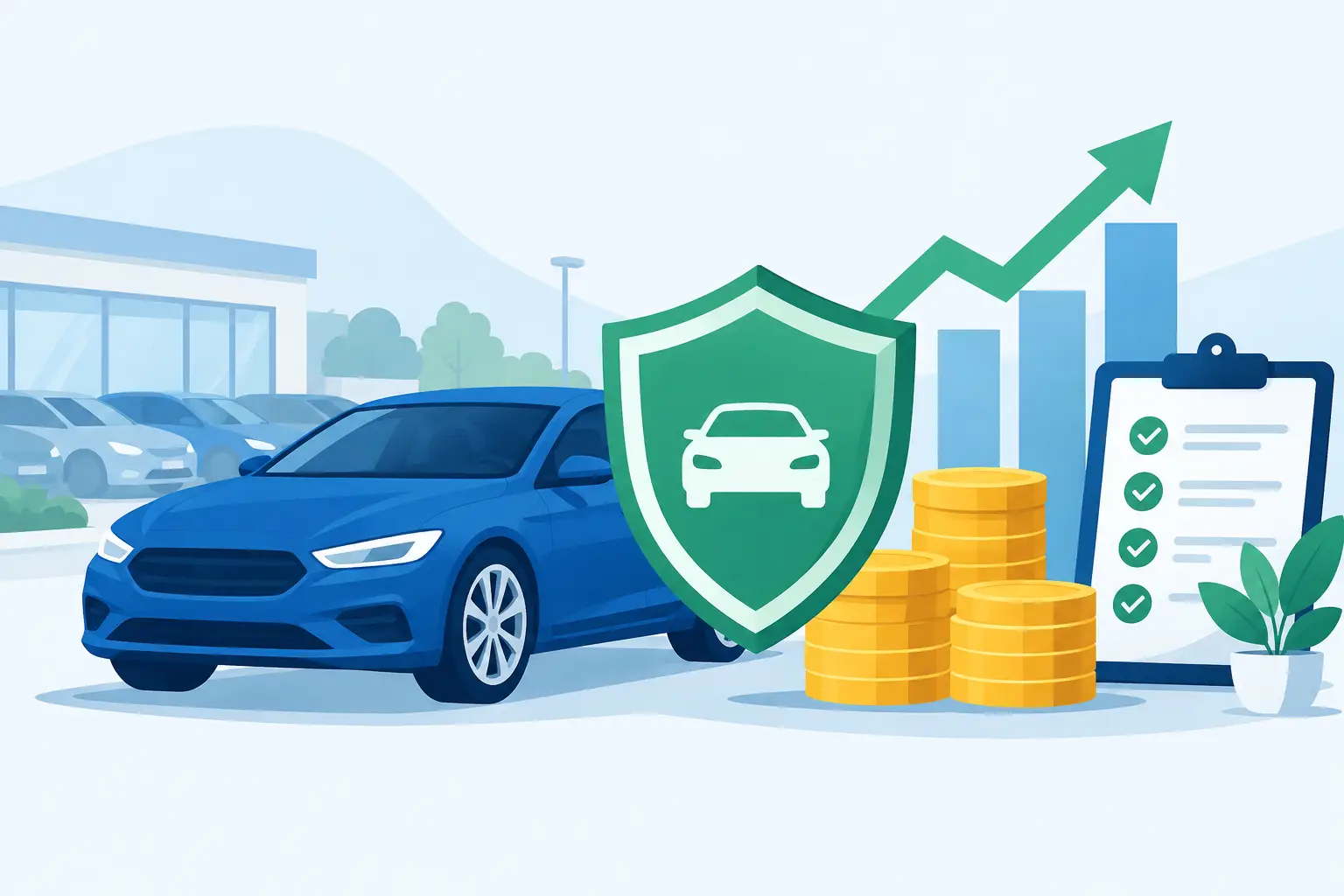
A customer can be current for months, then one accident, mechanical failure, or theft changes the payment conversation overnight. The vehicle is unavailable, transportation costs rise, work schedules are disrupted, and the monthly payment still arrives. For lenders, lessors, and dealers, learning how to reduce auto delinquencies means addressing that disruption before it becomes a missed payment, a collection call, or a damaged customer relationship.
Delinquency management is not only a back-end collections function. It starts at the point of sale, continues through servicing, and depends on whether customers have realistic options when their vehicle becomes unusable. The strongest programs protect payment continuity while giving customers a reason to stay engaged with the dealership, lender, or lease provider that financed their mobility.
Why Auto Delinquencies Start Before a Payment Is Missed
Most customers do not begin a vehicle purchase expecting to fall behind. Delinquency often follows a practical cash-flow problem: an unexpected repair, an accident-related disruption, a total loss, a job interruption, or the added cost of getting to work while the vehicle is down. A borrower may have the willingness to pay but not enough immediate liquidity to cover the payment and the disruption at the same time.
That distinction matters. Treating every late payment as a collections issue can overlook the actual cause. A customer who cannot use the vehicle but still owes for it may feel stranded, frustrated, and less likely to respond positively to standard reminder notices. The longer the issue goes unaddressed, the more expensive it becomes for the portfolio and the harder it becomes to preserve goodwill.
For BHPH operators, the pressure can be especially immediate. A missed weekly or biweekly payment can quickly affect cash flow and inventory planning. For banks, credit unions, captive lenders, and leasing companies, a growing delinquency rate can increase servicing costs, strain loss reserves, and weaken a portfolio’s overall performance.
How to Reduce Auto Delinquencies With Payment Continuity
The practical answer to how to reduce auto delinquencies is to build a payment-continuity strategy around the moments when customers are most likely to experience financial interruption. This requires more than sending earlier reminders. It means combining disciplined underwriting and servicing with customer-facing protection products that provide relief during covered vehicle events.
A payment reimbursement membership can be a meaningful part of that strategy. When a covered event leaves a customer’s vehicle unusable, reimbursement for the monthly payment helps reduce the immediate choice between maintaining the auto obligation and paying for transportation, repairs, or household necessities. That is a customer benefit, but it is also a portfolio-performance tool.
CPR For Cars is designed around this exact gap. The membership reimburses a customer’s monthly car payment when a covered event leaves the vehicle unusable. It also provides up to $500 for immediate travel and miscellaneous expenses in the first year, along with up to $1,000 toward a replacement vehicle after a total loss based on the customer’s down payment with the original dealer. It is a non-insurance membership product built to support customers when disruption threatens payment behavior.
The trade-off is straightforward: no ancillary product should be presented as a substitute for sound underwriting, transparent terms, or responsive servicing. Payment-continuity products work best when they are part of a broader operating plan, not when they are expected to solve every source of financial hardship.
Build Prevention Into the Deal Structure
A delinquency strategy begins with a deal the customer can realistically carry. That means evaluating income consistency, payment-to-income pressure, down payment quality, vehicle condition, term length, and the true cost of ownership. Stretching an approval may increase short-term volume, but it can also create an account with little room for an ordinary disruption.
Dealership F&I teams can help by framing protection around a recognizable ownership risk. The discussion should not rely on vague fear or a last-minute add-on pitch. A customer should understand what happens if the vehicle is unavailable, what support may apply, and how that support can help maintain their financial commitment. Clear presentation creates better expectations and reduces future disputes.
For lenders and lessors, consistency matters. Establish approved scripts, disclosures, enrollment procedures, and documentation standards. A product with real customer value can still underperform if staff cannot explain it clearly or if customers do not know how to use it when a covered event occurs.
Detect Trouble Early and Make Contact Useful
The first payment is an early indicator, but it should not be the only one. Monitor partial payments, recurring due-date changes, declined payment methods, skipped insurance-related communications where applicable, repeated service concerns, and customer contact changes. These signals do not automatically mean a borrower will default. They do create an opportunity for proactive outreach.
The best outreach is specific and useful. Instead of a generic message demanding payment, give the customer a direct path to explain the issue and identify available assistance. If a vehicle has been damaged, stolen, or sidelined by a covered event, the servicing team should know how to route the customer to the appropriate reimbursement process quickly.
Speed matters because disruption expenses multiply. A customer paying for rideshare trips, rental transportation, missed work, or emergency repairs may delay contacting the lender out of embarrassment or uncertainty. A calm, solutions-focused response can keep the account from moving deeper into delinquency while reinforcing that the finance partner is invested in the customer’s recovery.
Give Collections and Service Teams a Shared Playbook
Collections, servicing, dealership service departments, and F&I teams often see different parts of the same customer problem. When those groups operate in isolation, a customer may receive a collection notice while also trying to resolve a vehicle issue through the dealership. That experience damages trust and makes payment recovery more difficult.
Create a shared playbook for accounts affected by vehicle downtime. It should define how teams verify the event, identify eligible membership benefits, document customer contact, set follow-up dates, and communicate with the account owner. Keep the process simple enough that frontline employees can use it without unnecessary transfers or delays.
Service-center coordination is especially valuable for dealership groups. When customers return to the original dealer for vehicle-related needs, the dealer has a stronger opportunity to maintain the relationship, support the repair experience, and preserve future sales and service business. The goal is not merely to collect a payment. It is to keep a customer connected to the business that earned the deal.
Measure Results Beyond the Delinquency Rate
A lower delinquency rate is the central goal, but leadership should measure the full business impact. Track early-stage delinquency, cure rates, roll rates, charge-offs, payment performance after a covered event, membership penetration, claim or reimbursement utilization, service return visits, and retained customer relationships.
Segment the results by dealership, lender channel, vehicle type, loan term, and customer profile. A strategy that performs well in a prime credit-union portfolio may need a different workflow in a BHPH environment. Likewise, an operator with strong automated payments may see the greatest benefit from rapid event identification, while another may need better point-of-sale enrollment and customer education.
Do not evaluate a protection program only by attachment rate. High penetration without clear presentation, customer understanding, and an efficient reimbursement process will not produce the portfolio or loyalty benefits partners expect. The right metric is durable performance: customers receive meaningful help, accounts stay more current, and the business gains a differentiated source of revenue and retention.
Make Protection a Profit and Retention Strategy
Auto delinquency reduction does not require choosing between customer care and commercial performance. The two are connected. When customers have support during a disruptive vehicle event, they have a better chance to remain current. When they remain current, lenders protect portfolio quality, dealers preserve goodwill, and finance teams reduce avoidable collection friction.
The strongest partners do not wait for a missed payment to prove their value. They put a clear payment-continuity plan in place before the keys leave the lot, then make that plan easy to access when a customer’s vehicle – and budget – are under pressure.






Leave A Comment