

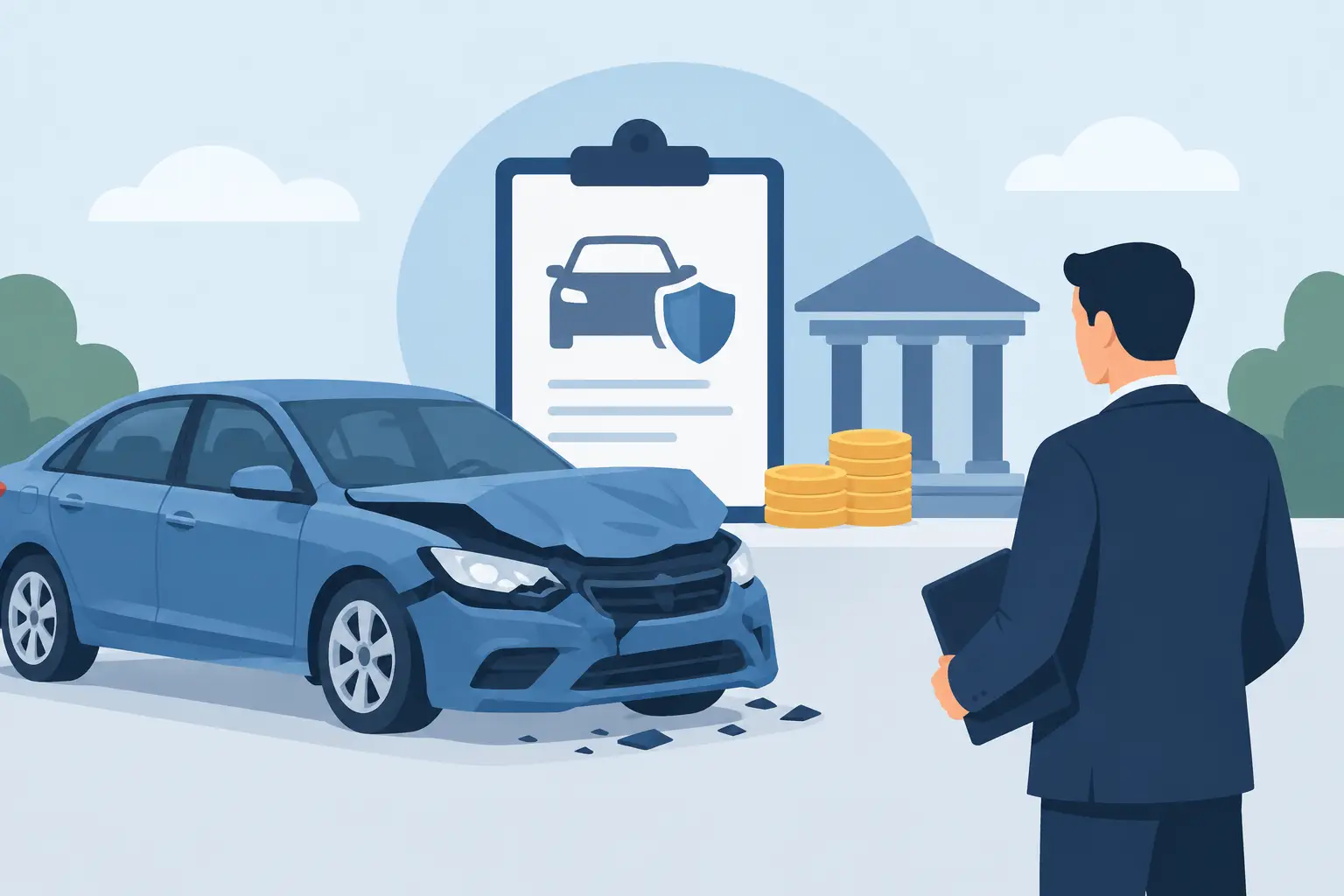
A lender case study on borrower retention improvement rarely starts with a flashy marketing campaign. It starts when a borrower’s vehicle is suddenly unusable, the repair estimate is larger than expected, and a car payment is still due. For the lender, that moment can become a preventable strain on payment behavior, customer confidence, and future business.
Vehicle breakdowns, collisions, and total losses do more than disrupt transportation. They can force borrowers to choose between a monthly payment, a rental car, rideshare costs, repairs, and ordinary household obligations. A lender that helps customers manage that disruption has an opportunity to protect payment continuity while giving borrowers a reason to stay with the institution when it is time for their next vehicle.
The Retention Problem Was Not Just Delinquency
Consider a representative indirect auto lender serving a mix of near-prime and non-prime borrowers through dealership relationships. The lender had disciplined underwriting, established collections practices, and competitive rates. Yet portfolio reviews kept revealing a familiar pattern: customers who experienced a major vehicle disruption were more likely to call in distress, miss payments, seek refinancing elsewhere, or leave the lender relationship after payoff.
The issue was not that every borrower with a repair event became delinquent. Many kept paying. But they often did so while absorbing costs that damaged their overall experience with the lender. From the borrower’s perspective, the finance company continued collecting the payment while the vehicle that justified the payment was sitting in a shop, declared a total loss, or waiting on parts.
That perception matters. Retention is not only a question of who pays on time this month. It is also a question of who remembers the lender as a partner rather than another bill when the next financing decision arrives.
The lender’s leadership identified three business risks. First, a vehicle-out-of-service event could create short-term payment pressure. Second, the collections team was spending time on borrowers whose core problem was temporary transportation and repair expense, not a long-term inability to pay. Third, the lender had no distinct customer-care benefit that a dealer could present at delivery to reinforce the value of financing through its program.
The Program Strategy: Support the Payment, Protect the Relationship
Rather than changing its credit policy or trying to solve every hardship event internally, the lender evaluated an optional membership product built around vehicle-payment disruption. The goal was practical: provide an added layer of customer relief when a covered event leaves a vehicle unusable, while creating a differentiated benefit that supports lender and dealer retention goals.
The resulting program could reimburse a customer’s monthly car payment when a covered event put the vehicle out of service. It also included up to $500 for immediate travel and miscellaneous expenses during the first year and, after a total loss, up to $1,000 toward a replacement vehicle based on the customer’s down payment with the original dealer.
For borrowers, the offer was easy to understand. If a covered event disrupts use of the vehicle, the membership can help address the payment and the immediate costs of getting around. For the lender, the value was equally clear: a customer facing an unexpected crisis has a defined source of assistance connected to the obligation that matters most to the portfolio.
This is where CPR For Cars fits the automotive finance conversation. It is a non-insurance membership program designed to help partners protect customers and their bottom line during disruptive vehicle events. The program is not a substitute for sound underwriting, servicing, or collections. It is a revenue-generating aftermarket offering that can strengthen the customer experience at precisely the moment ordinary financing products feel least supportive.
Lender Case Study: Borrower Retention Improvement in Practice
The lender introduced the membership through a selected group of dealer partners rather than rolling it out across every location at once. That decision reduced training risk and made it easier to compare adoption, customer calls, and servicing outcomes against the broader book.
F&I teams were trained to present the membership as payment protection tied to real-world vehicle disruption, not as a vague bundle of benefits. The message was direct: a covered incident can take away access to the vehicle, but it should not automatically force a customer to absorb both transportation costs and a monthly payment alone.
The lender’s servicing team also received a concise reference process. When a participating borrower reported that a vehicle was unusable, representatives could identify the membership, explain the next step, and direct the customer toward the claims process. This did not eliminate the need for normal account servicing. It did give agents a more productive answer than simply restating the due date.
Within the first several months, the participating dealer group reported stronger engagement during F&I presentations because the benefit addressed a concern customers immediately recognized. Dealer managers also saw an advantage beyond the initial sale. A total-loss benefit tied to the original dealer’s down payment helped create a reason for customers to return to the same retail relationship when replacing a vehicle.
For the lender, the most meaningful improvements were operational rather than headline-grabbing. Servicing conversations with affected borrowers could shift from conflict toward resolution. Borrowers had a defined benefit to pursue when a covered event occurred. And dealer partners had a product that differentiated the financing experience without reducing the lender’s focus on payment performance.
No responsible lender should claim that one membership will eliminate delinquency or guarantee loyalty. Borrower retention depends on credit quality, service quality, rate competitiveness, dealer treatment, claim experience, and the customer’s broader financial position. But a well-presented payment reimbursement benefit can reduce one of the sharpest friction points in auto finance: paying for a vehicle that cannot be driven.
Why Retention Gains Depend on Execution
The membership itself is only part of the strategy. The lender in this scenario learned that borrower retention improvement depends on whether the program is understood before a crisis occurs and accessible when it does.
First, dealership presentation must be accurate. Sales and F&I personnel should explain that the program is a membership with covered-event requirements, reimbursement terms, and defined benefit limits. Overselling a product creates disappointment and compliance exposure. Clear positioning builds the trust that makes the benefit valuable later.
Second, lender servicing teams need visibility. If a customer calls after an accident or mechanical event and the representative cannot identify the membership or explain the path forward, the retention opportunity can disappear. A simple internal process, supported by appropriate program materials, helps turn a stressful call into a customer-care moment.
Third, claims communication must be prompt and practical. Customers dealing with a disabled vehicle do not need jargon. They need to know what documentation is required, what benefit may apply, and what happens next. The faster that path is understood, the more likely the program is to reinforce goodwill.
Finally, partners should measure what matters. Instead of evaluating the membership only by units sold, lenders can monitor enrollment by dealer, inquiries from enrolled borrowers, payment outcomes after a covered event, repeat financing behavior, and dealer service-center or replacement-vehicle return activity. These measures create a more complete view of portfolio value.
The Business Case for Lenders and Dealers
An optional payment reimbursement membership creates a shared-interest model. The dealer gains an additional F&I revenue opportunity and a customer benefit that can support return traffic. The lender gains a differentiated product that addresses payment disruption and supports account retention. The borrower gains meaningful relief at a time when an unexpected vehicle event can destabilize a household budget.
The trade-off is that partners must commit to responsible rollout. Enrollment strategy, training, disclosures, claims expectations, and reporting all need attention. For a lender with a highly standardized direct-to-consumer model, implementation may look different than it does for a lender whose originations flow primarily through independent dealers. For buy-here-pay-here operators, the strongest value may be reducing hardship conversations and reinforcing repeat purchase relationships. For banks and credit unions, it may be deepening member loyalty through a tangible vehicle-finance benefit.
The common thread is simple: customers remember who helped when their transportation failed. A lender that offers meaningful support during that moment is not merely protecting a payment. It is earning a stronger position in the borrower’s next financing decision.
The next portfolio review is a good place to ask a direct question: when a customer’s vehicle becomes unusable, does your organization offer a path to relief that protects both the customer relationship and the payment behind it?





Leave A Comment