
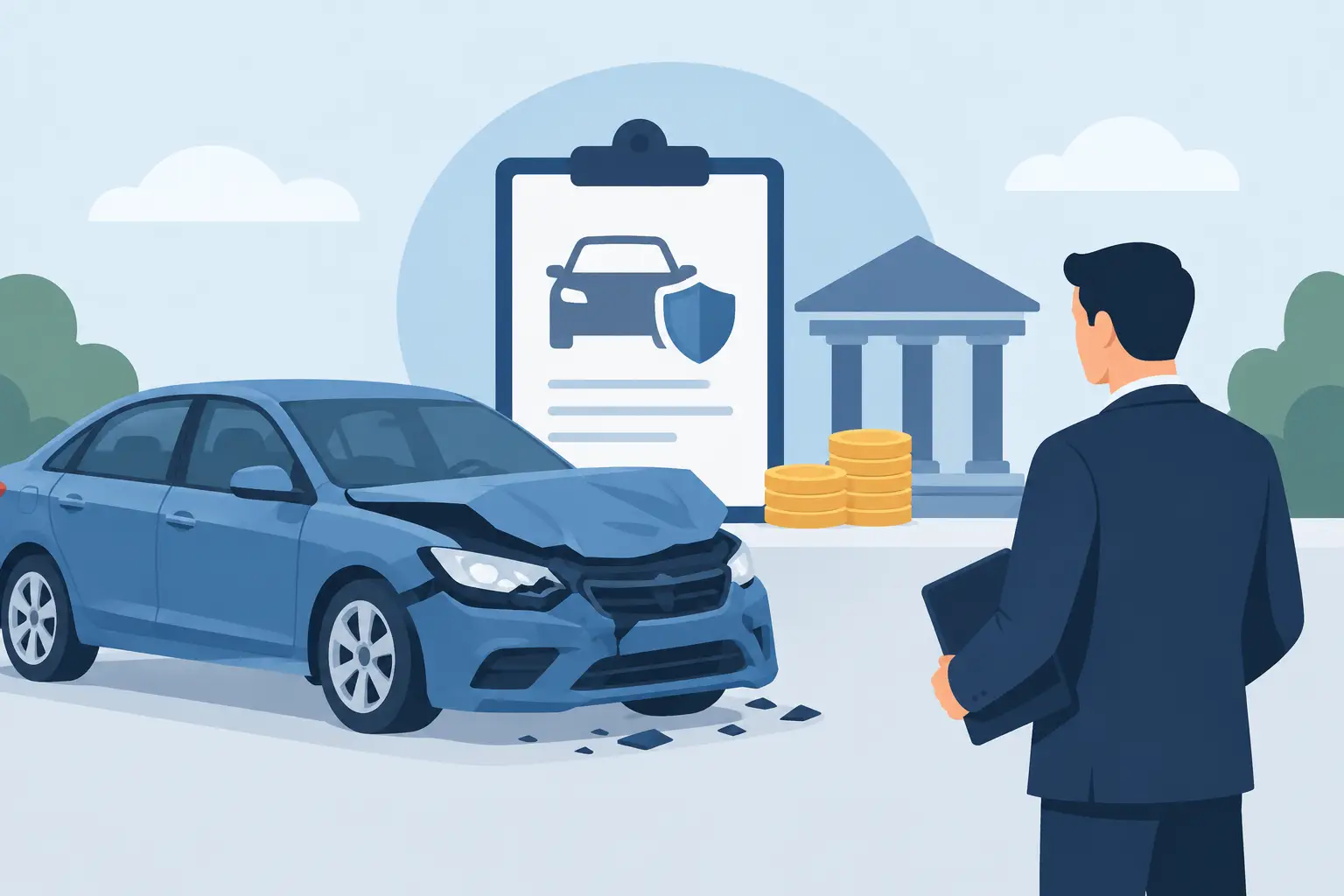
A total loss can turn a performing auto account into a payment-risk event in a matter of days. Understanding how lenders handle total loss situations helps finance companies, leasing operators, and dealers protect their customers while preserving payoff accuracy, portfolio performance, and future business.
The insurance carrier may declare the vehicle a total loss, but the lender still has a live contract, a lien to release, and a borrower whose transportation and financial stability may be under pressure. A clear, customer-focused process is not just good service. It is a practical way to reduce confusion, avoid avoidable delinquency, and keep the customer connected to the dealership or lending relationship.
How Lenders Handle Total Loss Claims
When an insurer determines that a damaged or stolen vehicle is a total loss, the lender’s role is generally to confirm the payoff amount, work with the insurer on lienholder documentation, apply the settlement funds to the account, and release the lien once the balance is satisfied. The exact workflow varies by state, loan terms, title status, insurer requirements, and whether the account involves a lease or retail installment contract.
The customer usually starts the insurance claim, but the lender is named as lienholder on the vehicle’s title and insurance policy. That means the insurer commonly contacts the lender to verify where the settlement check should be sent and to obtain a current payoff quote. The payoff is not always the same as the customer’s next scheduled payment or the balance displayed on an older statement. It may include accrued interest, fees permitted by the contract, and adjustments through a specified payoff date.
For lender operations teams, speed and precision matter. A delayed payoff quote, misplaced title document, or unclear communication can extend the claim process. Meanwhile, the customer may still be trying to get to work, arrange alternate transportation, and understand whether another payment is due.
The settlement check goes to the loan first
In most financed total-loss claims, the insurer issues payment to the lienholder, often with the borrower listed as a co-payee. The lender applies those proceeds to the outstanding payoff amount. If the insurance settlement is greater than the payoff, the remaining funds generally belong to the customer after the loan is closed and applicable title requirements are met.
If the settlement is less than the payoff, the account has negative equity after the loss. This is where the customer experience can deteriorate quickly. The borrower may owe the remaining balance out of pocket unless a separate guaranteed asset protection product, commonly called GAP, covers some or all of the shortfall under its terms.
Lenders should avoid treating every total loss as a simple check-processing event. The financial outcome for the customer can affect payment behavior on other accounts, future financeability, loyalty, and the likelihood that the customer returns to the originating dealer for a replacement vehicle.
The Payment Obligation Usually Continues
One of the most common borrower misunderstandings is the belief that an insurance claim automatically pauses the vehicle payment. It often does not. Until the loan is paid in full, the customer remains responsible for making scheduled payments according to the contract unless the lender formally agrees otherwise.
That reality creates a pressure point. A borrower may be paying a note on a vehicle they cannot drive while waiting for an insurance inspection, valuation decision, settlement payment, or title processing. Even when the claim is eventually resolved, the disruption can create a late payment, a hardship request, or a strained relationship with the lender and dealer.
A disciplined servicing approach gives customers direct answers: whether payments remain due, what the current payoff is, what documents are needed, who is handling the claim, and what happens if the insurance settlement does not satisfy the account. Clear language protects the lender from inconsistent service and protects the customer from making assumptions that lead to delinquency.
For lease portfolios, the process can be more complex. The lessor owns the vehicle, and the customer may have obligations tied to early termination, excess wear treatment, or the lease-end balance. Lease customers need an equally clear explanation of what the settlement resolves and whether any amount remains due.
Where the Process Can Break Down
Total loss claims do not all move at the same speed. A clean title, an agreed valuation, and a responsive insurer can make the payoff process relatively straightforward. Disputes over actual cash value, missing keys, delayed police reports, title issues, or suspected fraud can extend the timeline significantly.
There are also situations where the vehicle is totaled but the customer is not at fault. That does not necessarily accelerate the lender’s payoff. The customer may be dealing with another driver’s carrier, and liability investigations can take time. During that period, payment continuity becomes a real operational concern.
For lenders and dealers, the key risk is not only the unpaid balance. It is the loss of customer confidence at the exact moment the customer needs a replacement vehicle. If the customer feels abandoned between the insurance claim and the next purchase, the business may lose both the account relationship and the next sales opportunity.
Why Total Loss Support Matters to Portfolio Performance
A lender cannot control an insurer’s valuation or a customer’s accident, theft, or weather event. It can control how prepared its servicing team is and whether it offers customers meaningful support during a vehicle-disabling event.
That support has commercial value. It can reduce payment disruption, help customers stay engaged through a stressful claim, and create a more natural path back to the originating dealer when they are ready to replace the vehicle. For dealerships, that can mean additional service-center connection, stronger F&I differentiation, and a better chance of retaining the customer rather than sending them into the market cold.
This is why ancillary product strategy should look beyond traditional protection products. GAP addresses the potential balance shortfall after a total loss. It does not typically reimburse the customer’s regular vehicle payment while the claim is being processed, cover immediate travel needs, or create a replacement-vehicle incentive. Those are separate customer pain points, and they can affect both repayment behavior and retention.
Building a Better Total Loss Experience
The strongest programs create alignment among the lender, dealer, insurer, and customer. That starts with an internal process for quickly delivering payoff information and documenting settlement funds. It also requires frontline teams to know the difference between an insurance settlement, a GAP claim, payment assistance, and a replacement-vehicle conversation.
Partner-facing education should be specific. F&I teams and account representatives should be able to explain what happens after a total loss without overpromising what insurance will pay or how long a claim will take. Servicing teams should know where to route questions and how to identify customers facing a temporary payment hardship.
A customer support offering can fill an important gap when designed with clear terms and proper disclosures. CPR For Cars, for example, is a non-insurance membership program built to reimburse a covered customer’s monthly vehicle payment when a covered event leaves the vehicle unusable. It can also provide immediate travel and miscellaneous expense support in the first year, plus a replacement-vehicle benefit after a total loss based on the customer’s original down payment with the dealer.
For lender, lessor, and dealer partners, the value is two-sided: customers receive practical relief when disruption hits, while the business gains a differentiated, revenue-generating aftermarket membership that supports payment continuity and customer retention. The product should be presented accurately as a membership benefit, not as a substitute for auto insurance, GAP, or contractual obligations.
A Total Loss Is Also a Retention Moment
The best total-loss workflow does more than close an account correctly. It recognizes that the customer may need help getting through the next 30 days and may soon need another vehicle. That makes total-loss communication a retention function, not merely a back-office task.
Give customers timely payoff information, set honest expectations about payments and insurance proceeds, and provide a clear path to replacement transportation. When lenders and dealers prepare for that moment before it happens, they protect their customers and their bottom line when it matters most.







Leave A Comment