A vehicle that is suddenly unusable creates a stressful ownership moment and a critical retention test for the dealership. Customers may be dealing with a repair bill, a missed workday, transportation costs, and a car payment that does not pause just because their vehicle is off the road. Knowing how to increase service lane retention starts with solving that disruption better than the independent shop down the street.
For dealership leaders, service retention is not simply a fixed-ops metric. It influences customer lifetime value, future vehicle sales, F&I opportunities, OEM loyalty, and the stability of a dealership’s profit center. The most effective retention strategy combines a dependable service experience with a meaningful reason for customers to return when vehicle trouble puts pressure on their budget.
How to Increase Service Lane Retention by Reducing Customer Stress
Customers do not choose independent repair facilities only because of price. They choose them because the path feels easier. They may assume the dealership will take longer, cost more, or require them to navigate a complex repair process without support. Those assumptions become harder to overcome when a customer is already worried about making their monthly payment.
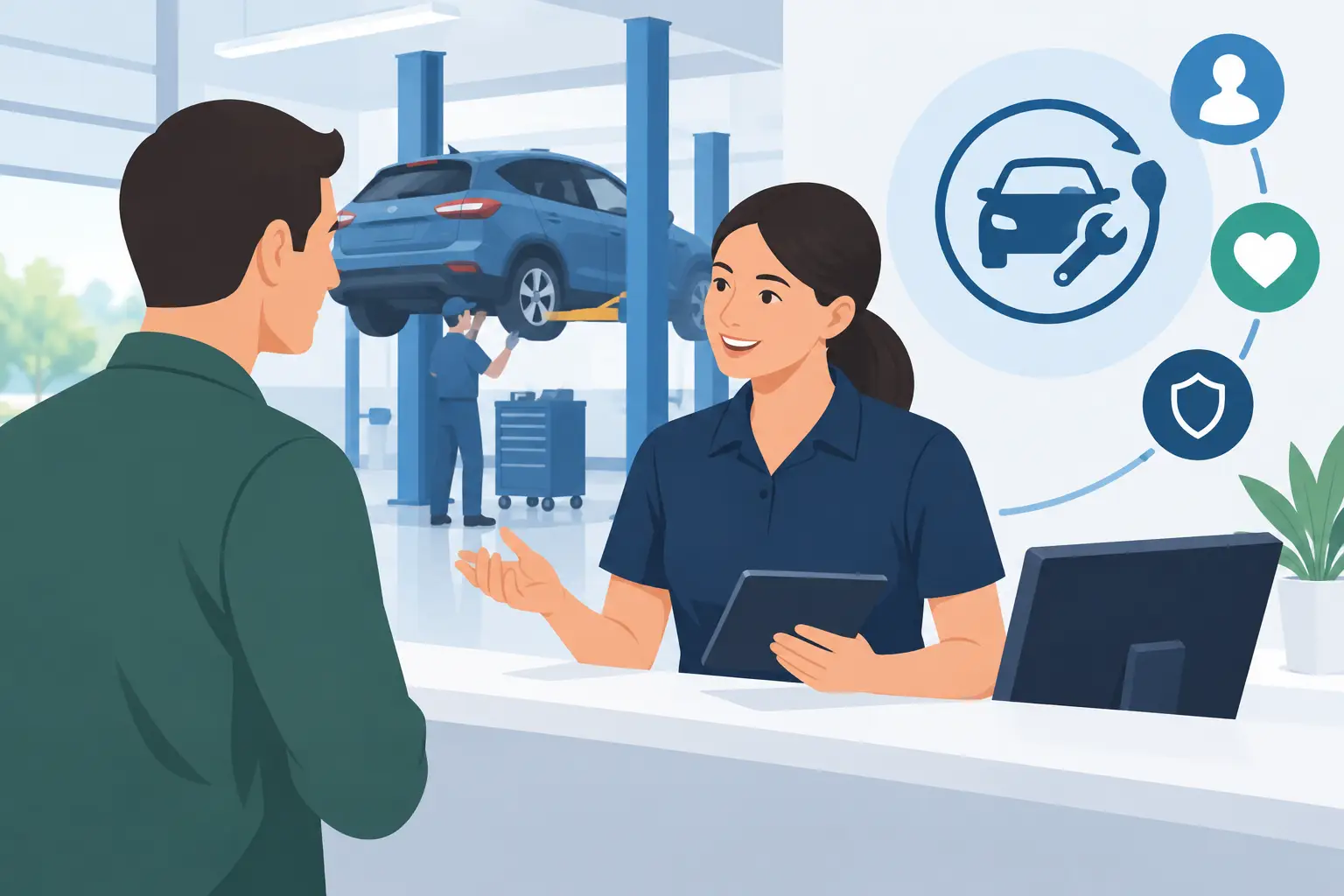
That is why the service lane should be designed around the full ownership interruption, not just the repair order. Advisors should recognize the difference between routine maintenance and a genuine hardship event. A dead vehicle, major collision, or total loss can create immediate financial and logistical strain. The customer needs clarity about what happens next, how long the vehicle may be unavailable, and where they can find practical relief.
A well-run recovery process turns an unpleasant event into a loyalty opportunity. Communicate early, provide realistic timelines, document the customer’s needs, and make transportation and payment concerns part of the conversation. The customer should leave believing the dealership is protecting their mobility and their finances, not merely selling a repair.
Build a Stronger Handoff Between F&I and Fixed Operations
Retention begins before the customer ever enters the service drive. The sales and F&I teams set expectations at delivery, while the service department must be prepared to fulfill the ownership promise later. If those departments operate independently, valuable customer benefits get forgotten precisely when they matter most.
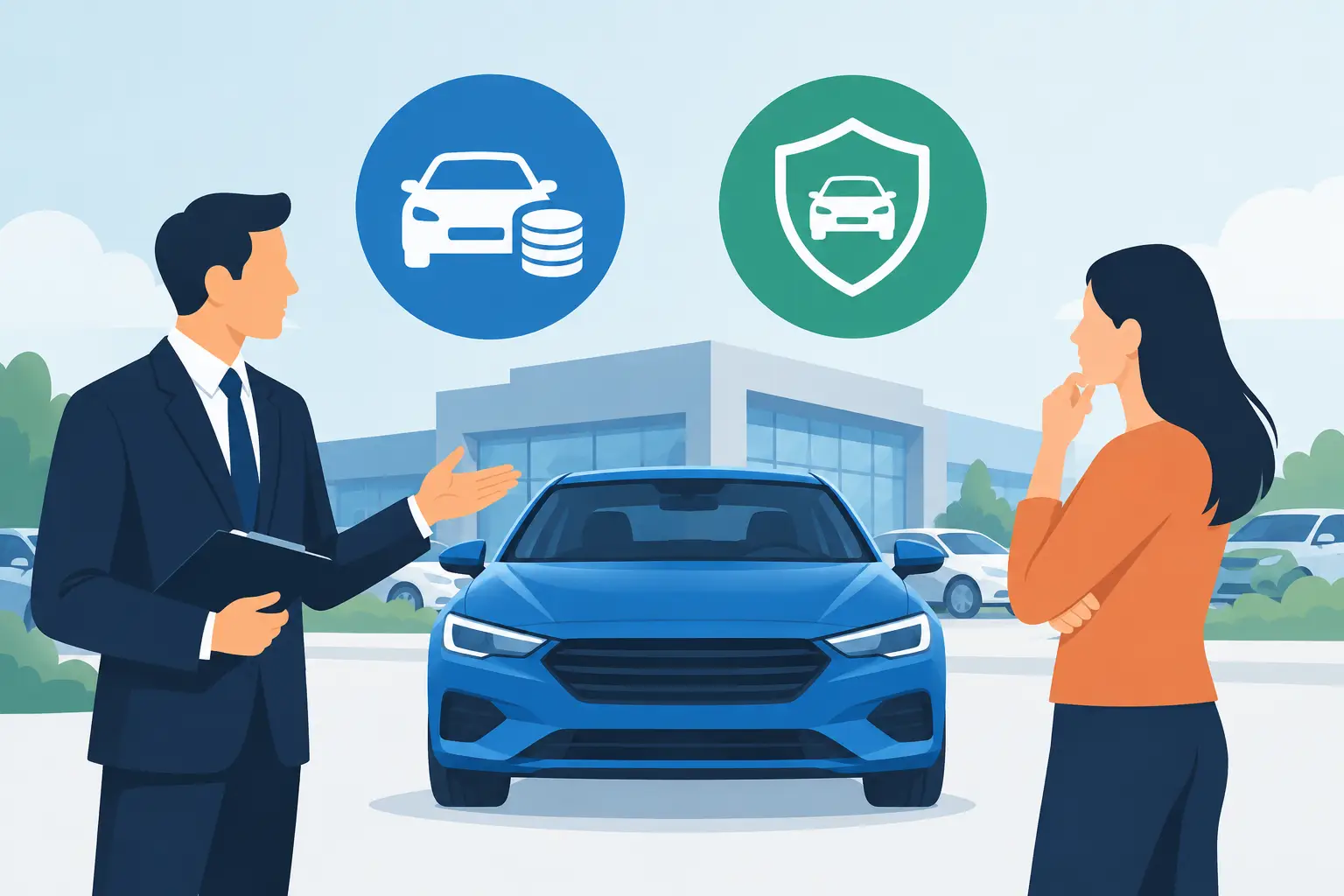
Create a simple internal process for identifying customers who have purchased applicable protection products or memberships. Service advisors should be able to confirm eligibility without sending the customer from desk to desk. F&I managers should also explain at delivery that certain benefits may help if a covered event makes the vehicle unusable and that the dealership service center is a logical first call.
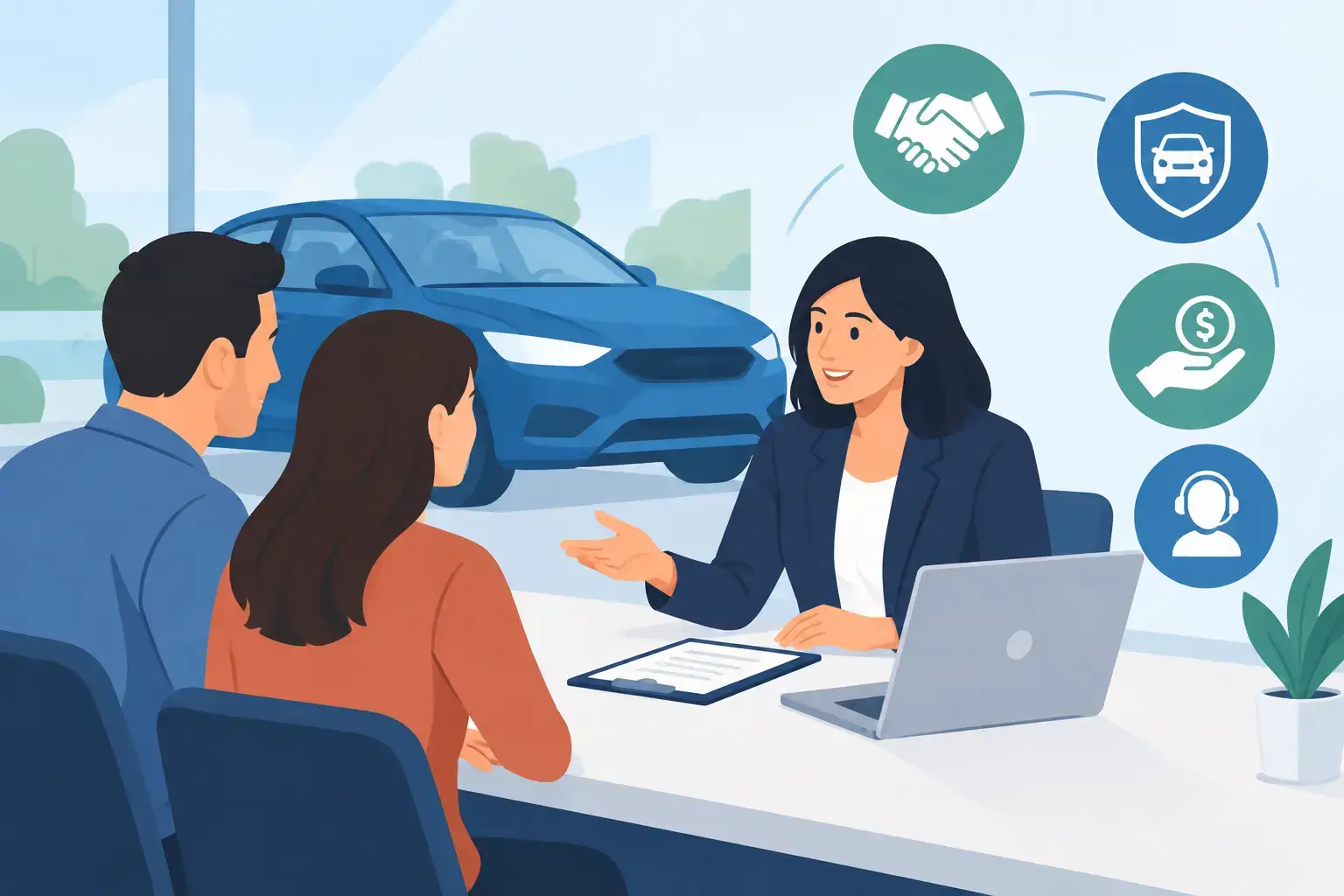
This does not require turning service advisors into product salespeople. It requires giving them a customer-care tool. When an advisor can say, “Let’s review the benefits available to you and help you take the next step,” the conversation changes. The dealership becomes a problem solver at a moment when the customer is highly likely to form a lasting opinion of the business.
Give Advisors a Reason to Follow Up After the Repair Order
Many dealerships lose retention after doing excellent technical work because communication stops too soon. A completed repair order is not always a completed customer experience. The vehicle may be back on the road, but the customer may still be managing a payment, travel expense, insurance claim, or replacement-vehicle decision.
A disciplined follow-up process closes that gap. Within a few days of repair completion, the dealership should contact the customer to confirm that the vehicle is performing properly and ask whether any additional ownership concerns remain. This is not a generic survey call. It is a short, personal check-in that reinforces the dealership’s role as an ongoing partner.
For higher-severity events, assign ownership of the follow-up. It may be the service advisor, customer experience manager, or a designated retention specialist. What matters is that the customer does not feel abandoned after the keys are returned. Track the outcome in the CRM so the next service visit starts with context rather than a blank slate.
Make Payment Protection Part of the Retention Strategy
A customer may appreciate a quality repair and still leave the dealership network if the event creates financial pressure they cannot absorb. Payment interruption is one of the least discussed reasons customers disengage. When money is tight, deferred maintenance, skipped recommended repairs, and a switch to cheaper repair alternatives become more likely.
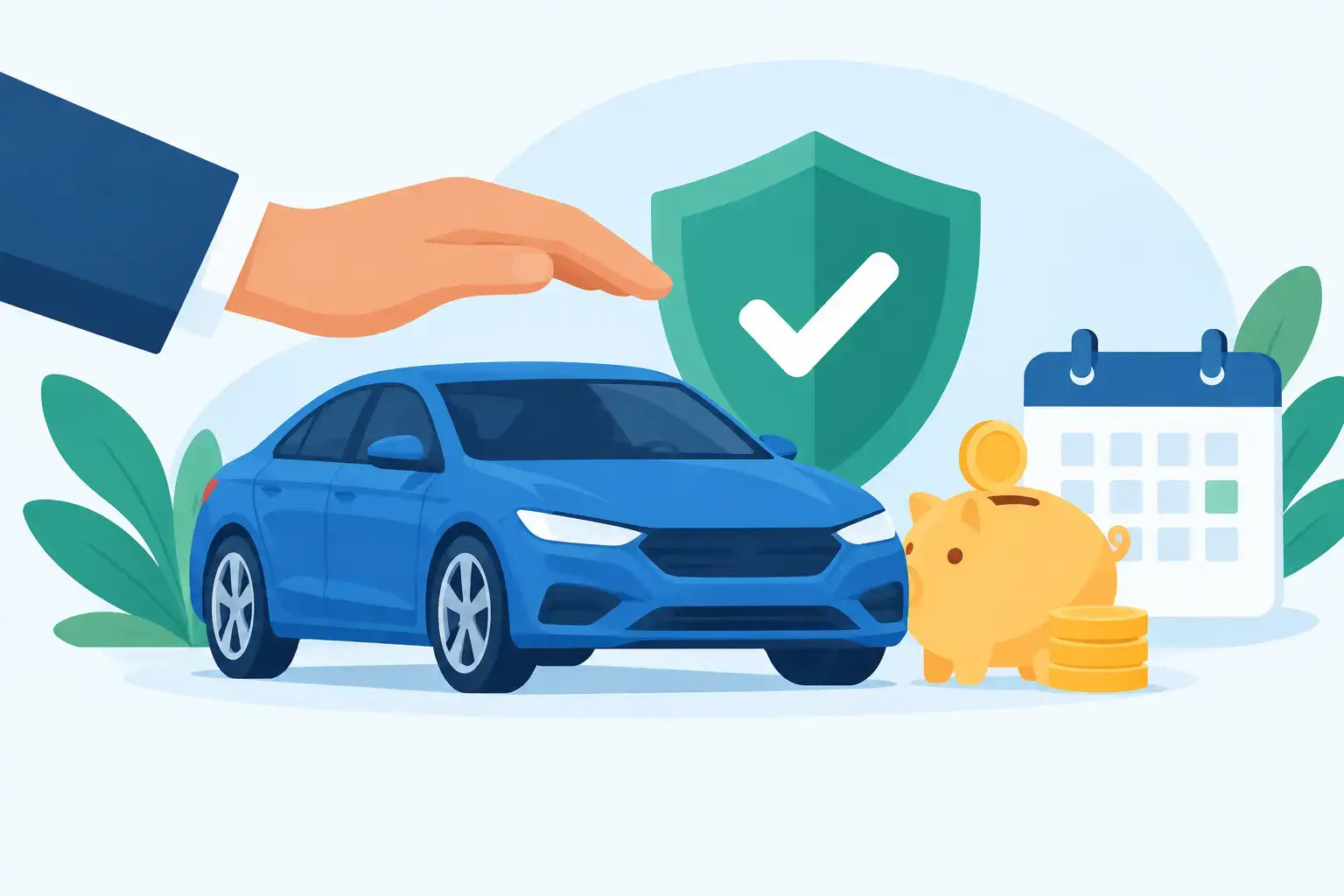
This is where a differentiated membership can create a business advantage. CPR For Cars is designed to reimburse a customer’s monthly vehicle payment when a covered event leaves the vehicle unusable, while providing additional support for immediate travel and miscellaneous expenses during the first year. Eligible members may also receive assistance toward a replacement vehicle after a total loss, based on the original dealer down payment.
For lenders, lessors, dealerships, and buy-here-pay-here operators, that support can do more than create goodwill. It can help preserve payment continuity, reinforce the value of the original dealership relationship, and give customers a practical reason to return to the selling dealer when a major vehicle event occurs. The result is a product story that protects customers while supporting backend revenue and future service opportunities.
The right approach depends on the dealership’s business model. A luxury store may position the benefit around concierge-level ownership support. A volume dealer may focus on protecting working families from disruption. A BHPH operator may emphasize payment continuity and stronger customer communication. In every case, the message should be clear: when an unexpected event happens, the dealership has a plan.
Measure the Retention Behaviors That Lead to Revenue
Service retention cannot improve if the only measure is total repair orders. Dealerships should track the behaviors that show whether customers are coming back because of a stronger ownership relationship.
Start with return visit rates by customer age, vehicle age, repair type, and sales source. Review how often customers who experience major repairs or collision-related disruptions return for subsequent maintenance. Measure declined work that converts later, appointment no-show rates, and the percentage of sold customers who complete their first service visit. These indicators reveal where the customer journey is breaking down.
It is also useful to measure operational handoffs. How many eligible customers were identified in the service lane? How quickly did an advisor follow up after a vehicle-down event? How many customers were contacted after a major repair? These are manageable actions that can directly affect retention, even before broader loyalty metrics improve.
Avoid treating every lost customer the same way. A customer who moved away needs a different response than one who left after an unresolved repair concern or a difficult payment period. Segmenting the reason for defection helps management invest in changes that produce real return traffic instead of simply adding more marketing spend.
Train the Service Lane to Sell Confidence, Not Just Labor
Customers can compare labor rates online. They cannot easily compare the confidence that comes from being known, supported, and treated fairly during a difficult event. That confidence is what brings them back for the next oil change, tire replacement, trade-in, and vehicle purchase.
Advisor training should include active listening, benefit awareness, realistic repair communication, and clear escalation paths for distressed customers. The goal is not scripted sympathy. The goal is a consistent response that says, in practical terms, “We understand the disruption, and we know what to do next.”
Managers should reinforce this standard in daily lane meetings. Review upcoming appointments involving major repairs, recently sold customers, and customers with prior dissatisfaction. A few minutes of preparation can prevent a reactive conversation later and gives advisors the information they need to deliver a more personal experience.
The dealership that wins retention is rarely the one with the loudest promotion. It is the one that proves its value when ownership gets difficult. Give your service team the tools, training, and customer support story to respond with confidence, and every vehicle-down event can become a reason for the customer to stay connected to your store.




Leave A Comment