

A borrower misses a payment after an accident, not because they forgot, but because their vehicle is in the shop, they still need to get to work, and cash is suddenly going somewhere else. That is where real auto loan delinquency solutions start – not with collections language, but with a clear view of what disrupts payment behavior in the first place.
For lenders, lessors, dealerships, credit unions, and BHPH operators, delinquency is rarely just a credit issue. It is often an interruption issue. A vehicle becomes unusable, the customer faces immediate transportation costs, and the monthly payment drops on the priority list. If your strategy only activates after the account falls behind, you are already managing loss instead of protecting performance.
Why auto loan delinquency solutions often miss the real problem
Many delinquency programs are built around recovery. They focus on reminders, call campaigns, payment plans, and repossession escalation. Those tools have a place, but they are reactive. They address the symptom after the customer has already entered distress.
In automotive finance, a meaningful share of late payments is tied to life disruption around the vehicle itself. Repairs, collision events, theft, and total loss situations create immediate pressure. The customer may still intend to pay, but intent does not always survive a sudden out-of-pocket expense, missed work, rental needs, or replacement transportation.
That distinction matters. A borrower who cannot pay because the vehicle event created short-term hardship is not the same as a borrower with chronic unwillingness to pay. Treating both accounts the same can hurt collections results, customer goodwill, and long-term retention.
The strongest auto loan delinquency solutions begin before delinquency
The most effective approach is to reduce the chance of payment interruption before it starts. That means looking at product design, F&I strategy, servicing practices, and customer support as one system.
When a finance operation adds a membership or ancillary product that helps customers stay current during a covered vehicle-related disruption, it changes the conversation. Instead of waiting for a missed payment and then negotiating around damage already done, the business has a built-in support mechanism that helps preserve continuity.
This is where many lenders and dealers see a missed opportunity. They already sell products tied to vehicle ownership risk, but not all of them are built to support the monthly payment itself. Payment continuity matters because it protects more than the customer. It protects portfolio health, collection efficiency, backend revenue, and brand trust.
What practical protection looks like
A useful delinquency strategy does not need to be complicated. It needs to answer one operational question: what happens when the vehicle is unusable and the customer still has a payment due?
If the answer is “our collections team will call them,” the strategy starts too late.
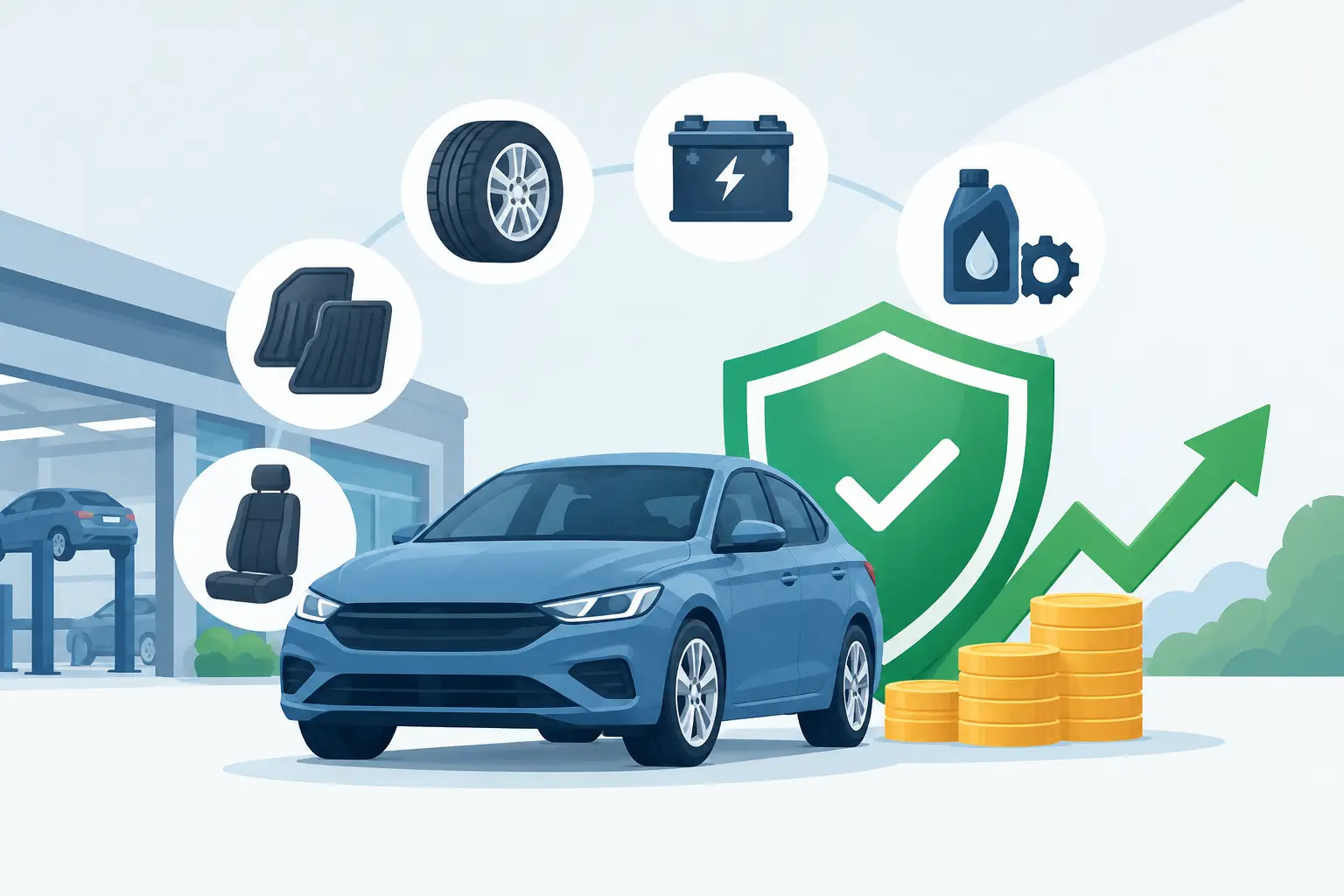
If the answer includes reimbursement support tied to covered events, immediate expense assistance, and replacement-related relief after a total loss, the business is in a stronger position. The customer gets breathing room, and the finance partner gains a better chance of preserving payment behavior.
That kind of support is not just customer-friendly. It is commercially sound. It helps reduce stress at the point where delinquency often begins.
A better framework for payment continuity
Executives evaluating auto loan delinquency solutions should think in layers.
The first layer is underwriting and deal structure. Sound approvals, realistic payment amounts, and clear affordability standards still matter. No ancillary product fixes weak originations.
The second layer is servicing discipline. Early communication, consistent account monitoring, and staff training all help catch accounts that are drifting.
The third layer is disruption protection. This is the layer many organizations underinvest in, even though it can directly influence whether a good customer becomes a late customer after a vehicle event.
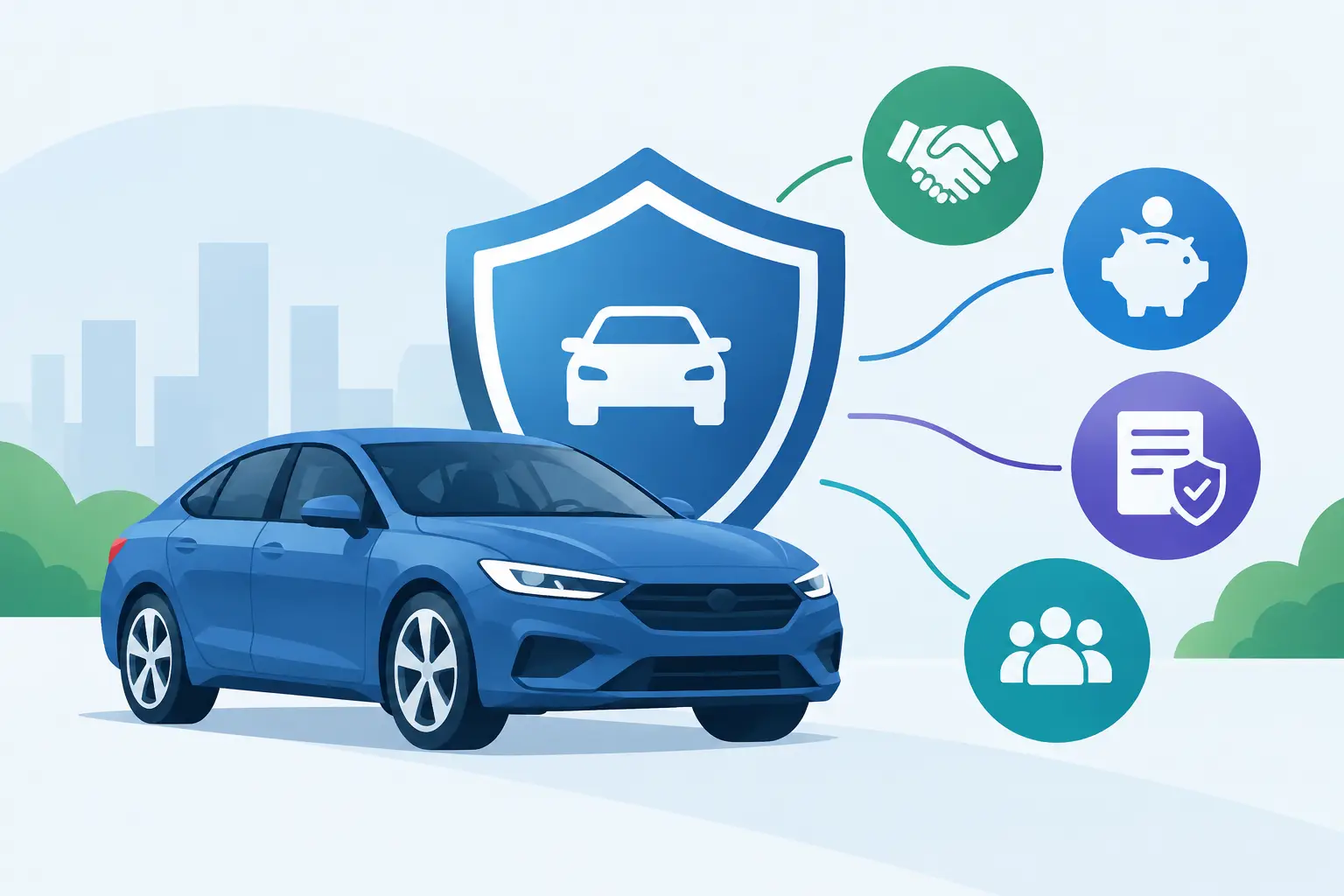
That third layer is where a car payment reimbursement membership can create real value. It gives finance and retail automotive partners a way to offer practical customer relief while also adding a monetizable product to the deal. That is a strong combination in a market where margin pressure and portfolio performance are both under scrutiny.
Why this matters for dealerships and F&I leaders
Dealerships often feel delinquency risk indirectly, but the impact is real. Lender relationships matter. Customer satisfaction matters. Service retention matters. So does per-deal gross.
A product that helps customers weather covered disruptions can strengthen all four. It gives F&I a differentiated offer that is easy to explain in outcome terms. It supports the ownership experience after delivery. And it can help bring the customer back to the dealership ecosystem rather than sending them into a frustrated, disconnected post-sale experience.
There is also a practical sales benefit. Buyers understand payment pain. They may not fully appreciate every backend product category, but they understand what happens when a vehicle is sidelined and bills keep coming. That makes payment reimbursement support easier to position than products that require a longer technical explanation.
For BHPH dealers, the value can be even more direct. A temporary disruption can quickly become a collections problem in that model. Programs that support the customer during covered events may help stabilize accounts that would otherwise slide into default faster.
Why lenders and lessors should look beyond collections scripts
Lenders and lessors are under pressure to improve servicing outcomes without driving up costs or damaging customer relationships. Traditional collections tools can only go so far when the root issue is a vehicle-related hardship event.
That is why prevention-based auto loan delinquency solutions deserve more attention. They can support first-payment-default prevention in some cases, reduce friction during the life of the account, and improve the chances that a temporary hardship stays temporary.
There is also a portfolio view to consider. If a lender can support dealers with a product that reinforces payment continuity, it helps create stronger indirect originations and a better customer experience across the channel. That can be good for approval confidence, partner loyalty, and servicing performance.
Of course, it depends on execution. A product has to be clearly positioned, operationally simple, and easy for dealer teams to present. If claims or reimbursement mechanics are confusing, adoption will suffer. If the value is obvious and the process is straightforward, the product becomes more than a line item. It becomes part of the retention strategy.
What to evaluate in delinquency-focused product strategy
Not every add-on belongs in a delinquency conversation. The key is whether it helps protect the payment stream when real-world disruption hits.
Look at whether the product addresses periods when the vehicle is unusable. Look at whether it offers immediate relief for travel or miscellaneous costs. Look at whether it supports replacement needs after a total loss. And look at whether it creates revenue for the originating partner while serving a clear customer need.
The best solutions do both. They protect your customers and your bottom line.
That is why a program like CPR For Cars fits a smarter operational model. It is not insurance positioned as a vague safety net. It is a membership built around a specific business problem: when covered events interrupt vehicle use, payment behavior can break down. Reimbursement support helps keep that from becoming a larger portfolio issue.
Operational adoption matters as much as product value
Even a strong solution underperforms if your teams cannot sell it, explain it, or administer it confidently. F&I managers need concise talking points. Servicing teams need to know when and how the benefit applies. Program leaders need visibility into adoption and customer outcomes.
That is where many ancillary products lose momentum. They sound good in a boardroom but create friction in the store or servicing center. The right delinquency support product should be easy to integrate into the deal process and easy for customers to understand at the moment they buy.
Simple sells. Clear reimbursable value sells. Products tied to real ownership pain points sell.
The broader point is this: delinquency management should not begin with the missed payment notice. It should begin at origination, with tools that anticipate why otherwise solid customers fall behind.
As competition tightens and consumer budgets remain sensitive, the businesses that outperform will be the ones that stop treating delinquency as only a collections event. They will treat it as a preventable breakdown in payment continuity and build solutions around that reality. That is how you protect account performance, preserve customer goodwill, and create a stronger backend story at the same time.






Leave A Comment