

A customer who leaves your lot after a breakdown, collision, or unexpected repair is not automatically a lost customer. But without a clear recovery plan, they can become one quickly. The top dealership service retention strategies focus on what happens after the sale, especially when ownership becomes expensive, inconvenient, and stressful. That is where dealerships protect customer goodwill, create more service-center return traffic, and defend long-term revenue.
Service retention is not just a fixed-ops metric. It affects trade cycles, customer satisfaction, repeat vehicle sales, F&I product value, and the reputation your dealership earns one repair order at a time. The strongest programs remove friction for customers while giving your team a practical reason to stay engaged.
1. Make the First Service Visit Part of the Delivery Process
The first service appointment should not be an afterthought. Before the customer leaves the showroom, introduce them to the service department, confirm how they will schedule maintenance, and explain the benefits of returning to the dealership. A handoff from the sales or F&I team to a service advisor makes the relationship feel continuous instead of transactional.
The key is specificity. Do not simply tell buyers that your service center is available. Set the first maintenance reminder, identify the expected timing of their first visit, and make sure the customer knows whom to contact. For leased customers, explain how documented maintenance can help them avoid unwanted surprises at turn-in.
This approach works best when sales, F&I, and fixed operations share ownership of the outcome. If each department treats retention as someone else’s responsibility, customers receive mixed messages and drift to independent shops.
2. Use Ownership Communications That Solve Real Problems
Generic reminders get ignored. Customers respond when communications are relevant to their vehicle, their mileage, and the real costs they may face. Maintenance reminders, recall notices, tire offers, and seasonal inspection messages can all bring customers back, but timing and relevance matter more than volume.
Segment your outreach. A customer nearing the end of a lease needs different messaging than an owner with an aging vehicle and an expiring warranty. A customer who recently declined recommended work may need an estimate follow-up and flexible scheduling, not another general coupon.
Text messages can be effective for confirmations and short service prompts, while email is better for explaining recommended work, maintenance packages, and ownership benefits. The goal is not to contact customers more often. The goal is to give them a useful reason to return before a small issue becomes an expensive repair elsewhere.
3. Remove the Friction That Sends Customers to Independent Shops
Many customers do not leave the dealership because they doubt your technicians. They leave because the alternative feels easier, faster, or less expensive. Long waits for appointments, unclear estimates, transportation problems, and poor follow-up create an opening for competitors.
Start with the basics: online scheduling that works, prompt appointment confirmations, accurate status updates, and easy payment options. Then address the practical barriers. Loaner availability, shuttle service, mobile pickup and delivery, or ride assistance can make dealership service the convenient choice. Not every store needs every option. A high-volume urban dealership may benefit more from pickup and delivery, while a rural store may see better results from well-managed loaners and flexible appointment blocks.
Price transparency matters as well. Customers can accept a higher dealership rate when they understand what they receive: factory-trained technicians, quality parts, diagnostic capability, documented repair history, and warranty support. Surprising customers at the cashier counter will erase that value quickly.
4. Turn Disruptive Vehicle Events Into Retention Opportunities
A vehicle that becomes unusable creates a difficult moment for the customer and a high-stakes retention moment for the dealership. After an accident, theft, mechanical failure, or total loss, the customer may be worried about transportation, repair costs, their monthly payment, and how to replace the vehicle. If the dealership is absent during that period, another retailer will gladly take the replacement sale and future service business.
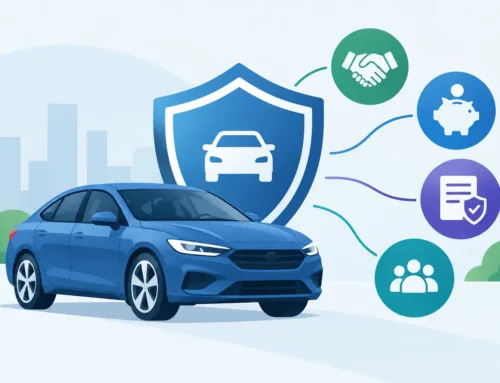
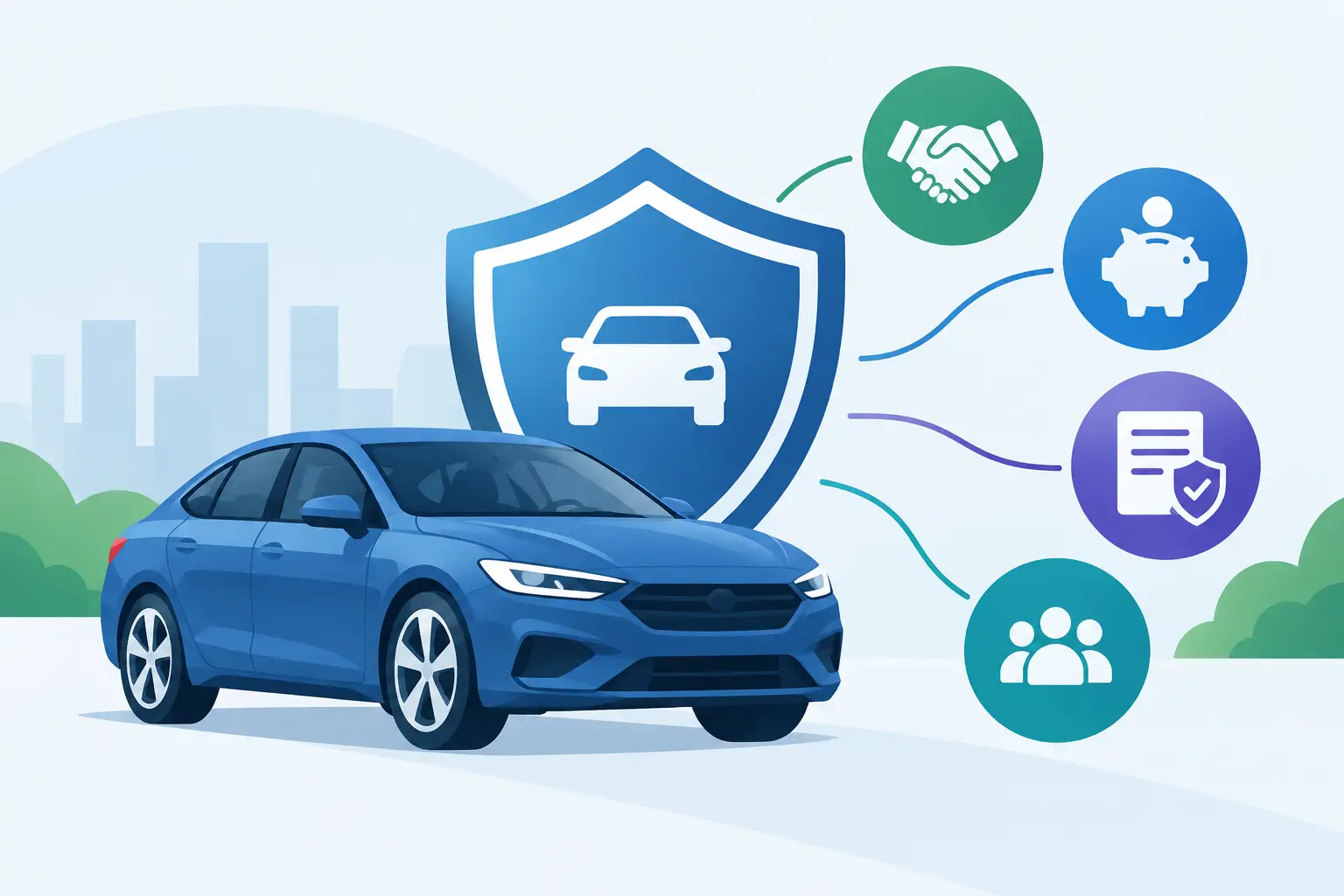
This is where an ownership protection benefit can provide a meaningful advantage. CPR For Cars is a non-insurance membership program designed to reimburse a customer’s monthly car payment when a covered event leaves the vehicle unusable. It can also provide immediate travel and miscellaneous expense support in the first year, plus replacement-vehicle assistance after a total loss based on the customer’s original down payment.
For the customer, that support can reduce financial pressure at exactly the wrong time to face a continuing vehicle payment. For the dealership, it creates a reason for the customer to reconnect with the originating store for service, replacement, or another vehicle purchase. The product must be presented accurately and within its terms, but its retention value is clear: help customers through disruption instead of leaving them to navigate it alone.
5. Give Service Advisors the Tools to Build Trust
Service advisors are retention professionals, whether the dealership treats them that way or not. They translate technical findings into customer decisions, handle frustration, and determine whether a difficult repair visit ends with confidence or resentment.
Train advisors to explain recommendations in priority order. Customers should understand what requires immediate attention, what can be planned for later, and what is simply worth monitoring. That conversation feels more credible than presenting every recommendation as urgent.
Advisors also need authority to resolve smaller issues quickly. A delayed part, missed communication, or minor billing concern can cost thousands in future lifetime value if it is handled poorly. Establish clear guidelines for goodwill adjustments, transportation help, and manager escalation. Protecting a relationship is often more profitable than protecting every dollar on a single repair order.
6. Measure Retention Beyond Closed Repair Orders
A busy service drive does not automatically mean a healthy retention strategy. Track whether customers return within the expected maintenance window, not just whether the department hit its monthly sales target. Measure retention by vehicle age, brand, purchase source, financing type, and customer segment to see where relationships are weakening.
Useful operating measures include first-year service return rate, declined-work recovery, appointment show rate, average time to next visit, customer-pay repair-order frequency, and replacement sales from prior service customers. Review these figures alongside customer satisfaction data. High satisfaction with low return rates can indicate a convenience problem, a pricing perception issue, or weak follow-up.
Do not overreact to one month of data. Retention patterns take time to develop, particularly for low-mileage drivers and newer vehicles with included maintenance. Look for trends, identify the customer groups with the greatest leakage, and assign clear actions to the departments that influence those groups.
7. Build a Consistent Reacquisition Process
Customers who have not returned are not all gone for the same reason. Some moved, some sold the vehicle, some use an independent repair shop, and some simply forgot to schedule service. Your reacquisition process should reflect those differences.
Use your CRM and service records to identify customers who are overdue based on mileage and age. Give them a direct, practical reason to come back: a seasonal inspection, recall support, a tire check, a maintenance review, or an appraisal while the vehicle is in the shop. When appropriate, combine service outreach with upgrade messaging, especially for customers approaching lease maturity or facing costly repairs.
The best offers do not train customers to wait for discounts. They reinforce the value of returning to a dealership that knows the vehicle, has its service history, and is prepared to support the customer through the full ownership cycle.
A retained service customer is not just another repair order. They are a better opportunity for future sales, a stronger source of referrals, and a customer who has seen your dealership deliver when ownership gets complicated. Build the systems that keep that promise visible long after the keys change hands.






Leave A Comment