
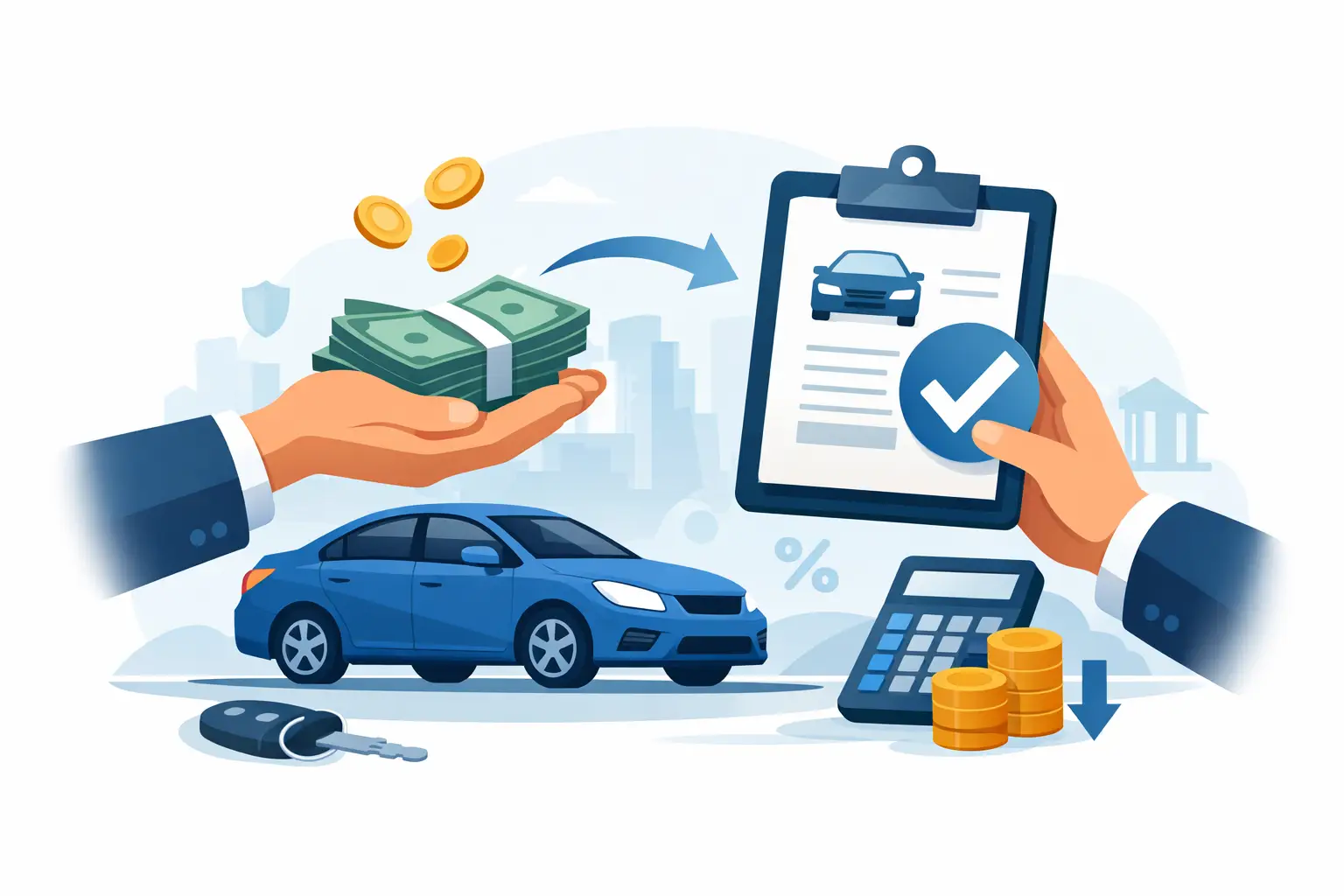
A borrower’s car is in the shop after a covered breakdown or accident, the vehicle cannot be driven, and the next payment is still due. That is usually when lenders, dealers, and leasing providers hear the same question: can a car loan payment be reimbursed? The short answer is yes – but not by default, and not through a standard auto loan alone.
That distinction matters for any automotive business evaluating products that protect customers while protecting payment performance. A monthly vehicle obligation does not stop just because the unit is unusable. For the customer, that creates stress. For the finance source, dealership, or portfolio manager, it can create missed payments, friction, and avoidable churn.
Can a car loan payment be reimbursed in real life?
Yes, a car loan payment can be reimbursed when the customer has a separate product or membership that specifically provides that benefit after a covered event. Without that extra protection, the answer is usually no. Most retail installment contracts, lease agreements, and standard financing terms do not pause or erase the monthly obligation because the vehicle is temporarily out of service.
This is where many buyers get confused. They often assume that if a car is disabled after an accident, major repair, or total loss event, the lender will work around the payment schedule. Sometimes a lender may offer hardship options, extensions, or individual accommodations, but that is not the same as reimbursement. Reimbursement means the customer receives money back for a qualifying monthly payment under the rules of a separate program.
For automotive businesses, that difference is more than semantics. It is the gap between hoping a customer keeps paying and offering a structured way to support payment continuity.
Why this question matters to dealers and lenders
When people search can a car loan payment be reimbursed, they are usually thinking like consumers. But the operational issue lands on your desk. F&I managers see the concern during delivery. Lenders see it when an account becomes strained after a disruptive vehicle event. Lessors and BHPH operators see it when a customer’s transportation problem turns into a collections problem.
A sidelined vehicle creates two pressures at once. The customer may be dealing with repair delays, transportation costs, and lost time. At the same time, the payment due date does not move. That combination can damage customer goodwill quickly, especially if the buyer believed ownership protection was stronger than it really was.
A reimbursement program changes that conversation. Instead of telling the customer they still owe what they owe and hoping for the best, you can offer a product that helps offset the monthly burden when a covered event leaves the vehicle unusable. That is good customer care, but it is also good business. A customer who feels protected is more likely to stay engaged, keep communicating, and continue the relationship with the originating dealer or finance source.
What reimbursement usually does – and does not – cover
A payment reimbursement product is not a blanket promise to cover every loan payment under every circumstance. The details matter. Covered events, waiting periods, reimbursement caps, documentation requirements, and term limits all shape the value of the program.
In most cases, reimbursement applies when the vehicle is unusable because of a qualifying event defined by the membership or protection program. That may include major repairs, accidents, or a total loss scenario, depending on the program design. The customer typically must remain in good standing and provide supporting documents before reimbursement is issued.
Just as important, reimbursement is not the same as loan forgiveness. The lender is still owed according to the contract. The benefit is that the customer receives funds back under the separate program, which can reduce hardship and improve the chance that the account stays current.
That is why smart automotive partners do not position this benefit as replacing financing obligations. They position it correctly – as practical relief when the customer’s vehicle is unexpectedly out of commission.
The business case behind car payment reimbursement
For dealerships, banks, credit unions, finance companies, and leasing operators, payment reimbursement is not just a customer perk. It is a strategic aftermarket product with measurable business value.
First, it gives your F&I team something real to sell. Many ancillary products promise future value that customers may never feel directly. Payment reimbursement is easy to understand because the pain point is immediate and obvious. If a covered event sidelines the vehicle, the membership can reimburse the monthly payment. That is a clean, compelling message in the box.
Second, it supports portfolio stability. Customers under pressure are more likely to delay or miss payments. A reimbursement benefit can soften that pressure at exactly the moment it matters most. It will not solve every delinquency risk, but it can reduce the chances that a temporary vehicle problem becomes a larger account problem.
Third, it supports retention and service traffic. When customers have a reason to stay connected to the selling dealer or affiliated finance partner, the relationship lasts longer. Programs that also include immediate travel or miscellaneous expense assistance can strengthen that value even further, because the customer sees help arriving at the point of disruption, not months later.
This is one reason CPR For Cars stands out in the market. It is built as a non-insurance membership program that reimburses a customer’s monthly payment after covered events that leave the vehicle unusable, while also supporting related expenses and replacement-vehicle needs under defined terms. That creates value on both sides of the transaction – relief for the customer and a differentiated, revenue-generating product for the automotive partner.
Where businesses get the positioning wrong
The biggest mistake is treating reimbursement like a vague protection concept instead of a specific ownership benefit. If your sales team cannot explain when a car loan payment can be reimbursed, they will either oversell the product or undersell it. Neither helps your backend.
Overselling creates compliance risk and future dissatisfaction. Customers should never be led to believe every payment is automatically covered whenever anything goes wrong with the vehicle. Underselling is just as costly, because the actual value proposition gets lost. If your team presents the membership as one more optional add-on with fuzzy benefits, close rates suffer.
The better approach is simple and direct. Explain the problem first: the monthly payment does not stop when the vehicle becomes unusable. Then explain the solution: with the right membership, the customer may receive reimbursement after a covered event. That framing is honest, memorable, and easy for buyers to grasp.
How to evaluate a reimbursement program
If you are considering whether to add this category to your product lineup, focus on operational fit as much as customer appeal. A strong program should be easy for your teams to present, easy for customers to understand, and structured to deliver visible value when disruption happens.
Look at the covered-event definitions, reimbursement amounts, claim workflow, and how quickly the customer can access help. Also look at whether the product creates added business benefits beyond a single claim event. Some programs are stronger because they support goodwill, repeat business, and dealership touchpoints long after the original sale.
You should also consider where the product sits in your current menu or offering stack. For some partners, it works best as a differentiator that addresses payment stress directly. For others, it complements service-related protections by filling the financial gap those products leave behind. The right answer depends on your customer base, your portfolio goals, and how your team sells.
So, can a car loan payment be reimbursed?
Yes – if there is a dedicated reimbursement membership or protection product in place that covers the event. No – not in the sense that a standard loan agreement simply stops demanding payment because the vehicle is unusable.
That difference is exactly why this product category deserves attention from automotive finance and retail leaders. It solves a real customer problem while serving a real business objective. It gives you a clearer story in F&I, a stronger protection message at the point of sale, and a practical way to reduce payment disruption when customers are under pressure.
If you want to protect your customers and your bottom line, do not wait for a disabled vehicle to expose the gap. Put a reimbursement solution in front of buyers before they ever need to ask the question.






Leave A Comment