
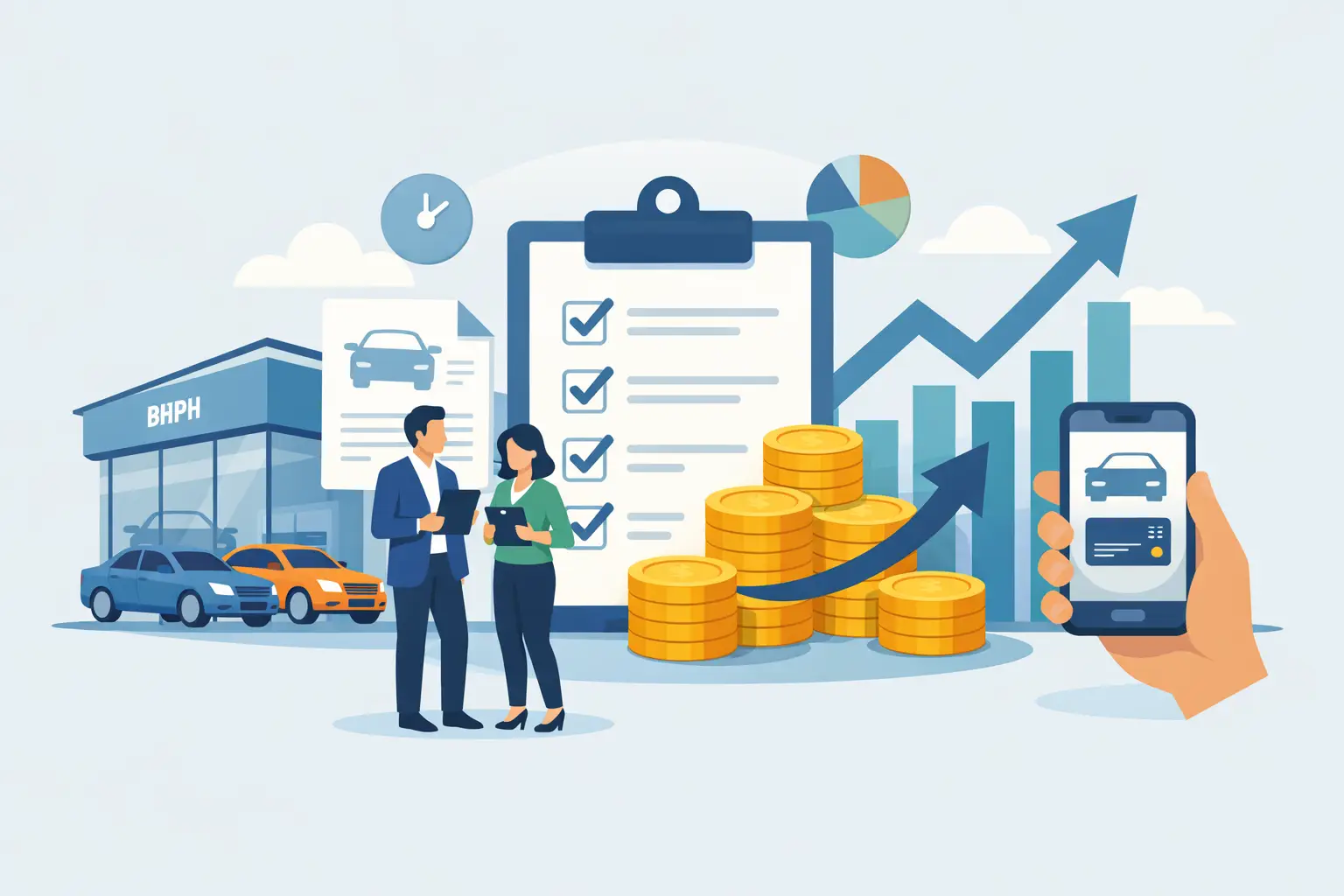
A missed payment is rarely just a collections issue. For a BHPH operation, it can signal a customer without transportation, a repair they cannot afford, a job disruption, or a communication breakdown that gets harder to solve with every passing day. Understanding how BHPH stores increase collections starts with recognizing that stronger payment performance is built before an account becomes delinquent.
The highest-performing stores do not rely on tougher calls alone. They build a payment experience that makes it easier for customers to stay current, gives staff visibility into risk early, and creates practical options when a vehicle event threatens a customer’s ability to pay. That approach protects cash flow while preserving the relationships that create repeat buyers and referrals.
How BHPH Stores Increase Collections Before Delinquency
Collections begin at the point of sale. A customer who fully understands the payment schedule, available payment methods, late-payment policy, and who to contact when trouble starts is easier to manage than one who leaves the lot with unanswered questions.
This is where consistency matters. The F&I process, delivery conversation, and first-payment follow-up should all reinforce the same expectations. Explain the due date in plain language. Confirm the customer’s preferred phone number and email. Ask how they intend to pay and make that method simple to use. If your operation offers online payments, text-to-pay, automatic recurring payments, or payment by phone, show the customer how it works before delivery.
Autopay can improve consistency, but it is not the answer for every customer. Some BHPH buyers have variable income, use prepaid cards, or prefer to pay around weekly payroll cycles. The goal is not to force one payment method. The goal is to remove unnecessary friction while keeping a reliable record of payment commitments.
Clear expectations also prevent avoidable disputes. Customers should know the consequences of missed payments, but the conversation should remain professional and respectful. A buyer who feels embarrassed or pressured may stop answering calls. A buyer who understands the agreement and sees a path to communicate is more likely to engage before the balance grows.
Treat Early Outreach as a Revenue Function
The most valuable collection call is often the one made before a payment is late. A well-timed reminder can prevent an account from entering delinquency and reduce the labor required to bring it current later.
Use your payment data to identify accounts that need attention. A customer who has paid late twice in the last three months, changed bank information, or recently experienced a declined transaction may need an early check-in. The purpose is not to accuse the customer of missing a payment. It is to confirm the next payment plan and solve a small problem before it becomes a larger one.
For accounts that do become past due, speed and structure are critical. A collection team should have a defined contact cadence, documented call outcomes, and specific authority levels for arranging payment commitments. Every conversation should end with a clear next action: a payment date, a follow-up time, proof of income request, or escalation step.
Avoid vague promises such as, “I will pay when I can.” Replace them with a documented commitment tied to a date, amount, and payment method. If a customer says they can make a partial payment, determine whether accepting it advances the account toward resolution or merely delays the next problem. The right decision depends on the customer’s history, equity position, payment capacity, and your store’s policies.
Keep the conversation focused on solutions
A professional collector does not need to sound soft to be effective. They need to be direct, prepared, and able to offer realistic next steps. Start with the account facts, listen for the reason behind the missed payment, and then move the conversation toward a commitment.
When the hardship is temporary, a short-term arrangement may protect more value than immediate escalation. When the customer repeatedly breaks arrangements or will not communicate, decisive action may be necessary. The point is to make decisions based on documented behavior, not frustration.
Protect Payment Continuity When Cars Are Out of Service
For many BHPH customers, the vehicle is not optional. It is how they get to work, transport children, and maintain the income needed to make their car payment. When that vehicle becomes unusable after a covered event, the customer may face repair costs, transportation costs, and a monthly obligation that does not stop simply because the car cannot be driven.
That is a direct collections risk. A borrower who loses access to transportation can lose work hours or face immediate budget pressure. By the time a payment is missed, the account problem may already be tied to a much bigger disruption.
This is why payment-continuity products can be a strategic addition to a BHPH portfolio. CPR For Cars is a vehicle payment reimbursement membership designed to help when a covered event leaves a vehicle unusable. It can reimburse a member’s monthly vehicle payment, while also providing up to $500 for immediate travel and miscellaneous expenses in the first year. After a total loss, the membership can provide up to $1,000 toward a replacement vehicle based on the member’s down payment with the original dealer.
For the customer, that support can reduce the financial shock of a disabling vehicle event. For the BHPH dealer, it supports payment continuity when the customer is most vulnerable to falling behind. It also creates an additional revenue opportunity at the time of sale and gives the dealership another reason to stay connected with the customer after delivery.
The distinction matters: a reimbursement membership is not traditional insurance. It is a customer-care product with defined membership benefits and eligibility requirements. Your team should present it accurately, avoid overpromising, and explain the covered-event process in simple terms. When sold correctly, it gives customers a practical reason to protect their payment obligation from events that could otherwise derail it.
Build a Collections Process That Uses Data, Not Guesswork
A collections department cannot improve what it does not measure. Store leaders should review more than total delinquency. Look at first-payment default, 1-15 day delinquency, broken promises to pay, contact rates, cure rates, repossessions, reinstatements, and net loss by customer segment.
These numbers reveal where the process is breaking down. High first-payment default may point to weak delivery procedures, poor underwriting, or missing proof-of-income verification. Low contact rates may mean customer records are not being updated. A high number of broken promises may indicate that collectors are accepting unrealistic arrangements simply to close the call.
Segmenting the portfolio is equally useful. New accounts require a different approach than long-term customers with a temporary setback. Customers with a strong payment history should not be managed exactly like repeat late payers. A tiered strategy helps staff apply the right level of attention without wasting resources.
Compliance must remain part of the operating discipline. Follow applicable federal, state, and local requirements, including rules governing customer contact, data handling, repossession, and payment arrangements. Train employees to document accurately and speak consistently. A short-term collection gain is not worth the regulatory, legal, or reputational cost of poor practices.
Make Service a Part of the Collections Strategy
BHPH dealers sometimes separate service operations from collections, but customers do not experience the relationship that way. If a customer needs repairs, cannot reach the service department, and then receives only payment demands, the store appears disconnected from the reality of the customer’s situation.
A well-run service center can improve retention and payment performance by helping customers maintain reliable transportation. It can also bring customers back to the dealership, creating more opportunities to reinforce payment options, update contact information, and resolve concerns before they turn into silence.
This does not mean every repair should become a concession. It means the dealership should have a process for identifying when vehicle downtime is creating a genuine payment risk. Collections, service, and management should be able to communicate quickly when an account is affected by a major mechanical issue, accident, or covered event.
The strongest BHPH collection strategy is not built around chasing late payments harder. It is built around preventing avoidable disruptions, responding quickly when hardship occurs, and giving good customers a reason to keep engaging with your dealership. Protect the customer’s ability to stay mobile, and you put your store in a stronger position to protect every payment that follows.








Leave A Comment