
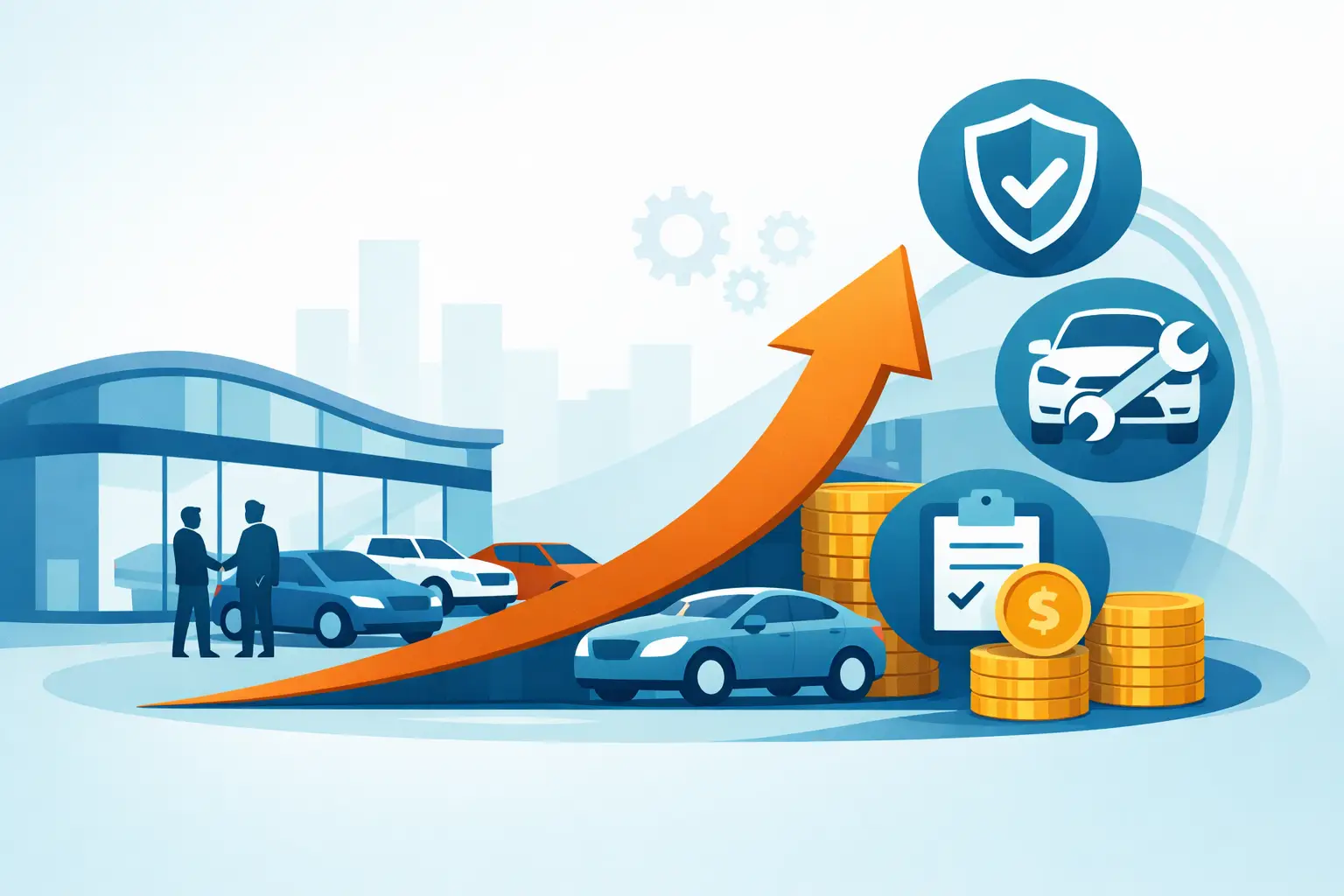
A front-end gross miss can erase a lot of hard work. That is exactly why how dealerships add backend revenue remains such a high-stakes question for owners, GMs, and F&I leaders. When margins tighten on the metal, the back end has to do more than make up the difference – it has to protect profit, support customer retention, and create value that still makes sense after delivery.
The strongest dealerships do not treat backend income as a pile of menu items. They build it as a strategy. That means choosing products customers can understand, training teams to present them with confidence, and focusing on offerings that help both the buyer and the store. If a product only boosts one side of the transaction, it usually has a short shelf life.
How dealerships add backend revenue in real operations
In practical terms, backend revenue comes from everything attached to the deal after the selling price of the vehicle. That includes reserve, service contracts, GAP, maintenance, appearance products, theft protection, tire and wheel coverage, and other ancillary offerings. Some stores also create backend income through lender participation, service retention programs, and membership-based products that extend the dealership relationship beyond delivery day.
The key difference between average and high-performing stores is not simply the number of products on the menu. It is relevance. Customers have become more payment-sensitive, more skeptical, and more likely to ask whether an add-on solves a real problem. If the answer is vague, penetration drops. If the answer is direct and tied to ownership risk, performance improves.
That is why many dealerships are rethinking product mix. Traditional products still matter, but they are no longer enough by themselves in every market. Stores want offerings that generate income without feeling repetitive, and they want programs that support payment continuity, goodwill, and future business instead of ending at the contract signature.
The products that move backend profit
Reserve still plays a major role, but it is vulnerable to rate pressure, lender caps, and compliance scrutiny. A dealership that leans too heavily on finance reserve is exposed. The more stable approach is to balance reserve with aftermarket products that produce consistent per-copy averages.
Vehicle service contracts remain a strong contributor because repair costs keep climbing and customers understand the risk of a major mechanical failure. GAP also stays relevant, especially in higher-LTV deals, long terms, and markets where used vehicle values have been volatile. Maintenance products, prepaid service, key replacement, and cosmetic protections can all perform well too, but only when the presentation is disciplined and the customer profile supports the offer.
The trade-off is simple. More products can raise gross, but too many weak or overlapping options can confuse the customer and slow the close. A shorter, better-targeted menu often outperforms a longer one. Stores that present five products clearly usually do better than stores that rush through ten.
This is where unique protection memberships can create separation. A product tied to real payment disruption can feel more urgent than another cosmetic add-on. When a customer understands that a covered event could leave the vehicle unusable while the payment is still due, the value becomes immediate. That matters in an environment where affordability concerns shape nearly every buying decision.
Why customer pain points matter more than product count
The most effective answer to how dealerships add backend revenue is not “sell more stuff.” It is “solve better problems.” Customers do not buy F&I products because dealerships like them. They buy when the product addresses a financial risk they can picture.
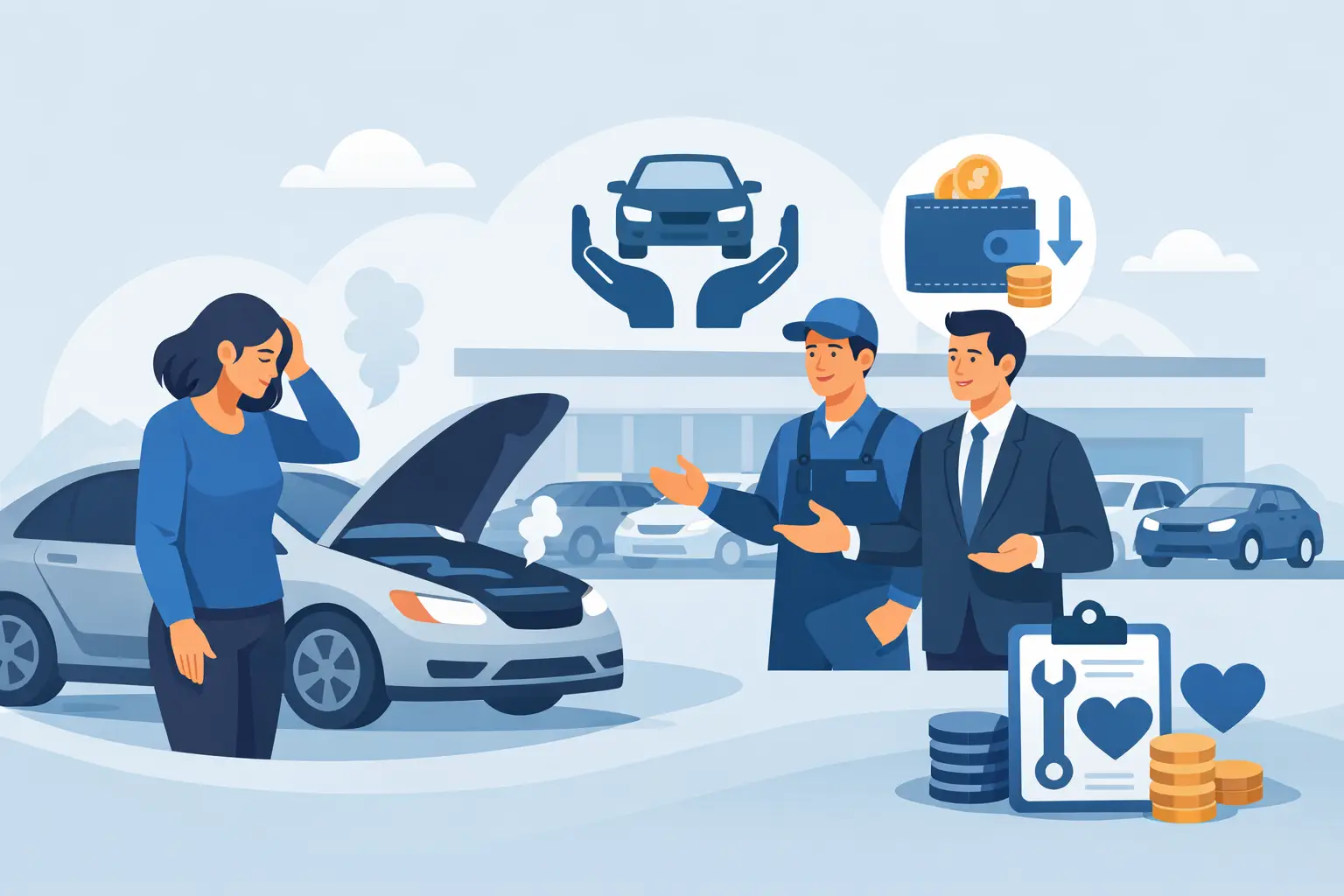
A breakdown, accident, or total loss does more than create inconvenience. It can interrupt transportation, strain the household budget, and make the next payment feel harder to manage. That is where backend products with practical financial relief stand out. They are easier for sales and F&I teams to explain because the need is obvious.
For dealers, this creates two advantages at once. First, the product can generate revenue per deal. Second, it can reduce the kind of post-sale frustration that damages CSI, weakens loyalty, and pushes customers away from the store. Backend strategy works best when it protects the customer experience after the sale, not just the profit on the day of delivery.
Training is where backend revenue is won or lost
Even a strong product lineup underperforms if the store cannot present it well. Many dealerships assume backend issues are product issues when they are really process issues. F&I managers may know the features, but customers buy outcomes. If the presentation sounds scripted, rushed, or overly technical, penetration drops.
The best stores train around ownership scenarios. They show what happens when a customer’s vehicle is inoperable, when a repair is not planned for, or when transportation costs pile up right after an incident. That approach makes the conversation practical instead of theoretical.
Consistency matters just as much as skill. If one manager presents every product every time and another cherry-picks based on assumptions, results become uneven and compliance risks increase. A repeatable menu process protects gross and helps the dealership understand what is actually working.
Managers also need to know when not to push. Some products fit nearly every deal. Others depend on term, mileage, vehicle age, lender structure, or the customer’s cash position. A business-minded F&I office knows the difference. High pressure can cost future trust. Strong positioning earns both product income and credibility.
Retention is part of backend revenue too
Too many dealerships measure backend performance only at the point of sale. That misses the larger opportunity. The best ancillary products keep the customer connected to the dealership after delivery. They support service-lane traffic, create future touchpoints, and give the customer another reason to return to the original selling dealer.
This is especially valuable when customer acquisition costs are high and repeat business matters more than ever. A backend product that drives the buyer back to the dealership can outperform a higher-margin product that disappears after funding. Gross today matters. Relationship value over the next 24 to 60 months matters too.
That is one reason payment-focused membership products are gaining attention. They do more than sit in the contract jacket. They give customers a reason to remember who helped protect them when ownership gets disrupted. For a dealership, that can mean stronger goodwill and more opportunities to retain the customer through service, replacement, and referral.
Choosing the right backend mix for your store
Not every store should build the same product stack. A franchised new-car rooftop, an independent used-car lot, and a BHPH operation face different customer risks and different gross opportunities. The right mix depends on deal structure, lender relationships, average term, inventory profile, and how disciplined the F&I process really is.
For example, a store with heavy subprime volume may see strong value in products that support payment continuity and reduce post-sale financial strain. A luxury store may lean more heavily into appearance and wheel-and-tire products because customer expectations are different. A BHPH dealer may need products that reinforce customer stability and protect collections performance as much as per-copy gross.
That is why product selection should be measured against four questions. Does it solve a clear customer problem? Is it easy for the team to explain? Does it produce reliable income? Does it support retention or portfolio performance after the sale? If the answer is no to most of those, the product probably does not belong in the core menu.
For many automotive finance partners, this is where a program like CPR For Cars fits naturally. It gives the dealership or finance partner a differentiated add-on that addresses a real ownership disruption while also supporting revenue, customer care, and return traffic. That combination is hard to ignore when stores are looking for backend income that does more than inflate one month’s numbers.
What dealers should watch next
Backend revenue is not going away, but the way it is built is changing. Customers are more payment-aware. Regulators are still watching. Lenders care about portfolio health. Dealers need products they can defend, explain, and monetize without damaging trust.
That points to a simple shift. The future of backend gross belongs to products with a clear customer story and a clear business case. If it protects the buyer and your bottom line, your team can sell it with confidence. If it also supports retention and long-term loyalty, it becomes more than backend revenue – it becomes a smarter way to grow the dealership.






Leave A Comment