
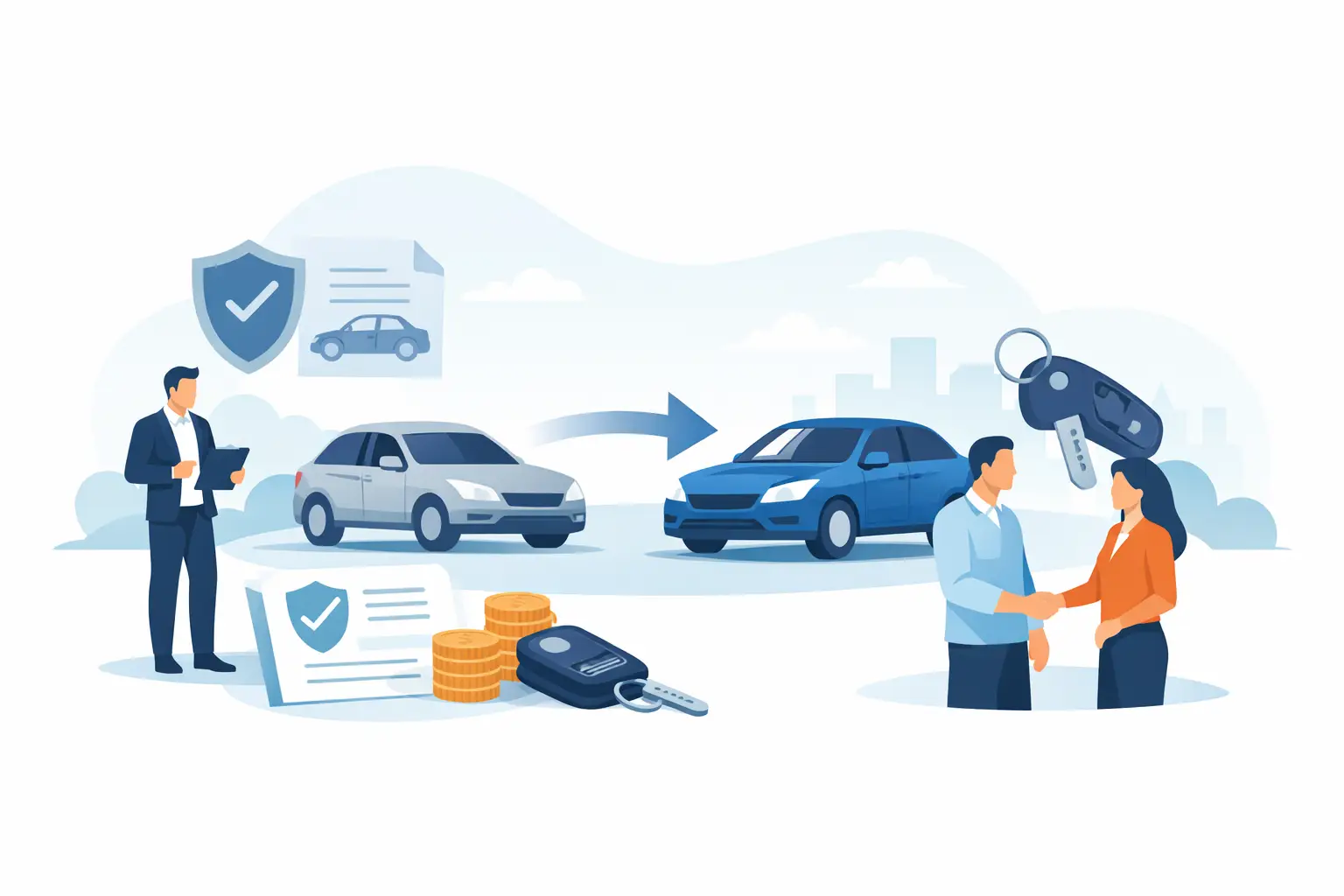
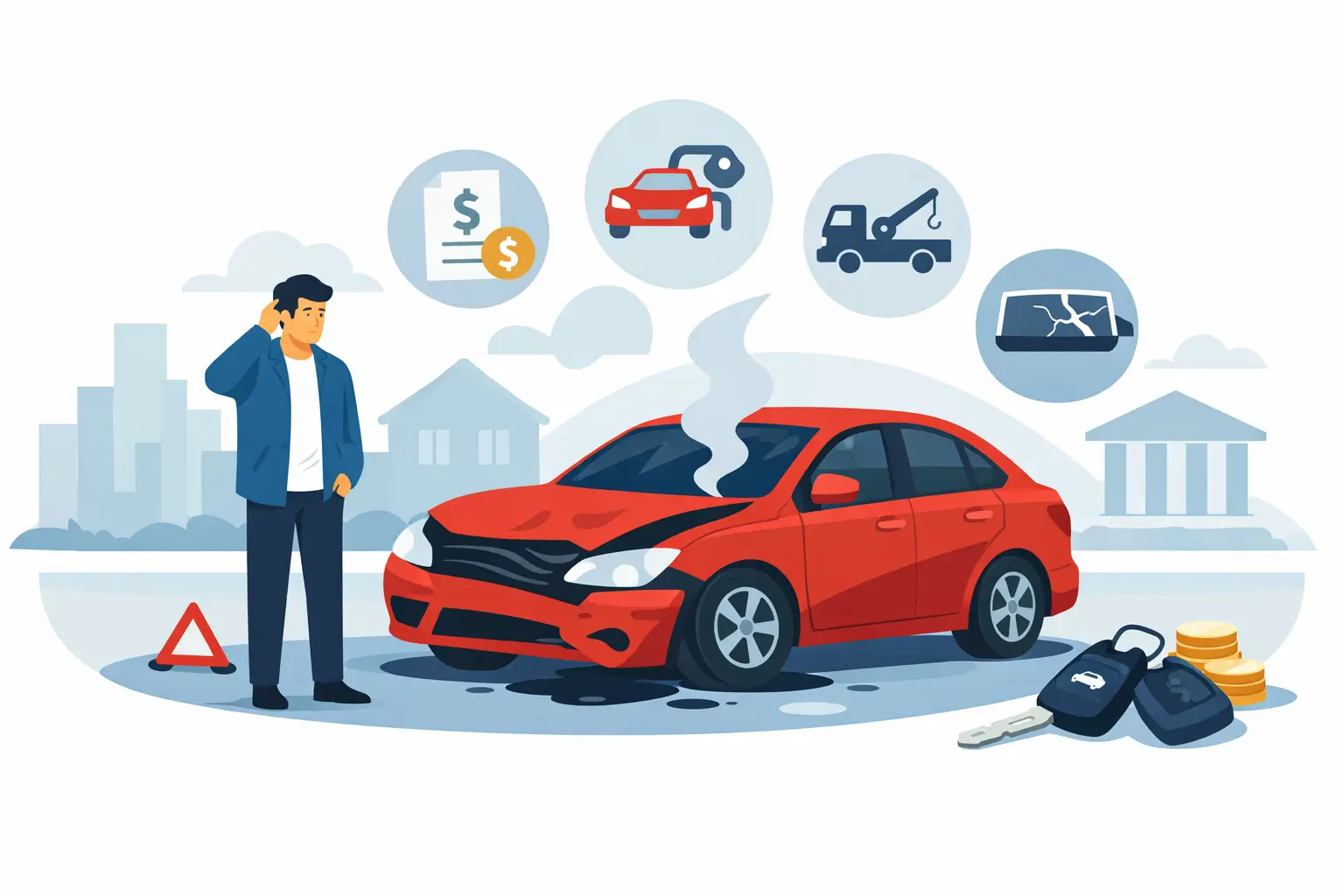
A customer loses their vehicle in a covered event, still owes the monthly payment, and suddenly needs transportation, cash flow relief, and a reason to stay loyal to your dealership or finance program. That is where a replacement vehicle assistance program becomes more than a nice add-on. It becomes a practical tool for protecting the customer experience while also protecting portfolio performance and backend income.
For lenders, lessors, dealerships, and buy-here-pay-here operators, the real question is not whether vehicle disruption creates hardship. It does. The better question is whether your product lineup addresses that hardship in a way that is easy to explain, easy to sell, and valuable to the business. A strong replacement vehicle assistance program can do exactly that when it is structured around real customer pressure points instead of generic promises.
What a replacement vehicle assistance program actually does
At its core, a replacement vehicle assistance program is designed to help when a customer’s vehicle becomes unusable after a covered event. That help can take different forms depending on the program. Some models focus only on replacement support after a total loss. Others go further and address the financial disruption that begins long before the customer secures another vehicle.
That distinction matters. If a vehicle is out of service, the customer may still be responsible for a car payment, may need immediate transportation, and may face unexpected out-of-pocket costs. A program that addresses only one part of the problem can still have value, but a program that covers the broader disruption is often more compelling at the point of sale and more meaningful when the customer actually needs it.
For automotive finance businesses, this is where the category becomes strategically useful. The best programs are not framed as abstract protection. They are positioned around payment continuity, customer relief, and a path back into the dealership or finance ecosystem.
Why the replacement vehicle assistance program matters to automotive partners
Every dealer and finance source knows the pattern. When a customer’s vehicle is sidelined, stress goes up fast. Payment behavior can change, service loyalty can weaken, and the relationship you worked to build can start to erode.
A replacement vehicle assistance program helps reduce that pressure. For the customer, it can provide immediate financial relief at the worst possible moment. For the business, it can help preserve goodwill, reduce interruption risk, and create a more resilient ownership experience.
This is not just about empathy, although that matters. It is also about performance. Ancillary products that solve visible customer problems tend to be easier for sales teams to present and easier for customers to understand. That improves product relevance in F&I and creates a clearer value story than products that feel distant or overly technical.
There is also a revenue angle that decision-makers should not ignore. If the program is monetizable, operationally simple, and differentiated from the standard menu, it can contribute to revenue per deal while supporting retention goals. That combination is hard to get from a product that exists only as a compliance checkbox or a commodity add-on.
Not all programs are built the same
This is where buyers need to be careful. Two products may both use the language of assistance, but the actual customer outcome can be very different.
Some programs offer a narrow reimbursement tied only to a replacement purchase. That can help, but timing matters. A customer often needs support immediately, not weeks later. Other programs are more comprehensive and may include monthly payment reimbursement when a covered event leaves the vehicle unusable, early-stage travel or miscellaneous expense support, and assistance toward a replacement vehicle after a total loss.
That broader structure has obvious business advantages. It gives the customer a stronger reason to say yes during the original transaction because the benefit feels real and specific. It also gives your team a clearer story to tell. Instead of explaining a vague future possibility, they can explain how the program helps with the monthly payment burden, short-term transportation strain, and the eventual replacement hurdle.
The trade-off, of course, is that stronger products require stronger training. If your staff cannot explain when benefits apply and how the customer accesses them, value gets lost. A better product still needs a disciplined rollout.
What dealers, lenders, and lessors should look for
When evaluating a replacement vehicle assistance program, the first test is practical relevance. Does it solve a problem your customer will immediately understand? If the answer is yes, adoption usually becomes easier.
The second test is business fit. Does the program support your goals around revenue, retention, and customer continuity? A product can sound attractive in a brochure and still fail in the showroom or portfolio if it does not align with how your operation actually works.
The third test is differentiation. Many automotive partners are looking for ways to stand apart without overcomplicating the sale. A program that is clearly distinct from traditional insurance products and standard aftermarket offerings can strengthen your presentation and improve perceived value. That is especially true for dealerships and finance sources competing on experience, not just rate or vehicle price.
Administration also matters. If claims communication, enrollment, or program explanation is clumsy, your team will feel it first. Simplicity is not a soft benefit. It is part of profitability.
How to position the program at the point of sale
The most effective sales approach is direct. Do not lead with product jargon. Lead with the disruption customers already understand.
A customer knows what it means to lose use of a vehicle. They understand the problem of still having a payment due while also trying to figure out transportation. When your F&I team explains a replacement vehicle assistance program through that lens, the value becomes concrete.
The conversation should stay focused on outcomes. If a covered event leaves the vehicle unusable, the customer may receive help with the monthly payment, immediate travel or miscellaneous expenses, and support toward another vehicle after a total loss, depending on program terms. That is a stronger conversation than simply saying the product offers assistance.
For dealer groups and finance companies, consistency is critical. A good script should be short, clear, and tied to the customer’s ownership reality. If every producer explains the program differently, penetration and compliance both suffer.
Why this category can strengthen retention
Customers remember who helped them during disruption. That memory has real commercial value.
A replacement vehicle assistance program can support dealership service-center return traffic, reinforce lender or lessor goodwill, and create a bridge back to the next transaction. When the customer feels supported rather than stranded, the relationship is more likely to continue.
This is especially relevant in markets where customer loyalty is fragile and replacement cycles are competitive. If your only value to the customer ends when paperwork is signed, you leave too much room for attrition. A well-structured membership-style benefit keeps your brand relevant when the ownership experience gets difficult.
That is one reason programs like CPR For Cars appeal to business partners looking for more than a standard ancillary product. The value is not limited to a single reimbursement event. It extends into customer confidence, retention opportunity, and long-term account stability.
The business case is stronger when the customer case is obvious
Automotive decision-makers do not need more products that sound good in theory and underperform in delivery. They need programs that sales teams can present with confidence and customers can appreciate when life gets expensive fast.
A replacement vehicle assistance program works best when it does three things at once. It gives customers meaningful relief, it gives your organization a credible source of backend value, and it supports continuity when a vehicle event threatens the relationship. If one of those pieces is missing, the program may still have value, but the business case gets weaker.
The strongest operators in this space are not adding products just to fill a menu. They are choosing revenue-generating protection solutions that make the ownership experience more durable and the customer relationship more profitable.
If you are evaluating your ancillary lineup, this category deserves serious attention. The right program can protect your customers and your bottom line at the exact moment both are under pressure.
When a customer’s vehicle becomes unusable, the real measure of your product strategy is simple: did you leave them with a problem, or did you give them a reason to come back to you?




Leave A Comment