
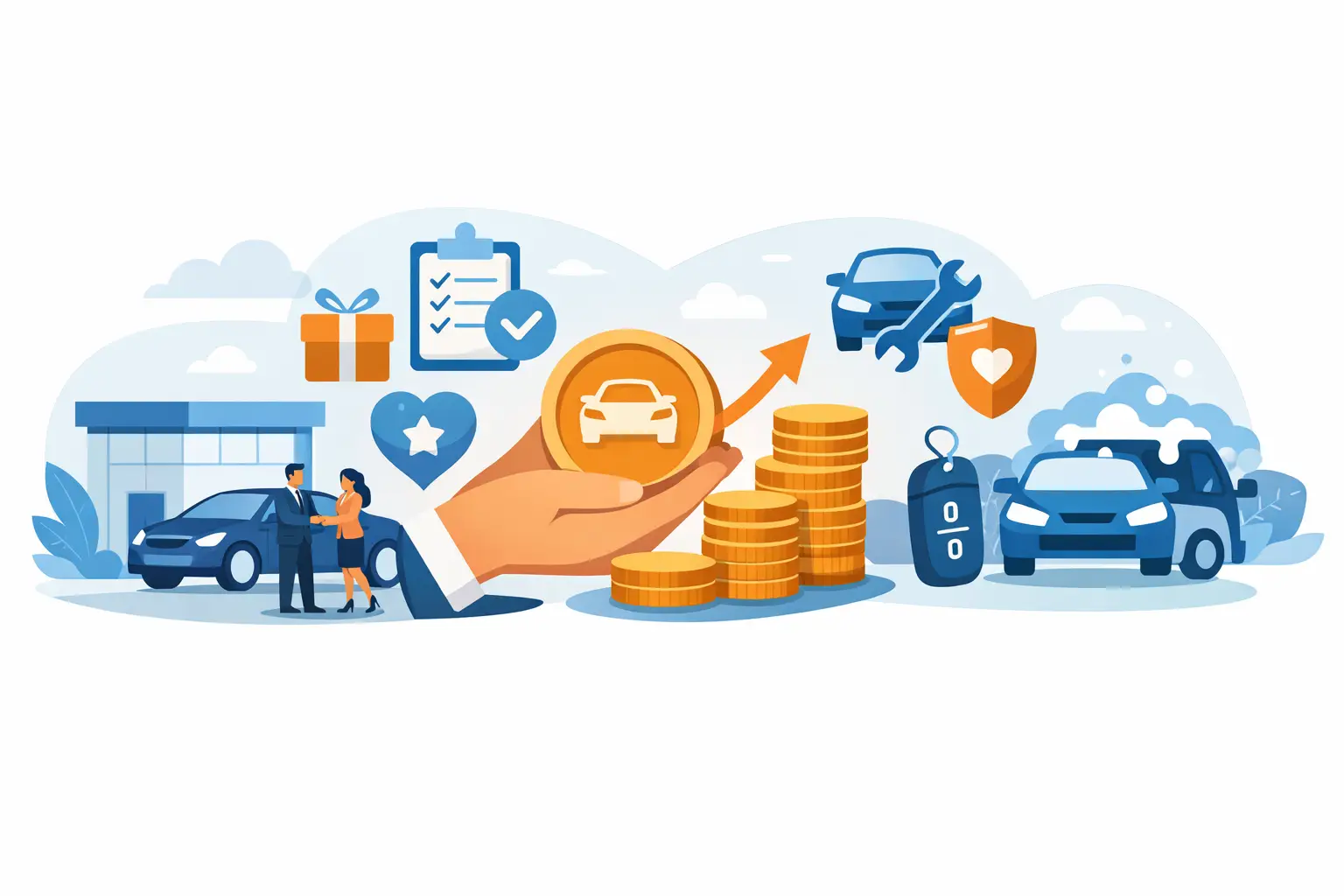
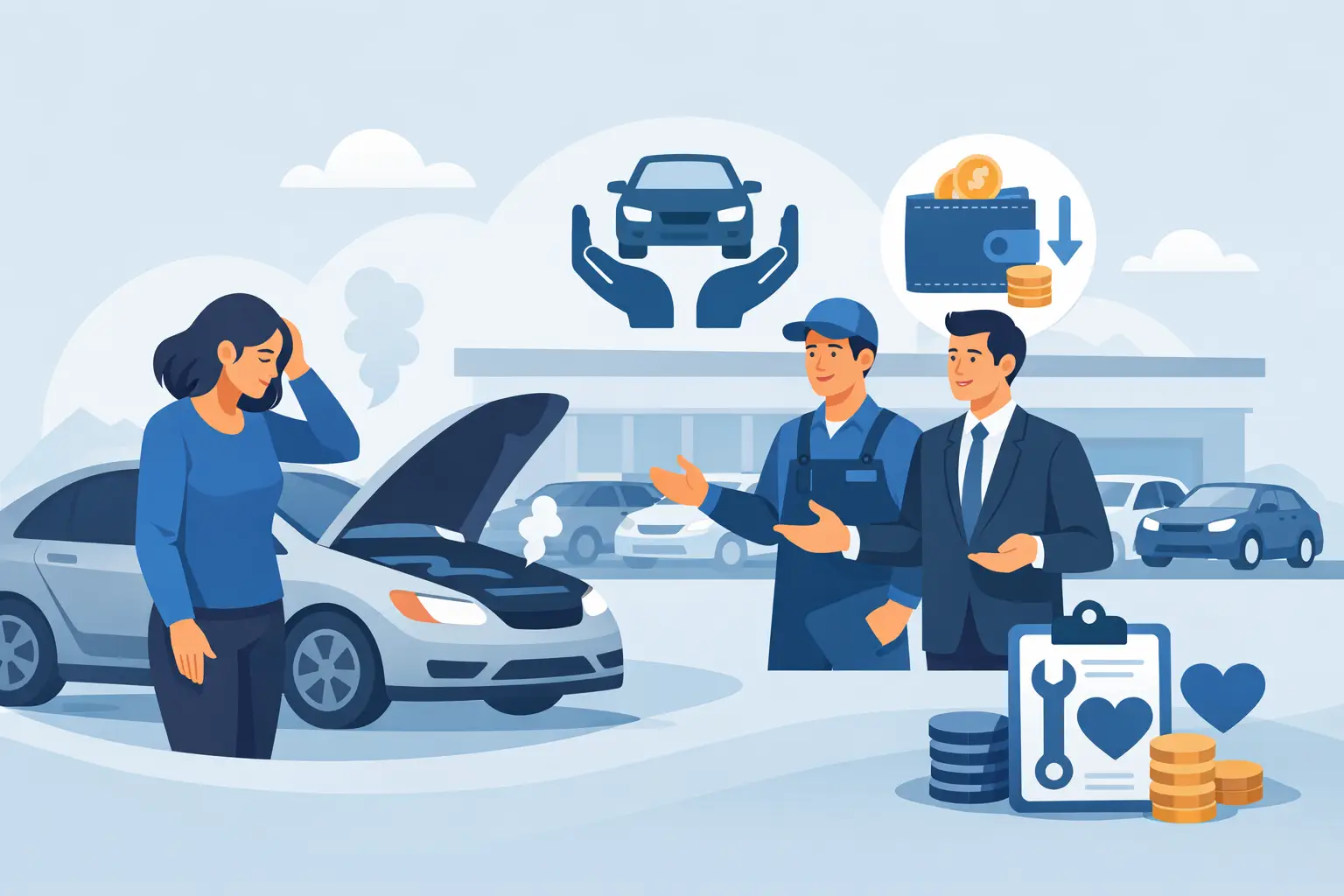
A customer buys a vehicle on Saturday, hits a pothole on Tuesday, and by Friday they are already frustrated with the ownership experience. That is exactly why top dealership loyalty add ons matter. The right products do more than add gross to the deal. They keep customers tied to your store, protect payment behavior, and give buyers a reason to come back when ownership gets inconvenient.
For dealerships, lenders, lessors, and BHPH operators, loyalty is not built on slogans. It is built on what happens after delivery. If your add-on menu only covers breakdowns, dents, and paperwork, you may be leaving a major gap. The strongest loyalty products support the customer when stress is highest and, just as important, reinforce your dealership’s role in solving the problem.
What top dealership loyalty add ons actually do
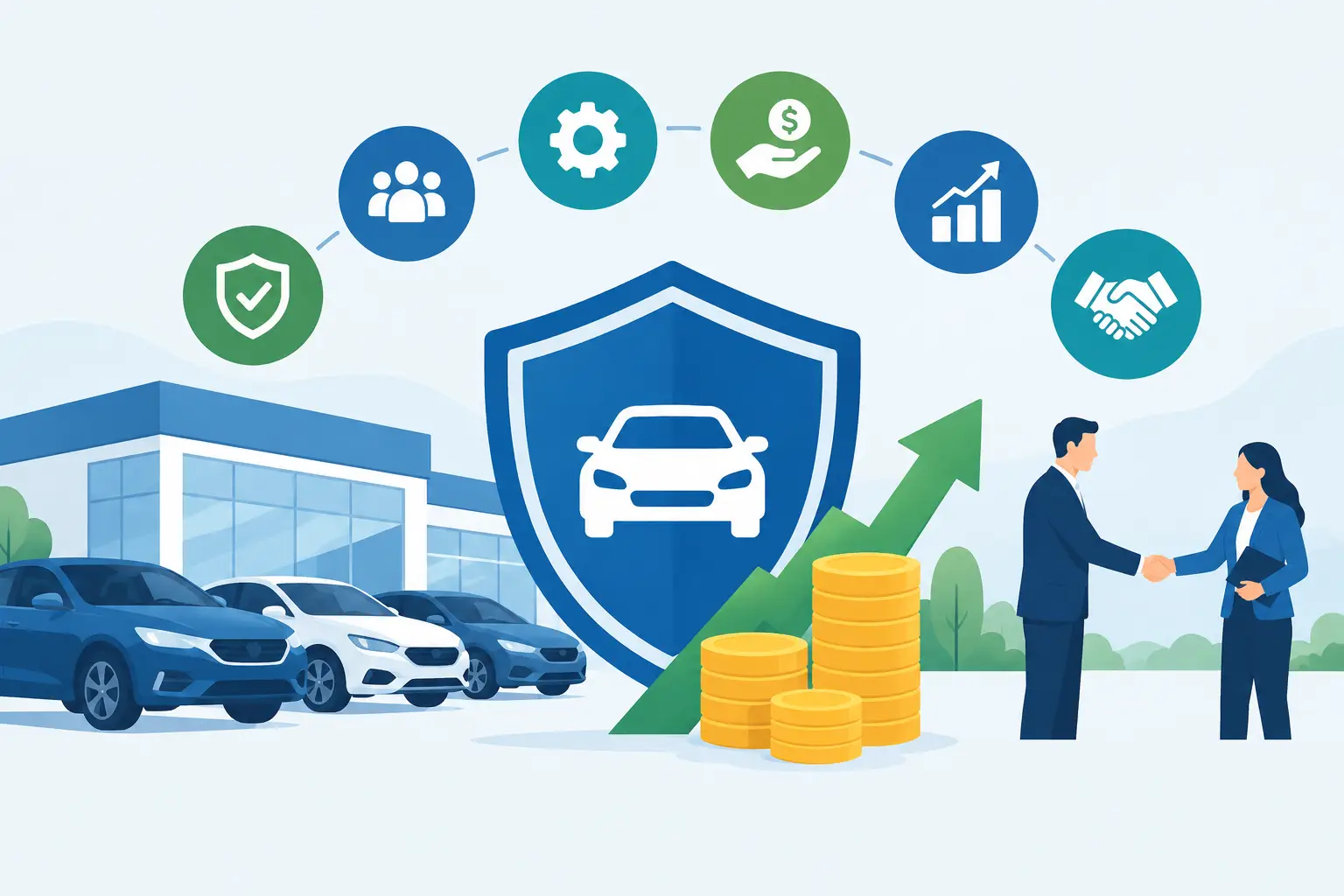
The best loyalty add ons create two outcomes at once. First, they give the customer a clear benefit they can understand quickly. Second, they create a business advantage for the dealer, whether that is more service-lane traffic, stronger retention, improved payment continuity, or additional F&I income.
That sounds obvious, but plenty of products only do one side well. Some are profitable but forgettable, so customers never use them and never connect the value back to the selling dealer. Others are customer-friendly but weak from an operational or margin standpoint. The top dealership loyalty add ons are the ones that work in the real world, not just on a menu presentation.
1. Car payment reimbursement memberships
This category deserves serious attention because it addresses a problem most dealerships see but few products tackle directly. When a covered event leaves a vehicle unusable, the customer still has a monthly payment due. That creates stress fast. If the customer is also dealing with transportation costs, repair delays, or a total loss, the financial pressure rises even more.
A car payment reimbursement membership helps offset that disruption. For the customer, the value is easy to understand – relief when they need it most. For the dealer, lender, or lessor, it can support payment continuity, protect goodwill, and create a more meaningful ownership benefit than another product the customer may forget exists.
This kind of add on also has a loyalty advantage many stores overlook. When a customer feels the dealership sold them something that genuinely helped during a difficult event, trust changes. That trust can translate into repeat sales, stronger service relationships, and better overall retention. In a market where customers compare every payment and every promise, that matters.
2. Prepaid maintenance plans
Prepaid maintenance remains one of the most reliable loyalty tools in automotive retail because it gives customers a built-in reason to return to the service center. Oil changes, tire rotations, and factory-scheduled maintenance may not sound exciting, but they are repeat touchpoints. Repeated touchpoints create relationship equity.
From a dealership perspective, prepaid maintenance can improve service absorption and increase the chances of capturing future repair work once the included visits are complete. It also gives your team more opportunities to inspect the vehicle, identify needs early, and stay connected to the customer before they start shopping independent repair shops.
That said, maintenance plans work best when pricing is reasonable and the terms are simple. If customers feel they overpaid for basic service or struggle to use the plan, loyalty can turn into resentment. Execution matters as much as the product itself.
3. Tire and wheel protection
Road hazard damage is common, frustrating, and expensive enough to get the customer’s attention. That is what makes tire and wheel protection a strong loyalty add on in many markets, especially where potholes, rough roads, and urban driving are routine.
Customers understand the risk because they have either experienced it or know someone who has. For dealerships, the benefit goes beyond the initial sale. A customer with tire and wheel coverage is more likely to return to the store when damage happens, giving your fixed ops team another opportunity to serve them and preserve the relationship.
The trade-off is that this product is not equally compelling in every region or buyer segment. In some rural or lower-payment markets, the perceived value may be lower than products tied more directly to payment relief or transportation disruption. It is a strong fit, but not a universal one.
4. Key replacement and key protection
Modern key fobs are expensive, inconvenient to replace, and surprisingly easy for customers to misplace. Key protection works because it solves an immediate problem with a clear dollar value attached. It is one of the easier products for a customer to understand during the F&I presentation.
As a loyalty driver, key protection is not as powerful as a product that repeatedly brings customers back for service, but it still has value. When a lost or damaged key becomes the customer’s problem, the dealership can become the solution. That is a worthwhile position to own.
This add on tends to perform best as part of a broader loyalty package rather than as the centerpiece. On its own, it is practical. Combined with stronger ownership benefits, it can improve the overall menu without carrying the full retention burden.
5. Appearance protection with reconditioning value
Appearance products often get dismissed as cosmetic, but the better programs can support long-term retention when positioned correctly. Paint, interior, windshield, or dent protection can help preserve trade-in condition and reduce the sting of everyday wear.
Why does that matter for loyalty? Because customers think about vehicle condition when they appraise value, prepare for lease turn-in, or consider trading early. If your protection product helps keep the vehicle cleaner, more presentable, or easier to recondition, it supports a better ownership path back to your store.
Still, this category depends heavily on how credible the product is and how disciplined the claims process feels. If customers see it as fluff, it will not build trust. If they use it and see results, it can quietly strengthen satisfaction over time.
6. Theft deterrent and recovery products
Vehicle theft concerns have become more visible, and that has improved the relevance of theft deterrent and recovery add ons. Customers want peace of mind, but dealers should evaluate these products carefully. The best versions do more than promise a sticker and a script. They offer a practical customer benefit and a believable recovery or replacement-related value.
From a loyalty standpoint, theft-related products can help at the moment of highest anxiety. They also fit well in markets where theft concerns are common discussion points during the sale. But they are not always the strongest driver of repeat service traffic unless paired with another retention-oriented product.
In other words, this category can protect customer confidence, but by itself it may not deepen the dealership relationship the way a service or payment-based program can.
7. Lifetime powertrain or limited warranty programs
A well-structured limited warranty can be a strong retention play because it encourages customers to maintain the vehicle and often keeps them engaged with the originating dealer. It can also create differentiation on the front end, especially for independent dealers and certified pre-owned operations competing against larger franchise groups.
The catch is profitability and administration. Some lifetime-style offers sound stronger in advertising than they perform in-store. Others require strict service compliance that customers do not fully understand. If the customer later feels the promise was narrower than expected, the loyalty benefit disappears.
That does not mean the category lacks value. It means dealers should choose partners and program terms carefully. A loyalty product is only as strong as the customer experience after the sale.
How to choose the right top dealership loyalty add ons
The right mix depends on your business model. A franchised rooftop with a strong service department may prioritize prepaid maintenance and tire protection because those products feed fixed ops. A BHPH dealer or finance-focused operation may place greater value on products that support payment continuity and customer stability during disruptive events.
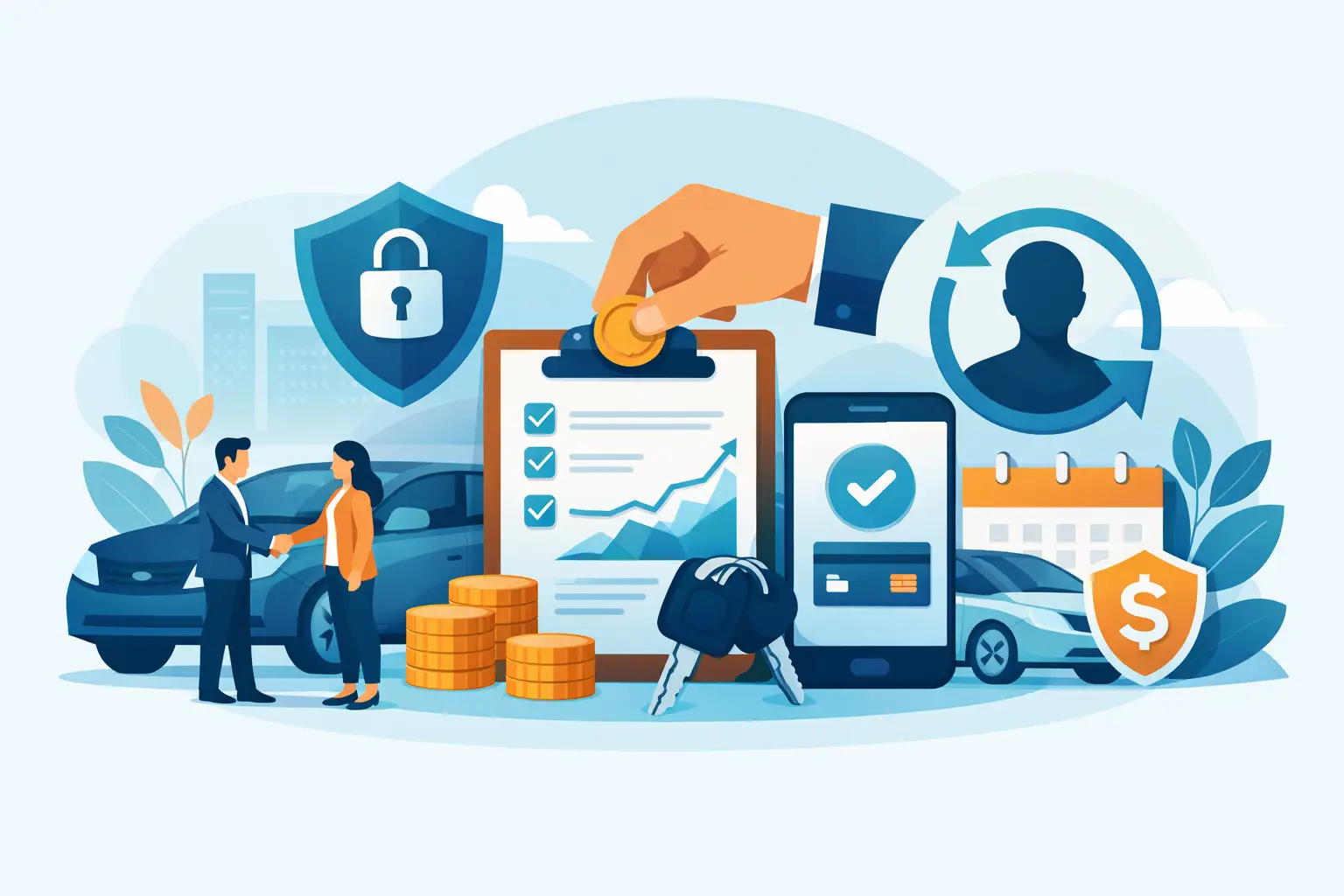
You should also look at what the product does for retention after the excitement of delivery fades. Does it give the customer a reason to contact your store again? Does it protect the relationship when ownership gets expensive or stressful? Does it create backend income without adding confusion, chargebacks, or avoidable friction in F&I?
Those questions separate meaningful products from menu clutter. The strongest add ons are easy to explain, easy to value, and useful when the customer actually needs help.
Why protection and loyalty should live in the same product strategy
Too many stores think about protection products as profit tools and loyalty initiatives as marketing tasks. That split leaves money on the table. The best aftermarket strategy does both. It protects the customer and your bottom line at the same time.
That is why payment-focused membership products deserve a larger role in the conversation. A customer can forget a brochure. They do not forget the business that helped them manage a real financial disruption. Programs like CPR For Cars are built around that reality, giving dealers a monetizable add on that supports customer relief, return traffic, and stronger goodwill when ownership takes a bad turn.
If you want loyalty that lasts past the delivery photo, choose add ons that show up when the customer’s confidence is tested. That is where loyalty stops being a buzzword and starts producing real revenue.




Leave A Comment