
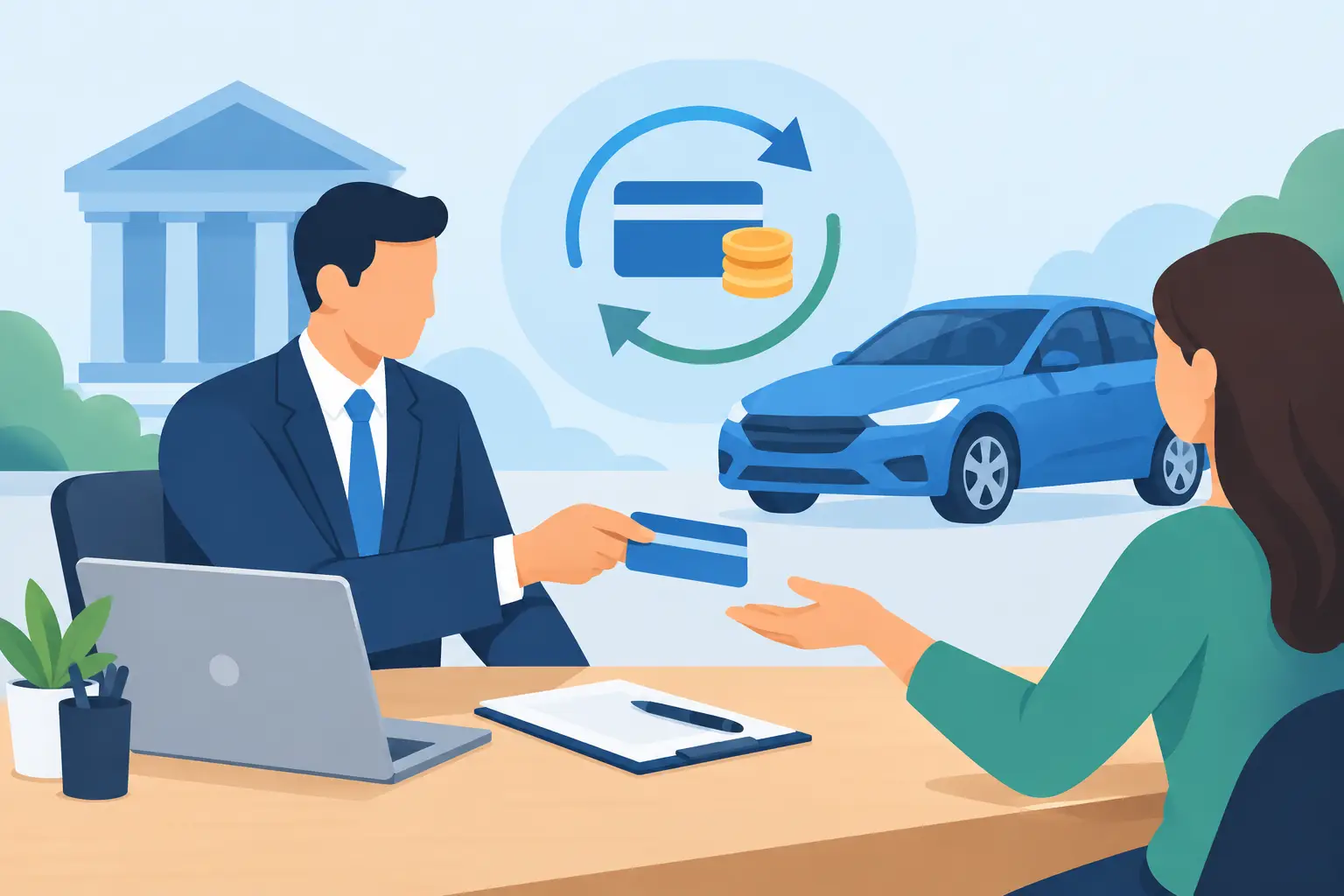
A borrower can be current on every obligation and still face a payment problem the moment their vehicle becomes unusable. So, can lenders reimburse auto payments? Yes, when the lender, lessor, or dealership offers a properly structured vehicle payment reimbursement membership that provides benefits after a covered event. This approach gives customers meaningful financial relief while helping automotive businesses protect payment continuity, preserve goodwill, and create additional revenue per transaction.
The distinction matters. A lender is not simply canceling a loan payment because a customer has a repair issue. Instead, a membership program can reimburse an eligible monthly vehicle payment when a covered event leaves the vehicle unusable, subject to the program’s terms, eligibility requirements, and benefit limits. It is a practical customer-care benefit with a clear business case behind it.
Can Lenders Reimburse Auto Payments Through a Membership?
Lenders, leasing companies, and dealers can make payment reimbursement available as an ancillary membership product at the point of sale or lease signing. The customer elects the membership, and the program is designed to reimburse a qualifying payment after a covered vehicle event disrupts the customer’s ability to use the vehicle.
That structure is fundamentally different from a lender changing the loan contract or excusing a delinquency. The underlying retail installment contract or lease remains in force. The reimbursement benefit helps the customer manage a disruptive expense period, reducing the pressure that can lead to missed payments, collections activity, or frustration with the dealership and finance source.
For a finance company, the value is straightforward: a borrower whose transportation is down may be dealing with repair bills, rental costs, rideshare expenses, missed work, and a monthly payment that is still due. A reimbursement benefit addresses one of the most immediate sources of financial strain. For a dealer, it adds a differentiated F&I offering that can improve revenue while reinforcing the customer relationship after delivery.
Why Unusable Vehicles Create Payment Risk
Customers do not separate a vehicle breakdown from their broader financial picture. When a vehicle cannot be driven, the customer may have to pay for towing, alternate transportation, repairs, and lost time at work. Yet the monthly payment, lease payment, and insurance obligations do not stop simply because the vehicle is sitting at a repair facility.
This is where normal hardship tools have limits. A payment extension may move the obligation forward, but it does not eliminate the customer’s burden. A skip-payment option can create interest, term-extension, or policy considerations. A goodwill adjustment may be difficult to administer consistently across a portfolio. None of these approaches creates a revenue opportunity for the originating dealer or delivers a standardized benefit customers can understand before a problem occurs.
A payment reimbursement membership is designed for the specific gap between vehicle usability and payment responsibility. It gives the customer a defined benefit rather than an uncertain request for exception handling. It also gives the lender or dealer a repeatable program that can be presented, disclosed, and administered as part of the sale.
What a Vehicle Payment Reimbursement Program Can Include
The strongest programs do more than address one monthly payment. They recognize that the first days after a disabling event can be the most expensive and stressful for the customer.
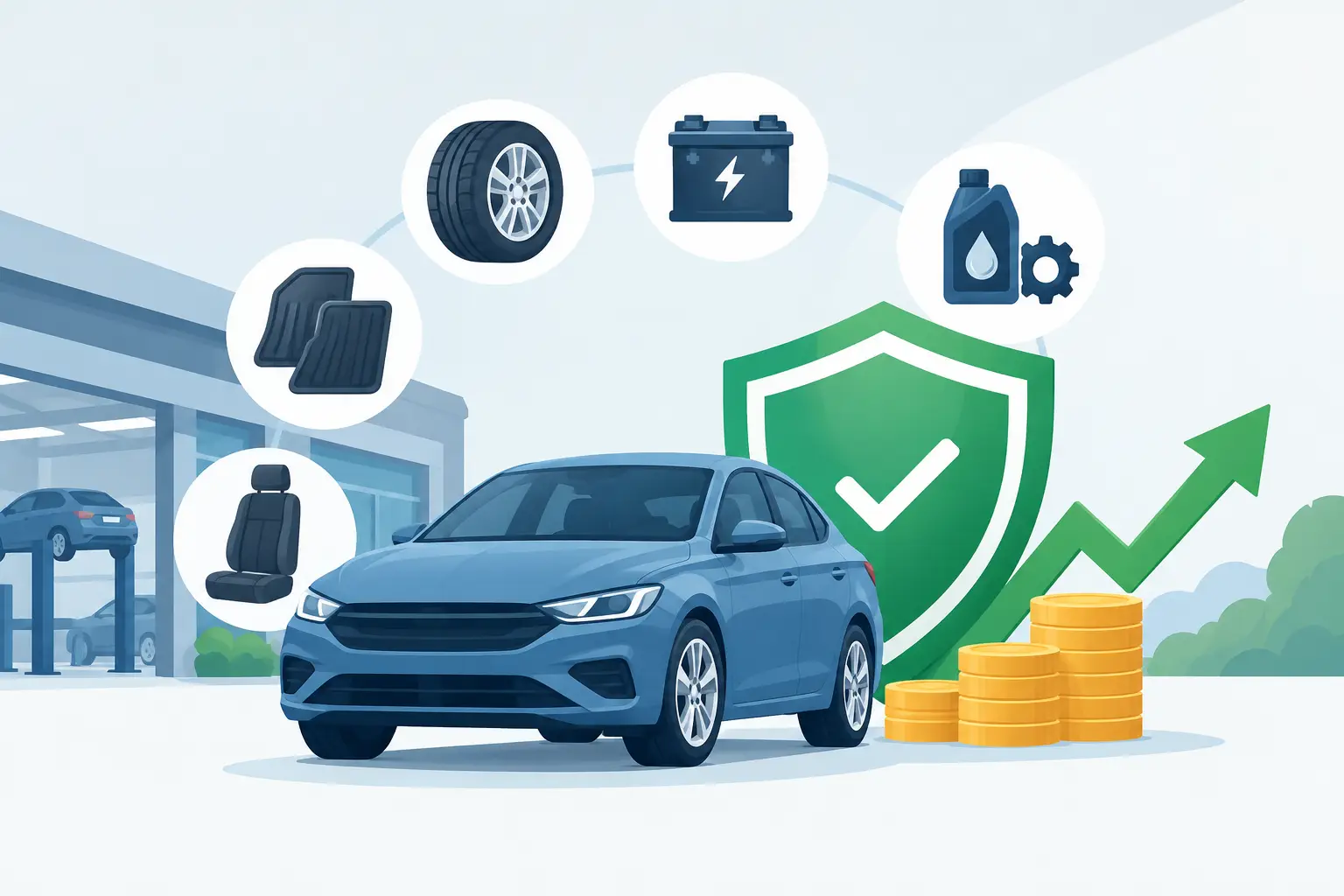
CPR For Cars is a non-insurance membership program built around that reality. When a covered event renders the vehicle unusable, the membership can reimburse the customer’s monthly car payment under applicable terms. It also provides up to $500 for immediate travel and miscellaneous expenses during the first year, plus up to $1,000 toward a replacement vehicle after a total loss, based on the customer’s down payment with the original dealer.
Those added benefits matter commercially. Immediate travel assistance can help a customer keep working, get children to school, or reach essential appointments while the vehicle situation is being resolved. Replacement-vehicle support creates a reason for the customer to return to the original dealer when they need another vehicle. That return traffic can protect future sales opportunities, finance opportunities, and service relationships.
Program specifics should always be presented accurately. Covered events, payment limits, waiting periods, documentation requirements, exclusions, and reimbursement procedures must be clear to the customer. A credible product is not sold through vague promises. It is sold by explaining exactly what the membership is designed to do when a qualifying disruption occurs.
The Business Case for Lenders, Lessors, and Dealers
Payment reimbursement should not be viewed only as a customer concession. It is a monetizable aftermarket product that supports both portfolio performance and dealership profitability.
For lenders and lessors, the potential benefit starts with payment stability. A borrower facing a sudden transportation crisis is more likely to contact the finance source, request assistance, or fall behind. A defined reimbursement benefit can reduce the immediate cash-flow shock and help preserve the customer’s ability to stay current. It cannot eliminate all credit risk, and it should never be represented as a guarantee against delinquency. But it gives the customer a practical resource at a moment when payment behavior is under pressure.
For dealerships, the membership creates a new backend income opportunity without relying on a one-size-fits-all discount or a reactive goodwill decision. It also gives F&I managers a customer-centered story that is easy to explain: if a covered event makes the vehicle unusable, the program may help with the payment and other immediate expenses.
Buy-here-pay-here operators have a particularly direct use case. Their customers often depend on one vehicle for work and family transportation, while the dealership carries the payment risk more closely than a traditional indirect lender. A benefit that helps customers navigate a covered loss of vehicle use can support relationship retention and reduce the tension that follows an unexpected repair disruption.
The product also creates differentiation. Many dealerships offer familiar protection products. Fewer can present a payment-focused membership that speaks directly to the concern every financed or leased customer understands: what happens if I still owe a payment but cannot use my vehicle?
How to Offer the Benefit Without Creating Confusion
The sales process should be simple, consistent, and compliant. Position the product as a membership benefit, not as insurance and not as a promise that every repair or vehicle issue will trigger payment. Customers need to understand that reimbursement is tied to covered events and program terms.
F&I teams should connect the benefit to the customer’s real ownership experience. A useful explanation is that major vehicle disruptions can create two costs at once: the cost of getting around and the cost of a payment that remains due. The membership is designed to help when a covered event puts the customer in that position.
Avoid leading with fine print, but do not hide it either. Give customers a clear explanation of the available benefits, how reimbursement is requested, what documents may be needed, and the limits that apply. Clear expectations protect the customer, the selling dealer, and the finance partner.
Operationally, partners should establish ownership across the process. Sales and F&I teams need training on how to present the membership. Administrators need a clear workflow for enrollment and customer questions. Lender and lessor stakeholders should understand how the benefit complements existing hardship and collections policies rather than replacing them.
Choosing a Program That Supports the Bottom Line
Not every ancillary product earns its place in a dealership or lender program. The right payment reimbursement offering should be easy to explain, relevant to the financed vehicle, and capable of delivering value after the sale. It should also create a credible path to incremental revenue, customer retention, and return business.
Decision-makers should evaluate whether the program provides meaningful benefits beyond a generic repair promise, whether its terms are clear enough for frontline teams to communicate, and whether it supports the customer relationship during the moments that determine long-term loyalty. A product that offers payment relief but gives customers no reason to return to the dealer may leave future value on the table. A product with attractive revenue but unclear customer benefits can create avoidable friction.
The better approach is to offer a membership that protects customers when transportation problems become financial problems, while giving your organization a measurable reason to stay involved in the solution. When a borrower calls because their vehicle is unusable, the strongest response is not simply to explain that the payment is still due. It is to have a benefit already in place that helps them move forward while protecting the relationship and your bottom line.






Leave A Comment