
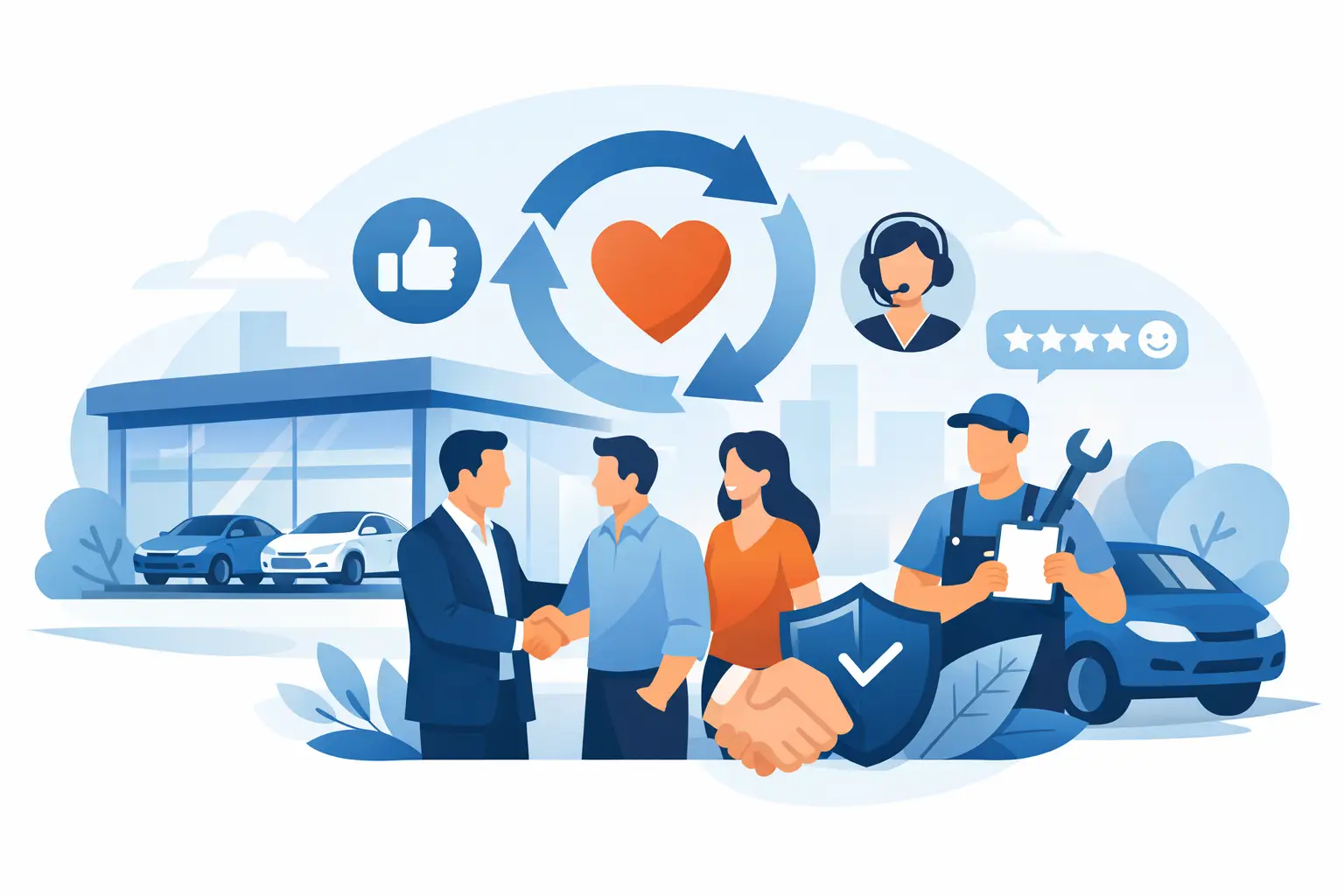
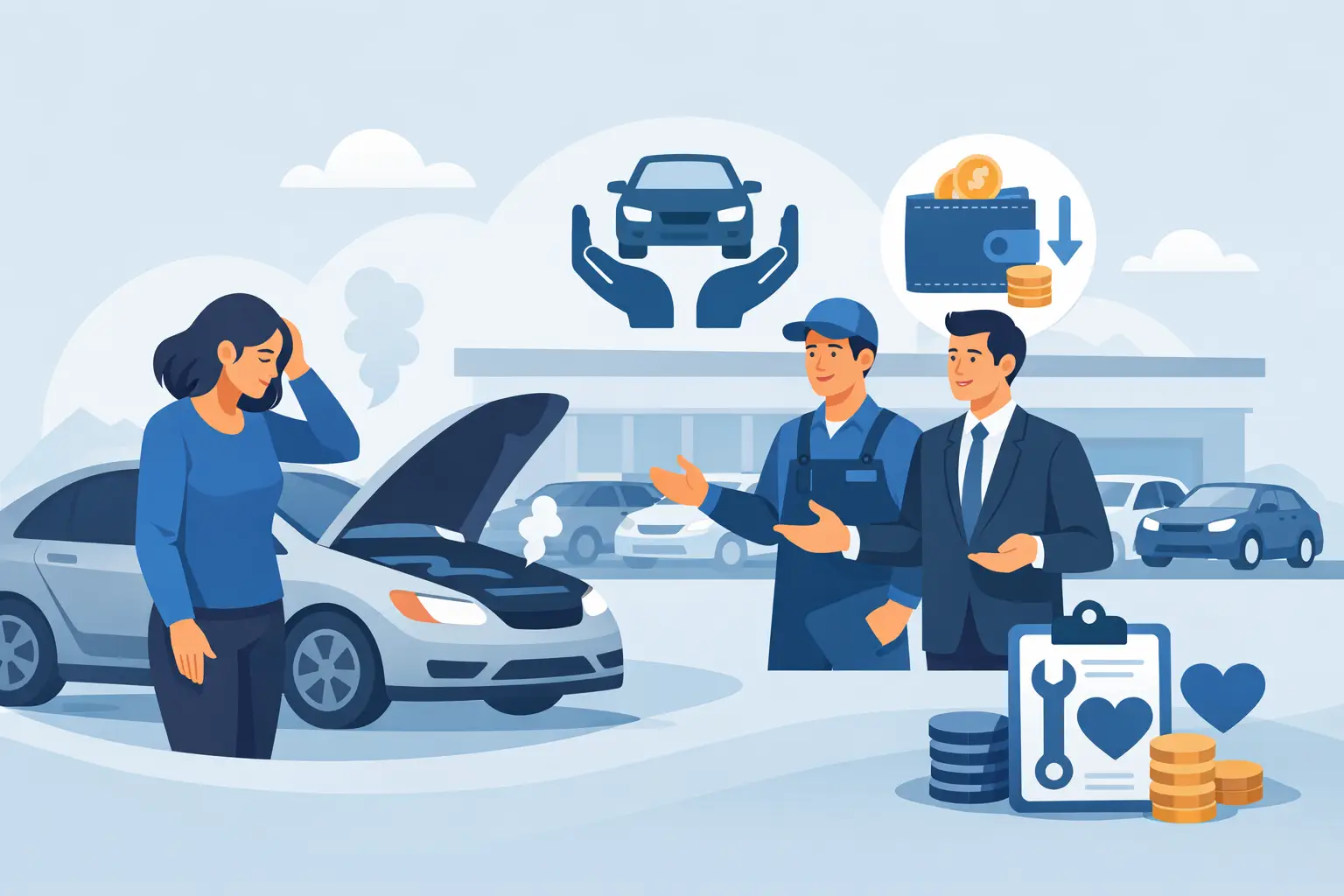
A customer buys a vehicle, signs the paperwork, and drives off feeling confident. Then real life shows up – a breakdown, an accident, a stolen vehicle, an unexpected repair timeline, or a total loss. If your dealership disappears from the customer experience at that point, retention drops fast. That is the real starting point for how to improve dealership retention: stay valuable after the sale, especially when ownership gets disrupted.
Retention is not built on follow-up texts alone. It is built on whether customers believe your store still has their back once the deal is funded. For dealerships, that matters far beyond goodwill. Better retention supports repeat purchases, stronger service lane traffic, more consistent payment behavior, better F&I performance, and a more durable customer relationship that competitors have a harder time pulling away.
How to improve dealership retention starts after delivery
Many stores still treat retention as a CRM scheduling issue. They focus on automated reminders, birthday messages, and service coupons. Those tools have a place, but they are not enough on their own. Customers stay loyal when a dealership solves problems that matter to their monthly budget, transportation needs, and peace of mind.
That is why post-sale strategy deserves more attention than post-sale messaging. If a customer faces a disruptive vehicle event and your only response is a generic service offer, the relationship weakens. If your store has a way to provide meaningful relief and keep the customer connected to your operation, retention improves for a very practical reason – you remained relevant when it counted.
For dealer principals, GMs, and F&I leaders, the question is not just how often to contact buyers. The better question is what value your dealership can deliver during the ownership cycle that competitors and online retailers cannot easily match.
Retention improves when the dealership reduces ownership friction
Customers do not separate the buying experience from the ownership experience as cleanly as dealerships do. They remember the whole arc. If the vehicle becomes unusable and the customer still owes a payment, the pain is immediate. If transportation costs pile up while repairs drag on, frustration grows. If nobody from the selling dealership offers a practical solution, loyalty erodes.
This is where retention strategy becomes a business issue, not a branding exercise. The dealerships that hold customers longer are the ones that reduce friction around ownership. Sometimes that means strong service operations. Sometimes it means faster communication. Sometimes it means aftermarket products that actually protect the customer instead of simply padding the deal.
That last point deserves honesty. Not every ancillary product improves retention. Some products are easy to sell but easy for the customer to forget. Others only matter in narrow cases. If you want stronger customer loyalty, focus on products that create a real reason for the customer to stay engaged with your dealership after a disruptive event.
Payment stress is a retention problem
A missed expectation during ownership often turns into a lost future sale. When customers feel financially exposed, they do not just blame the event itself. They often associate that stress with the overall vehicle purchase experience.
For financed and leased customers, payment continuity matters. If the vehicle is unusable but the monthly obligation remains, the customer can quickly feel trapped. That stress affects more than satisfaction. It can reduce trust, weaken return intent, and create tension across the lender, dealer, and customer relationship.
A dealership that helps protect the customer during those moments is not just being helpful. It is protecting future revenue.
The most effective retention strategy connects F&I, service, and customer care
One reason retention efforts underperform is that departments often work in parallel instead of in sequence. Sales sells the car. F&I presents products. Service manages repairs. The customer experiences all of it as one brand.
If you want to improve dealership retention, your store needs alignment around a simple goal: keep the customer attached to the dealership before, during, and after vehicle disruption. That means your F&I menu should support customer stability, your service team should know how to reinforce those benefits, and your management team should track retention as an operational outcome, not a vague aspiration.
A strong retention model usually includes three elements. First, the dealership gives the customer a clear reason to come back for service. Second, it offers meaningful support when ownership gets complicated. Third, it maintains communication that feels useful rather than repetitive. Miss one of those pieces and retention gets weaker.
Why service traffic matters so much
Service return traffic is one of the clearest indicators of retention strength. When customers come back to your service center, they stay inside your ecosystem. Your team sees the vehicle condition, catches equity opportunities, identifies trade cycles, and reinforces the relationship face to face.
But service traffic is not guaranteed just because your store has a good fixed ops department. Customers return when there is trust and a reason. If an ownership disruption sends them elsewhere for help, you lose more than a repair order. You lose touchpoints that often lead to the next sale.
That is why retention strategy should include products and processes that encourage customers to reconnect with the originating dealership after a covered event or vehicle issue.
How to improve dealership retention with meaningful F&I protection
The best F&I products do two jobs at once. They create revenue at the time of sale, and they support customer loyalty after the sale. That balance matters. A product that only produces immediate gross may help this month’s numbers, but it does not necessarily strengthen the long-term customer relationship.
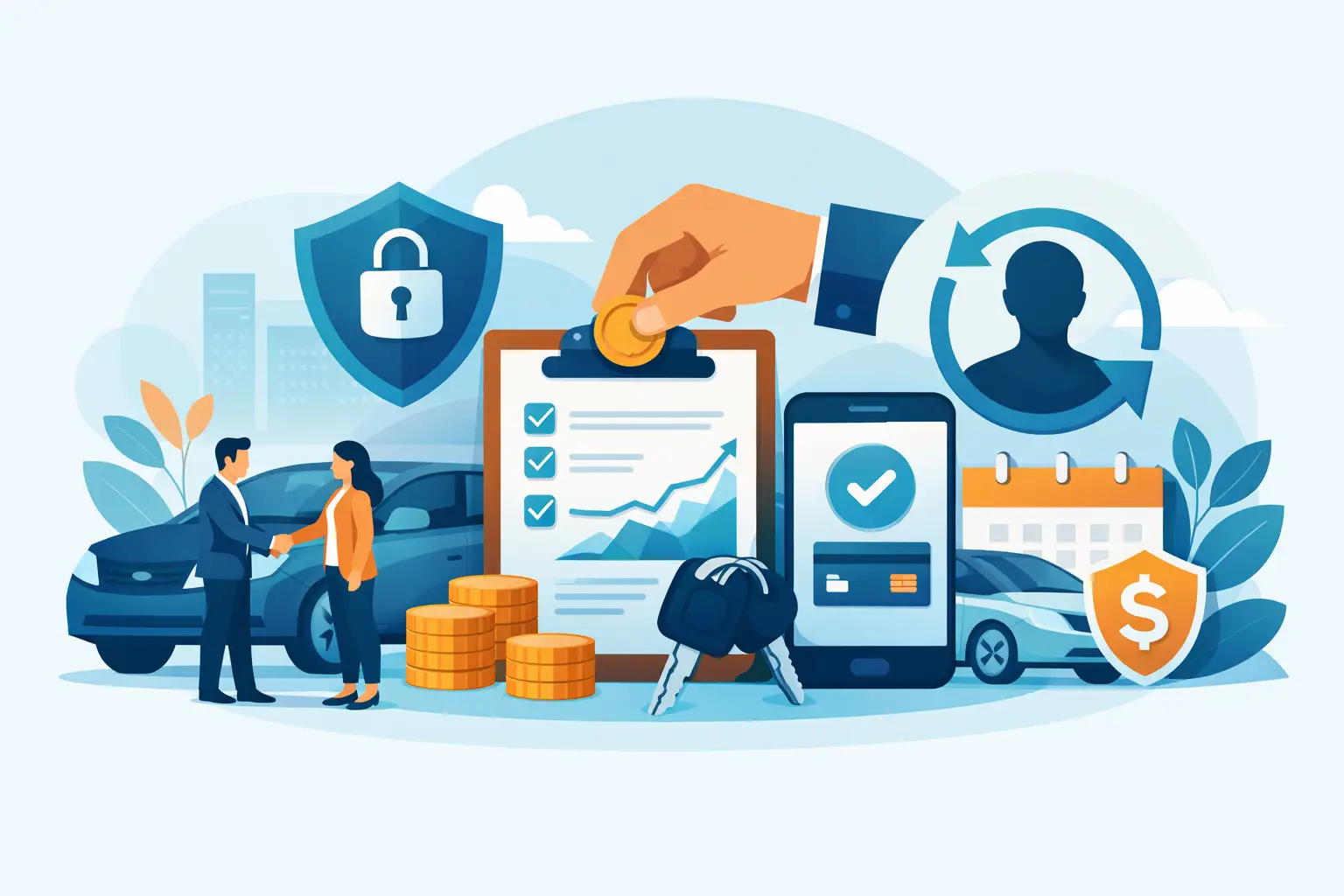
A payment reimbursement membership is a good example of a retention-focused approach because it addresses a problem customers immediately understand. If a covered event leaves the vehicle unusable, reimbursement for the monthly car payment can reduce financial strain at exactly the moment loyalty is most at risk. Add support for travel or miscellaneous expenses and replacement vehicle assistance after a total loss, and the product becomes more than an add-on. It becomes a reason for the customer to remember who protected them.
From a dealership perspective, that kind of product can do more than generate backend income. It can support payment continuity, strengthen customer goodwill, and create another pathway for service-center return traffic and future purchase consideration. For stores looking at how to improve dealership retention in a measurable way, that combination is hard to ignore.
There is a trade-off, of course. Any product added in F&I has to be presented clearly, compliantly, and with real customer relevance. If the team cannot explain the benefit in plain language, penetration will suffer and trust can be lost. The answer is not to avoid retention-focused products. The answer is to choose ones with straightforward value and train your team to position them correctly.
Operational habits that make retention work
Retention is won in the details. A dealership can have the right strategy and still underperform if execution is weak. The stores that retain customers well usually make a few things non-negotiable.
They set expectations at delivery. Customers know who to contact, where to service, and what support is available if something goes wrong. They train sales and F&I teams to explain ownership benefits in customer language, not industry jargon. They make sure service advisors can recognize enrolled customers and reinforce the value of returning to the dealership.
They also pay attention to timing. A follow-up call one week after delivery is fine. A proactive outreach during a disruptive event is far more powerful. That is when loyalty gets tested.
If your dealership tracks only units sold and gross per copy, you are missing the real retention picture. You should also watch service return rates, repeat buyer percentages, ancillary product utilization, and the percentage of customers who stay connected to the store after a claim, repair interruption, or total loss scenario. What gets measured gets managed.
Dealership retention gets stronger when the customer sees protection, not just promotion
Customers are used to dealerships marketing to them. What stands out is when a dealership can also protect them. That difference matters in a crowded market where price transparency has made it harder to compete on the front end alone.
Protection creates memory. If your dealership helped a customer navigate a bad ownership event with practical financial relief, that customer is more likely to return, more likely to service with you, and more likely to view your store as a long-term partner instead of a one-time seller. That is the kind of loyalty that supports both revenue and reputation.
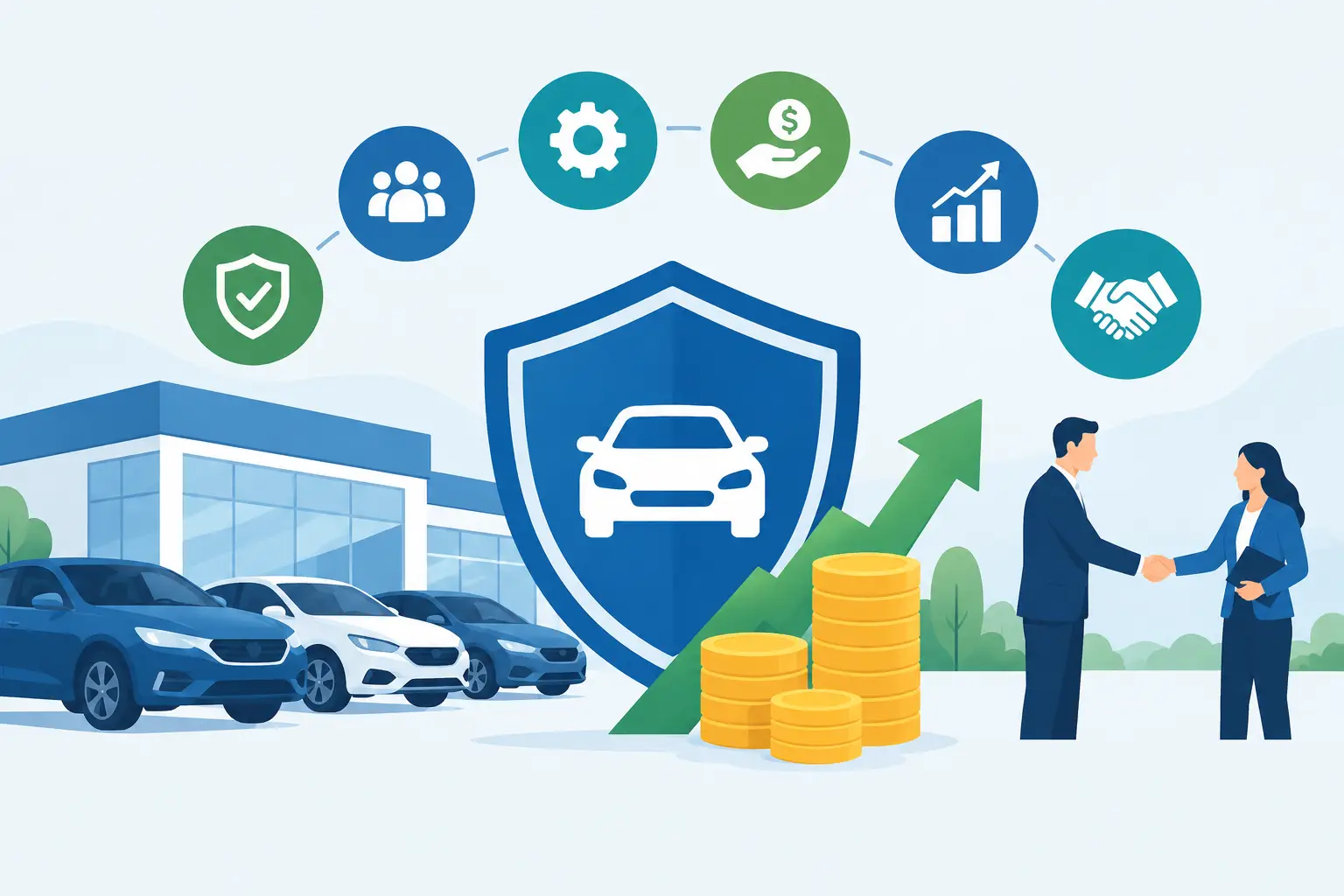
For automotive businesses evaluating how to improve dealership retention, the opportunity is clear. Build your retention model around real customer outcomes, not just reminders and promotions. Give buyers a reason to stay connected when ownership gets difficult, and your dealership will be in a stronger position to protect both the customer and the bottom line.
If you want customers to come back, give them something worth coming back to.




Leave A Comment