
A customer can leave the dealership excited about a new vehicle and still become financially vulnerable the first time that vehicle is out of service after a covered event. That gap is where dealer loyalty incentives can do more than offer a future discount. The right incentive protects the ownership experience, gives customers a reason to return, and helps the dealership preserve revenue after the original sale.
For dealers, lenders, lessors, and BHPH operators, loyalty is not a soft metric. It affects service retention, repeat purchases, payment performance, referrals, and the lifetime value of every account. A meaningful program has to deliver visible customer value while supporting the business behind the transaction.
Why Traditional Loyalty Programs Fall Short
Many automotive loyalty programs focus on points, coupons, oil-change offers, or discounts on the next vehicle. Those tools can be useful, especially for a dealership with a strong service operation. But they often arrive after a customer has already decided where to have repairs completed or where to shop for their next vehicle.
They also do little for the pressure customers feel when an accident, theft, or covered event leaves their vehicle unusable. A repair bill is one issue. A continuing car payment, transportation costs, missed work, and uncertainty around replacing a totaled vehicle are another. When a customer feels unsupported during that moment, a points balance is not likely to change their perception of the dealership or finance source.
The strongest loyalty incentives address a real ownership problem. They create a benefit customers can understand at delivery, remember when trouble occurs, and associate with the dealer that provided it. That is a better foundation for long-term goodwill than a generic offer that looks the same as every other promotion in the market.
Dealer Loyalty Incentives Should Protect the Ownership Experience
The most effective incentives work because they are relevant to the ownership lifecycle. They should help customers at a point where the relationship is at risk, not merely reward them after a routine transaction.
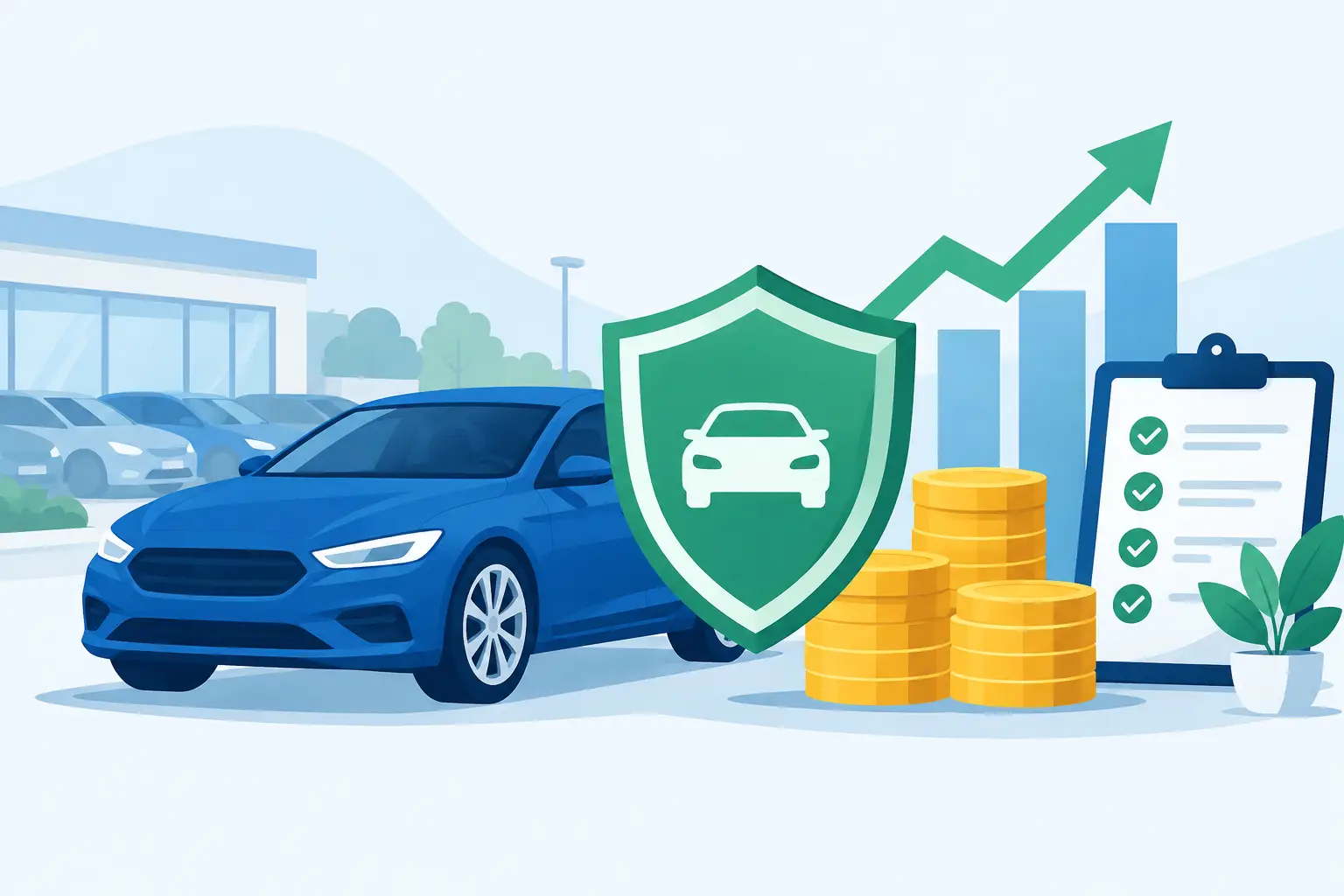
A vehicle payment reimbursement membership is one example. When a covered event makes a vehicle unusable, the program can reimburse the customer’s monthly car payment, subject to membership terms. CPR For Cars also provides up to $500 for immediate travel and miscellaneous expenses in the first year and up to $1,000 toward a replacement vehicle after a total loss, based on the customer’s down payment with the original dealer.
That structure gives the dealer a practical loyalty story: the dealership did not disappear after delivery. It helped provide a source of financial relief when a disruption could otherwise damage the customer relationship. This is a membership benefit, not traditional insurance, and that distinction matters when teams present it accurately and consistently.
The value is not limited to customer sentiment. A reimbursement-oriented benefit can help reduce the strain that comes with a vehicle being out of service while a payment obligation remains. For finance partners, that makes the offering relevant to payment continuity. For dealerships, it creates a reason for customers to remain connected to the original selling dealer when they need assistance, repair guidance, or a replacement vehicle.
Build Incentives Around Measurable Business Outcomes
A loyalty incentive should have a clear operational purpose. If a program cannot be explained in terms of revenue, retention, or customer behavior, it is difficult for F&I teams and leadership to support it over time.
Start with retention. Customers are more likely to remember who helped them through a difficult event than who offered the lowest-priced oil change. A meaningful protection benefit can reinforce the relationship at a time when customers may otherwise blame the dealer, lender, or vehicle for financial stress they did not expect.
Next, consider service-center return traffic. When an ownership benefit is connected to the original dealer relationship, the dealership has a stronger opportunity to guide customers back to its service lane. This is not a guarantee that every repair stays in-house. Customer location, vehicle condition, warranty status, and repair capacity all matter. But a loyalty strategy that keeps the dealer involved is far more valuable than one that ends when the paperwork is signed.
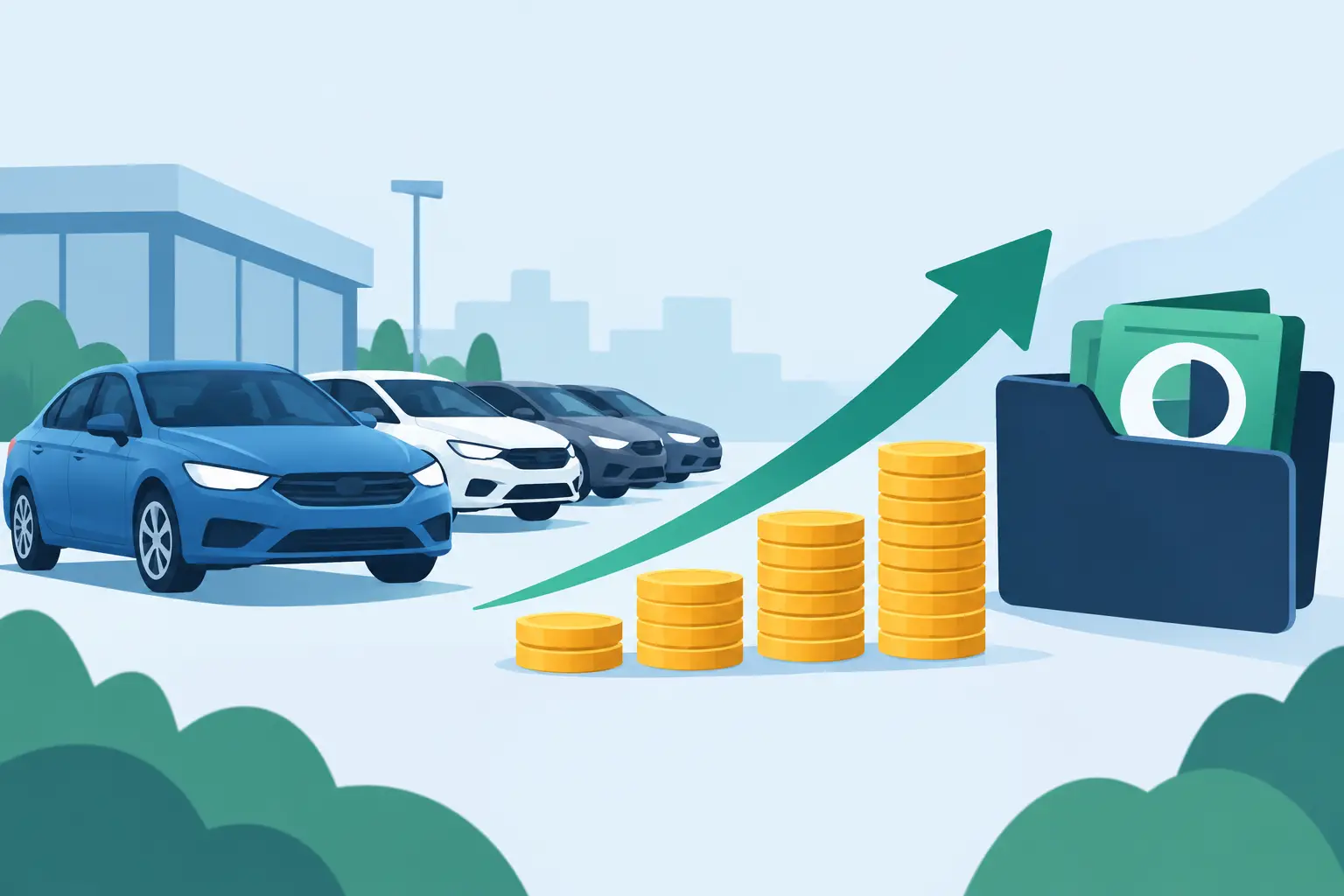
Then look at backend revenue. A dealer loyalty program should not become another uncompensated promise made at delivery. The right aftermarket membership can provide a monetizable product that adds value to the customer while creating revenue per deal. That gives F&I managers a more credible conversation than a feature-heavy product with no obvious day-to-day relevance.
Finally, measure repeat business. Track membership penetration, claims or reimbursement activity where appropriate, service visits, customer satisfaction, replacement purchases, and referral patterns. Not every benefit will produce a direct result in the same month. Loyalty works over the length of ownership, which is why the reporting window should match the customer lifecycle rather than only the first 30 days after sale.
How to Position the Program at Delivery
The delivery conversation determines whether customers see an incentive as meaningful protection or just another line item. Keep the explanation direct. Start with the problem: if a covered event leaves the vehicle unusable, the customer may still have a monthly payment and immediate transportation-related expenses.
Then explain the outcome in plain language. The membership can help reimburse a monthly vehicle payment after a covered event, with additional benefits for eligible immediate expenses in the first year and a replacement-vehicle contribution after a total loss. Avoid overpromising. Teams should never suggest that every event is covered or that the membership eliminates all out-of-pocket costs. Clear expectations protect the customer and the dealership.
This approach also makes the incentive easier for salespeople and F&I managers to introduce. They are not selling a vague loyalty concept. They are offering an ownership benefit with a specific purpose: help customers manage disruption and stay connected to the dealership that sold them the vehicle.
Make Loyalty a Team Strategy, Not an F&I Add-On
Even the best product can underperform if it is treated as an isolated F&I offer. Sales teams need a simple way to introduce the ownership benefit before the customer enters the finance office. F&I needs approved language, clear disclosures, and confidence in the value proposition. Service advisors should understand that eligible customers may return with questions after a covered event.
Leadership also needs to establish the right incentive structure internally. If employees are rewarded only for gross profit, they may present the membership as a hard close. If they are measured on product penetration, customer experience, and retention outcomes, the conversation is more likely to stay focused on fit and value.
Training should include real-world scenarios. Consider a customer whose vehicle is unavailable after an accident, a lessee facing transportation costs during a disruption, or a BHPH customer whose payment obligation continues while they are trying to get back to work. These examples make the customer benefit tangible without turning the presentation into a lengthy script.
Avoid the Common Loyalty Mistakes
The first mistake is relying only on discounts. Discounts can encourage a single visit, but they rarely create durable loyalty unless they are paired with a benefit that matters when customers need help most.
The second is offering too many overlapping products without a clear role for each one. Customers should be able to understand why the membership exists and how it differs from insurance, warranties, or maintenance plans. Confusion lowers trust and increases cancellations.
The third is failing to support the customer after the sale. A loyalty benefit becomes far more powerful when staff can direct customers to the right next step after a covered event. Fast, accurate guidance protects goodwill and reinforces the dealership’s promise.
The fourth is treating every market the same. A high-volume franchise dealer, an independent used-car store, a credit union, and a BHPH operation may all value loyalty, but their customer profiles and revenue models differ. Program positioning, pricing, and training should reflect the business model and local customer needs.
A Better Standard for Customer Loyalty
The best dealer loyalty incentives are not giveaways. They are strategically designed benefits that help customers manage real disruption while giving automotive businesses a stronger path to retention, revenue, and repeat transactions.
When your dealership can say it protects customers beyond the sale, that message carries more weight when it is backed by a product with defined financial relief. Build loyalty around the moments that test the relationship, and customers will have a stronger reason to return when they are ready for service, replacement, or their next vehicle.




Leave A Comment