
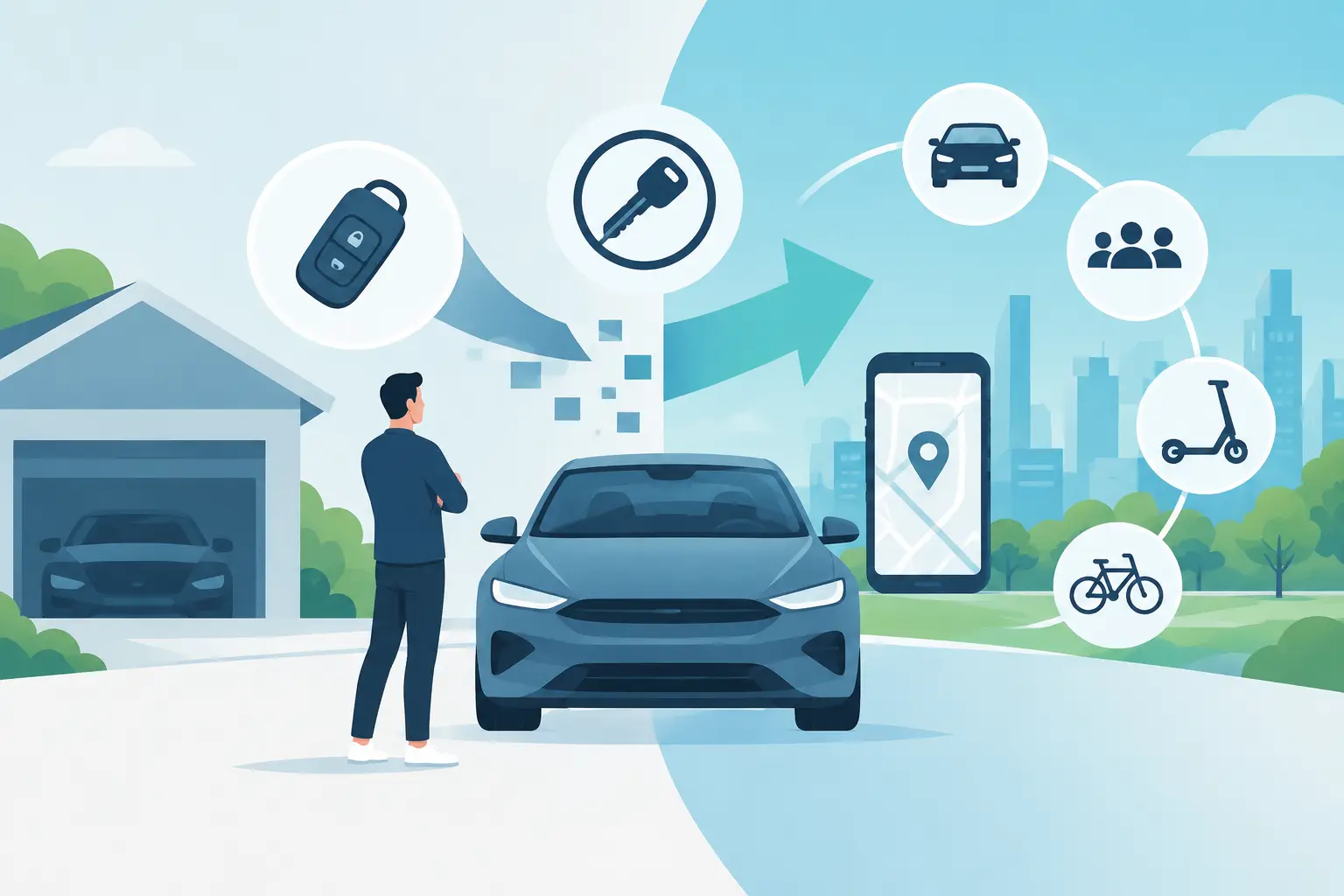
A customer can be current on every payment, need their vehicle to get to work, and still face a financial break when that vehicle becomes unusable. The repair bill is one problem. The monthly payment that continues while the customer has no transportation is often the bigger one. This guide to vehicle ownership disruption explains how automotive finance partners can address that gap while creating stronger customer relationships, service retention, and backend revenue.
For lenders, lessors, dealerships, and BHPH operators, vehicle disruption is not a side issue. It can affect payment behavior, customer satisfaction, collections conversations, and future loyalty. The right protection product gives customers meaningful relief at the exact point ownership becomes difficult, while giving the business a differentiated product with measurable value.
What Vehicle Ownership Disruption Really Means
Vehicle ownership disruption begins when a customer cannot use the vehicle they are still obligated to pay for. A covered event can leave a driver without reliable transportation, facing out-of-pocket travel costs, and trying to keep up with a payment that does not pause simply because the vehicle is inoperable.
From the customer’s perspective, the disruption is practical and immediate. They may need rideshare trips, rental transportation, childcare changes, missed work, or alternate arrangements to keep their household running. From the finance partner’s perspective, that disruption can become a payment-continuity issue. A borrower under pressure is more likely to call late, miss a payment, or view the lender or dealership as part of the problem rather than a source of support.
Traditional protection products may address certain repair costs or physical damage. They do not always address the broader ownership burden: the payment due on a vehicle the customer cannot use and the immediate expense of getting around. That is the opening for a vehicle payment reimbursement membership.
Why Disruption Protection Belongs in the F&I Conversation
F&I products perform best when they solve a recognizable customer problem and are easy for the sales team to explain. Vehicle ownership disruption meets both tests. The customer understands the issue quickly: “What happens to my payment if I cannot drive my car?”
A vehicle payment reimbursement membership gives the F&I office a direct answer. When a covered event makes the vehicle unusable, the membership can reimburse the customer’s monthly car payment, subject to program terms. This positions the product around cash-flow protection rather than a vague promise of coverage.
That distinction matters. Customers are not only buying a vehicle. They are taking on a monthly obligation that may last years. A disruption-focused membership recognizes that the real financial risk is often not just the repair itself. It is the collision between a continuing payment, lost mobility, and unexpected daily expenses.
For the dealership or lender, the product also creates a better value discussion than price alone. Instead of treating the F&I menu as a collection of add-ons, the team can present a practical membership designed to support the customer after delivery. That builds goodwill without giving away margin.
The Business Impact of an Unusable Vehicle
When a vehicle goes down, every partner in the ownership chain has something at stake. Dealers risk losing future service business if the customer takes the vehicle elsewhere or becomes frustrated with the ownership experience. Lenders and credit unions may see increased call volume, hardship requests, and payment friction. Lessors need to protect the customer experience while preserving a productive relationship through the lease term.
BHPH dealers face an especially direct exposure. The vehicle is central to the customer’s ability to work and make payments, while the payment stream is central to the dealer’s portfolio performance. A program that helps manage the customer’s disruption can support retention and encourage a more constructive payment conversation.
The business case is not that a membership eliminates every missed payment or customer complaint. It does not. Results depend on program adoption, clear disclosures, covered-event eligibility, and how effectively the product is presented. The opportunity is to give customers a resource before a disruptive event turns into a financial relationship problem.
A Guide to Vehicle Ownership Disruption Products That Sell
The most effective programs have a simple customer story and a clear partner story. The customer story is relief: help with the monthly vehicle payment when a covered event leaves the vehicle unusable. The partner story is performance: additional revenue per deal, a differentiated offering, stronger retention, and better long-term customer value.
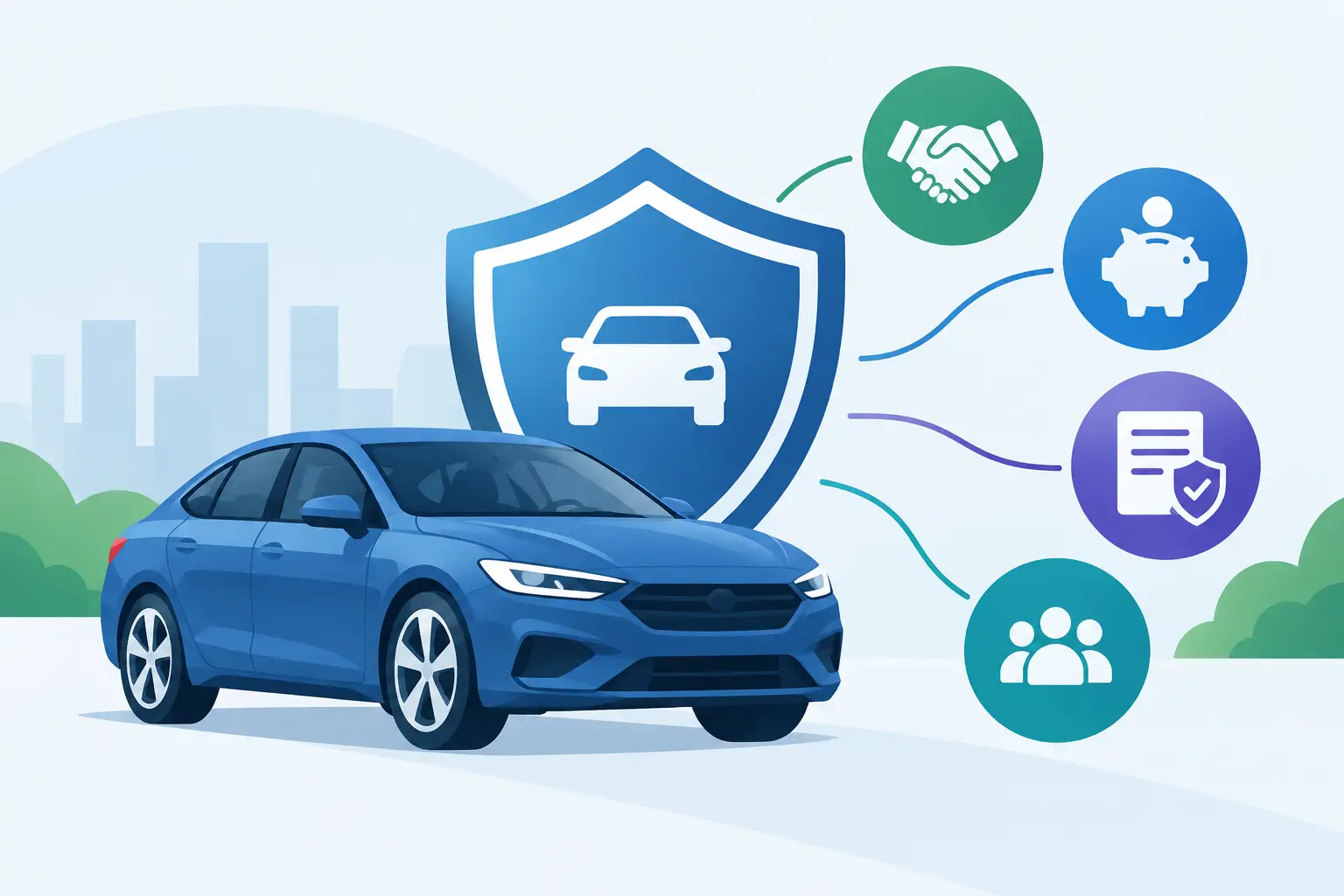
CPR For Cars is structured as a non-insurance membership program for this purpose. It can reimburse a customer’s monthly car payment when a covered event makes the vehicle unusable. In the first year, it also provides up to $500 for immediate travel and miscellaneous expenses. After a total loss, it can provide up to $1,000 toward a replacement vehicle, based on the customer’s down payment with the original dealer.
Those benefits create a more complete ownership-protection conversation. The payment reimbursement addresses the ongoing obligation. The immediate-expense benefit addresses the first days of disruption, when customers may be arranging transportation or handling unexpected costs. The replacement-vehicle benefit gives the original dealer a reason to remain part of the customer’s next purchase decision.
The specific benefit amounts, eligibility requirements, exclusions, and reimbursement conditions should always be communicated accurately. A strong program is not built on overpromising. It is built on a sales process that makes the membership understandable, relevant, and compliant.
Build the Product Into the Customer Journey
A disruption membership should not be introduced as an afterthought while paperwork is being printed. It works best when sales and F&I teams understand the customer profile and can connect the benefit to a real ownership concern.
A commuter with one household vehicle may see immediate value in payment reimbursement and travel assistance. A customer financing a used vehicle may be especially sensitive to the strain of an unexpected mechanical disruption. A lessee may appreciate a program that protects their mobility and monthly obligation without turning the conversation into an insurance discussion.
The presentation should stay concise. Sales teams do not need a technical script. They need to explain the problem, the customer benefit, and the next step. For example: if a covered event makes your vehicle unusable, this membership may reimburse your car payment and help with immediate transportation-related expenses. That is a clear, customer-centered explanation.
Operational follow-through matters just as much. Partners should train staff on who can enroll, how program documentation is delivered, where customers go for help, and how claims or reimbursement requests are handled. If the product is sold confidently but service is unclear after delivery, the goodwill opportunity is lost.
Protect Revenue Without Treating Customers Like Revenue
The strongest ancillary products create a legitimate exchange of value. The partner earns additional income, while the customer receives support that can matter when their budget is under pressure. That balance is essential.
A payment reimbursement membership can contribute to revenue per retail installment contract or lease while giving the dealership a more compelling ownership package. It can also help maintain a connection to the original selling dealer. A replacement-vehicle benefit tied to the original dealer creates a reason for the customer to return when a total loss changes their situation.
Service-center traffic is another practical consideration. Customers who feel supported are more likely to preserve the relationship with the dealer that sold them the vehicle. That does not guarantee every repair stays in-house, but it improves the odds that the dealership remains the customer’s first call rather than an afterthought.
For lenders and portfolio managers, the benefit is more strategic. When a customer has a resource to address a covered disruption, the institution has a better chance to preserve the relationship through a difficult period. Payment protection should complement sound servicing, collections, and hardship practices, not replace them.
What Partners Should Evaluate Before Launching
Before adding a vehicle ownership disruption product, decision-makers should assess more than the revenue opportunity. They should evaluate whether the program fits their customer base, delivery process, compliance standards, and service model.
Start with the customer need. Review the vehicles you finance or sell, the payment ranges in your portfolio, and the situations that commonly lead to payment stress. Then review the product mechanics closely. Confirm the covered events, reimbursement process, customer documentation, benefit limits, and marketing language.
Next, examine implementation. Can your F&I managers explain the value in under a minute? Can your lender or dealer management teams support enrollment and post-sale questions? Is there a clear process for making the membership available consistently rather than leaving it to individual salesperson preference?
Finally, measure what matters. Track attachment rate, revenue per deal, customer feedback, service return activity, and any trends in payment conversations following disruptive events. A program should be managed like a performance tool, not treated as a one-time menu item.
Vehicle disruption will always be part of the automotive ownership experience. The better question is whether your organization has a product strategy that helps customers through it while protecting the value of the relationship. Put a clear payment-reimbursement solution in front of your team, and give customers a reason to remember who supported them when their vehicle was not working.






Leave A Comment